
Pyracantha crenato-serrata
IOverview
Overview
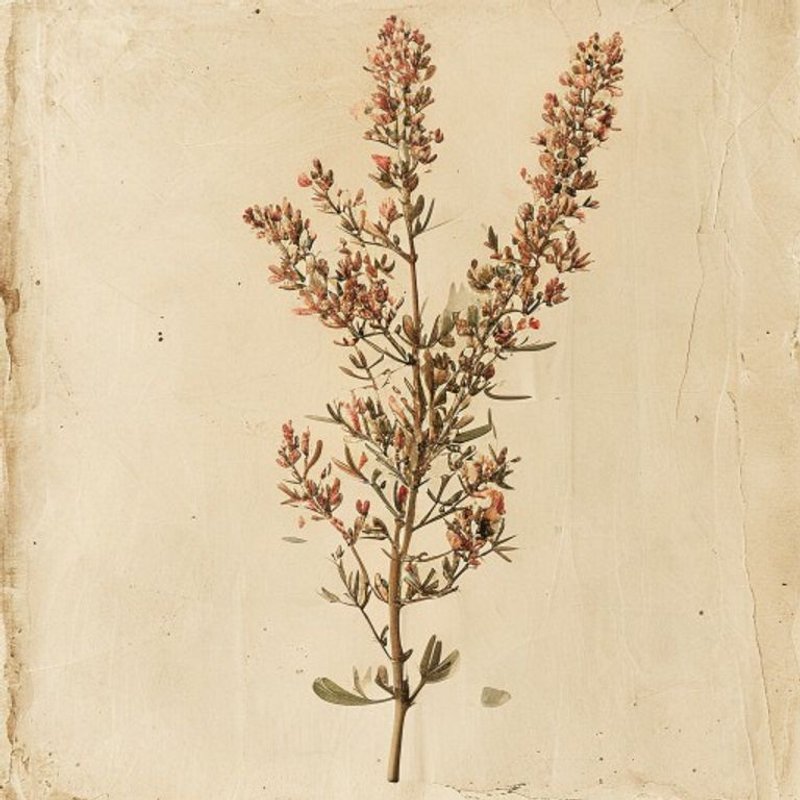
Pyracantha crenato-serrata, commonly known as firethorn, is a deciduous shrub native to Mediterranean and Middle Eastern regions including Albania, Bulgaria, France, Greece, Iran, Italy, Krym, Lebanon-Syria. This plant is valued for its ornamental qualities, featuring thorny branches and bright red berries that add visual interest. It thrives in moist but well-drained soils of light (sandy), medium, or heavy (clay) texture, with a pH range of 5.8 to 8. The shrub can reach heights up to 5 meters and is hardy from zones 6 to 9. The fruit of Pyracantha crenato-serrata is edible and can be eaten fresh or used in various preparations. Typically, the fruits are consumed raw but can also be dried for later use. They may also be made into jams or preserves to enjoy their flavor and nutrients. While its primary appeal lies in its ornamental value and ability to attract wildlife with its berries, the fruit offers a practical culinary use. Pyracantha crenato-serrata thrives in full to partial sunlight with a light requirement of 8/10. It prefers well-draining soils that are light (sandy), medium, or heavy (clay) and has a moisture preference for moist conditions. The plant is hardy in temperate regions from zones 6-9. For propagation, use cuttings or layering methods. Harvest the edible fruit when ripe, ensuring the soil pH ranges between 5.8 to 8 for optimal growth.
What is Pyracantha crenato-serrata?
Pyracantha crenato-serrata, commonly known as firethorn, is a deciduous shrub native to Mediterranean and Middle Eastern regions including Albania, Bulgaria, France, Greece, Iran, Italy, Krym, Lebanon-Syria.
VCultivation
Cultivation
How to grow Pyracantha crenato-serrata for the first time
Start with a simple planting of Pyracantha crenato-serrata to enjoy its vibrant fruits and attractive shrub form.
- 1
What you'll need
A young Pyracantha crenato-serrata plant, garden gloves, and a trowel.
- 2
Best time to plant
Plant in spring or early fall when the weather is cooler.
- 3
Soil and container prep
Ensure soil drains well. Mix compost into the existing soil if needed.
- 4
Sowing or transplanting
Transplant a young plant from a nursery pot to your garden bed, ensuring roots are not damaged.
- 5
First two weeks
Water regularly and keep the soil moist but not waterlogged. Monitor for pests.
- 6
Ongoing care
Water deeply once a week during dry spells. Prune in late winter to maintain shape.
- 7
Harvest or pruning
Prune in late winter to encourage fruiting and remove any dead branches.
- 8
Common mistakes
Overwatering, not providing enough sunlight, neglecting regular pruning, using too much fertilizer, and planting in poorly drained soil.
VIEdible & utility
Edible & utility
VIIDistribution
15 native · 35 introduced
Distribution
15 native · 35 introducedIXSpecimen gallery
1 image
Specimen gallery
1 imageExplore further
About this entry
- Last updated
- Citation
- How to cite this entry · Submit a correction
Continue reading
Get archive updates
Occasional email when substantial new content lands — plant profiles, seasonal growing notes, folk-remedy additions. Free, no tracking, unsubscribe anytime.