
Pyrus balsanae
Pyrus balsanae
Educational content — not medical, botanical, or professional advice. Plant identification, safety, and edibility depend on local conditions, cultivars, and correct identification. Consult a qualified botanist or forager before consuming or handling wild specimens. How we source & review →
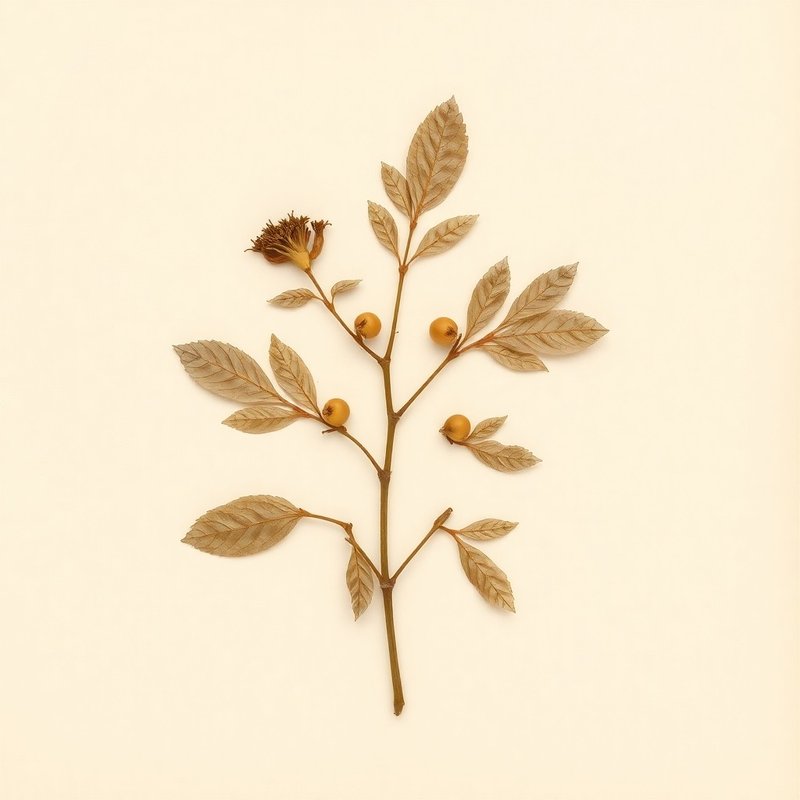
Pl. A2C8 — Pyrus balsanae
Pyrus balsanaePyrus balsanaePyrus balsanaePyrus balsanaePyrus balsanaePyrus balsanaePyrus balsanaePyrus balsanaePyrus balsanaePyrus balsanaePyrus balsanaePyrus balsanaePyrus balsanaePyrus balsanae
IOverview
Overview
Pyrus balsanae, commonly known as Pyrus balsanae, is a deciduous tree native to regions including Albania, Austria, the Baltic States, Belarus, Belgium, Bulgaria, and parts of Central European Rus. This plant is notable for its edible fruit and can thrive in moist soil with a pH ranging from 5.2 to 6.7. It prefers light (sandy), medium, or heavy (clay) soils and can grow up to 15 meters tall. The tree's adaptability to various soil types and its hardiness within zones 5-9 make it a versatile addition to gardens and orchards. Its distinctive feature is its ability to produce fruit in diverse environments across Central Europe.
Quick answers
What is Pyrus balsanae?
Pyrus balsanae, commonly known as Pyrus balsanae, is a deciduous tree native to regions including Albania, Austria, the Baltic States, Belarus, Belgium, Bulgaria, and parts of Central European Rus. This plant is notable for its edible fruit and can thrive in moist soil with a pH ranging from 5.
Growingconditions · propagation · uses
VCultivation
Cultivation
Pyrus balsanae thrives in temperate regions with a hardiness range of 5-9. It prefers light to medium soil and can tolerate heavier clay soils. The tree requires moist conditions but should not be overwatered. Pyrus balsanae needs full sun, with a light requirement of 6/10. For optimal growth, maintain a soil pH between 5.2 and 6.7. Propagate through seeds or grafting. Regular pruning will help manage its height of up to 15 meters.
Light
6/10
Water
Moist
Soil
Light (sandy), Medium, Heavy (clay)
Hardiness
5-9
Habit
Tree
Mature size
15.0 m tall
Soil pH
5.2–6.7
Seasonal calendar
Northern hemisphere · UTC month is September
winterspringsummerautumnwinter
BloomJFMAMJJASOND
For first-time growers
How to grow Pyrus balsanae for the first time
7steps
Start with Pyrus balsanae as a simple, hardy tree for your garden.
- 1
What you'll need
A young Pyrus balsanae sapling and some basic gardening tools like a spade and watering can.
- 2
Best time to plant
Plant in early spring or late autumn when the tree is dormant.
- 3
Soil and container prep
Ensure your soil has a pH between 5.2 and 6.7, which is slightly acidic to neutral. Amend heavy clay soils with sand for better drainage.
- 4
Sowing or transplanting
Transplant the sapling into a well-prepared hole that's twice as wide but not deeper than its root ball.
- 5
First two weeks
Water the tree regularly to keep the soil moist, especially during dry spells. Monitor for any signs of stress or pests.
- 6
Ongoing care
Provide regular watering and mulching around the base to retain moisture and suppress weeds. Prune in late winter to maintain shape and health.
- 7
Harvest or pruning
Prune the tree annually in late winter to encourage fruiting and maintain a healthy structure.
VIEdible & utility
Edible & utility
Edible parts:Fruit
Edible uses: The fruit of Pyrus balsanae is edible and can be eaten raw or cooked. Typically, it is used in various culinary preparations such as jams, jellies, and preserves due to its juicy nature. The fruit can also be dried for later use. Skip the invention of specific recipes; focus on these basic uses.
Contextrange · companions · related
VIIDistribution
30 native · 0 introduced
Distribution
30 native · 0 introducedDistribution across2 continents· 30 native
Europe18 regions
native (18)AlbaniaAustriaBelarusBelgiumBulgariaCyprusFranceGermanyGreeceHungaryItalyNetherlandsPolandRomaniaRussiaSpainSwitzerlandUkraine
Asia2 regions
native (2)IraqTurkey
Broader regions
native:Czechoslovakia, East Aegean Is., Transcaucasus, Turkey-in-Europe
IXSpecimen gallery
1 image
Specimen gallery
1 imageXI
Explore further
Companion planting
Growing zone
XII
About this entry
- Last updated
- Citation
- How to cite this entry · Submit a correction
Back to the cataloguePlant id · a2c859f6-8450-4720-942d-a0c02e329e3f
Decision aid
Choosing between Pyrus balsanae and something else?
Continue reading
❦❦❦❦
Endpaper · archive updates
Get archive updates
Occasional email when substantial new content lands — plant profiles, seasonal growing notes, folk-remedy additions. Free, no tracking, unsubscribe anytime.