
Le Conte Pear
Pyrus x lecontei
Educational content — not medical, botanical, or professional advice. Plant identification, safety, and edibility depend on local conditions, cultivars, and correct identification. Consult a qualified botanist or forager before consuming or handling wild specimens. How we source & review →
Garden journal pausedUse profile notes below
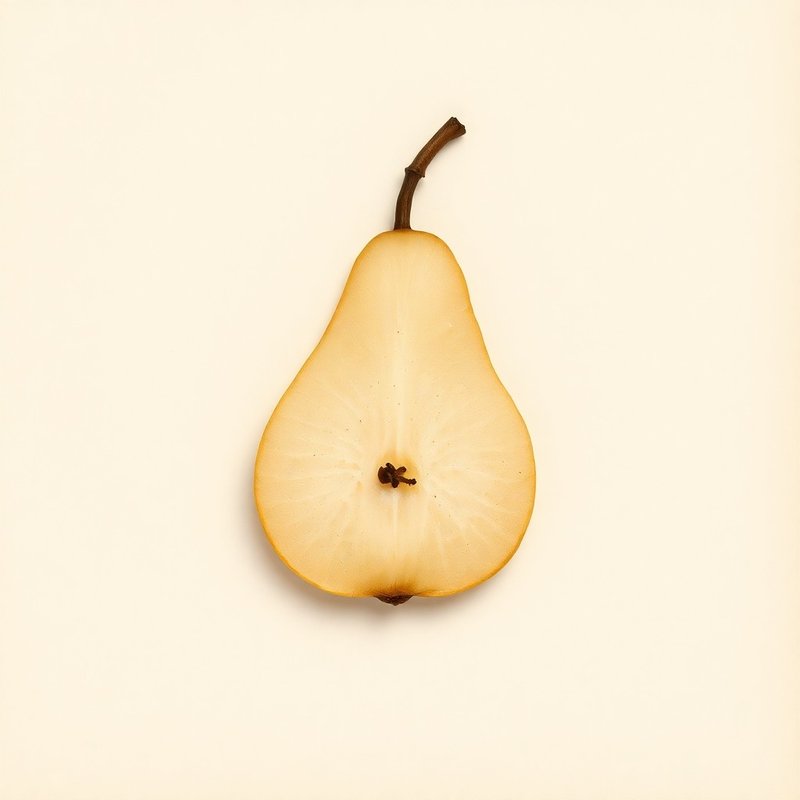
Pl. A1DA — Pyrus x lecontei
Pyrus x leconteiPyrus x leconteiPyrus x leconteiPyrus x leconteiPyrus x leconteiPyrus x leconteiPyrus x leconteiPyrus x leconteiPyrus x leconteiPyrus x leconteiPyrus x leconteiPyrus x leconteiPyrus x leconteiPyrus x lecontei
IOverview
Overview
The Le Conte Pear (Pyrus x lecontei) is a deciduous tree native to Central Europe and the Baltic States. Known for its edible fruit, this pear thrives in moist conditions with light to heavy soil types, showing particular adaptability within a pH range of 5.2 to 6.7. It can grow up to 8 meters tall and is hardy in zones 5-9, making it a versatile choice for gardeners across its native range. The tree's fruit is typically used in pies, preserves, and other desserts due to its sweet flavor, and can also be dried for later use. Le Conte Pear thrives in well-drained soils of light (sandy), medium, and heavy (clay) types with a pH between 5.2 and 6.7. It requires full to partial sunlight, with a light requirement rating of 6/10. The tree is valued not only for its ornamental qualities but also for its fruit, which makes it a useful addition to gardens and orchards across its native range. One distinctive feature of the Le Conte Pear is its ability to flourish in various soil types, making it a versatile choice for gardeners. Regular watering is essential, especially during the growing season, but avoid overwatering to prevent root rot. The tree can grow up to 8 meters tall and blooms in May with white flowers. Its green foliage provides a pleasant contrast throughout the growing season. For propagation, methods such as grafting or layering are recommended. While the fruit of the Le Conte Pear is edible, it should be noted that consumption should be done cautiously without medical advice due to potential individual sensitivities.
Quick answers
What is Le Conte Pear?
The Le Conte Pear (Pyrus x lecontei) is a deciduous tree native to Central Europe and the Baltic States. Known for its edible fruit, this pear thrives in moist conditions with light to heavy soil types, showing particular adaptability within a pH range of 5.
Growingconditions · propagation · uses
VCultivation
Cultivation
Le Conte Pear thrives in moist, well-drained soils of light (sandy), medium, and heavy (clay) types with a pH between 5.2 and 6.7. It requires full to partial sunlight, with a light requirement rating of 6/10. The tree is hardy in zones 5-9 and can grow up to 8 meters tall. For propagation, it's best to use methods such as grafting or layering. Regular watering is essential, especially during the growing season, but avoid overwatering to prevent root rot.
Light
6/10
Water
Moist
Soil
Light (sandy), Medium, Heavy (clay)
Hardiness
5-9
Habit
Tree
Mature size
8.0 m tall
Soil pH
5.2–6.7
Seasonal calendar
Northern hemisphere · UTC month is November
winterspringsummerautumnwinter
BloomJFMAMJJASOND
For first-time growers
How to grow Le Conte Pear for the first time
8steps
Start with a Le Conte Pear tree to experience growing fruit from scratch.
- 1
What you'll need
A young Le Conte Pear tree, garden gloves, and a shovel.
- 2
Best time to plant
Plant in early spring or late fall when the ground is workable but not frozen.
- 3
Soil and container prep
Ensure soil drains well; amend with compost if necessary. For containers, use a pot at least 50 cm wide and deep.
- 4
Sowing or transplanting
Transplant the young tree to your prepared spot, ensuring it's planted at the same depth as in its container.
- 5
First two weeks
Water regularly to keep soil moist but not soggy. Monitor for pests and diseases.
- 6
Ongoing care
Water deeply once a week during dry spells, mulch around the base to retain moisture. Prune in late winter to maintain shape.
- 7
Harvest or pruning
Prune annually in late winter to encourage fruiting and remove dead branches.
- 8
Common mistakes
Planting too deep, not providing enough water, neglecting regular pruning, using the wrong fertilizer, and planting in poor soil conditions.
VIEdible & utility
Edible & utility
Edible parts:Fruit
Edible uses: The Le Conte Pear is edible and its fruit can be eaten raw or cooked. The fruit is typically used in pies, preserves, and other desserts due to its sweet flavor. It can also be dried for later use.
Contextrange · companions · related
VIIDistribution
33 native · 62 introduced
Distribution
33 native · 62 introducedDistribution across3 continents· 33 native· 62 introduced
Europe24 regions
native (18)AlbaniaAustriaBelarusBelgiumBulgariaCyprusFranceGermanyGreeceHungaryItalyNetherlandsPolandRomaniaRussiaSpainSwitzerlandUkraine
introduced (6)DenmarkIrelandPortugalSpainSwedenUnited Kingdom
Asia9 regions
native (2)IraqTurkey
introduced (7)GeorgiaIndiaKazakhstanPakistanSouth KoreaTurkmenistanUzbekistan
Americas1 region
introduced (1)Ecuador
Broader regions
native:Baltic States, Czechoslovakia, East Aegean Is., Transcaucasus, Turkey-in-Europe, Yugoslavia
introduced:Alabama, Arkansas, British Columbia, California, Cape Provinces, Connecticut, Delaware, East Himalaya, Florida, Free State, Idaho, Illinois, Indiana, Iowa, Kansas, Kentucky, Kriti, Louisiana, Maine, Maryland, Michigan, Mississippi, Missouri, Montana, New Hampshire, New Jersey, New Mexico, New York, North Carolina, Nova Scotia, Ohio, Oklahoma, Ontario, Oregon, Pennsylvania, Rhode I., South Australia, South Carolina, Tadzhikistan, Tennessee, Texas, Utah, Vermont, Virginia, Washington, West Himalaya, West Virginia, Wisconsin
IXSpecimen gallery
1 image
Specimen gallery
1 imageXI
Explore further
Companion planting
Growing zone
Native to
XII
About this entry
- Last updated
- Citation
- How to cite this entry · Submit a correction
Back to the cataloguePlant id · a1da99b3-5e20-4070-b9ba-c49e2521748b
Decision aid
Choosing between Le Conte Pear and something else?
Continue reading
❦❦❦❦
Endpaper · archive updates
Get archive updates
Occasional email when substantial new content lands — plant profiles, seasonal growing notes, folk-remedy additions. Free, no tracking, unsubscribe anytime.
Newsletter returning soon.
We are rebuilding the update list around a lightweight editorial workflow. New dispatches will resume after the next content review cycle.