
Encina
Quercus agrifoliafam. Fagaceae
Educational content — not medical, botanical, or professional advice. Always consult a qualified clinician before using any herbal preparation — especially during pregnancy, breastfeeding, while on medication, or for children. How we source & review →
Garden journal pausedUse profile notes below
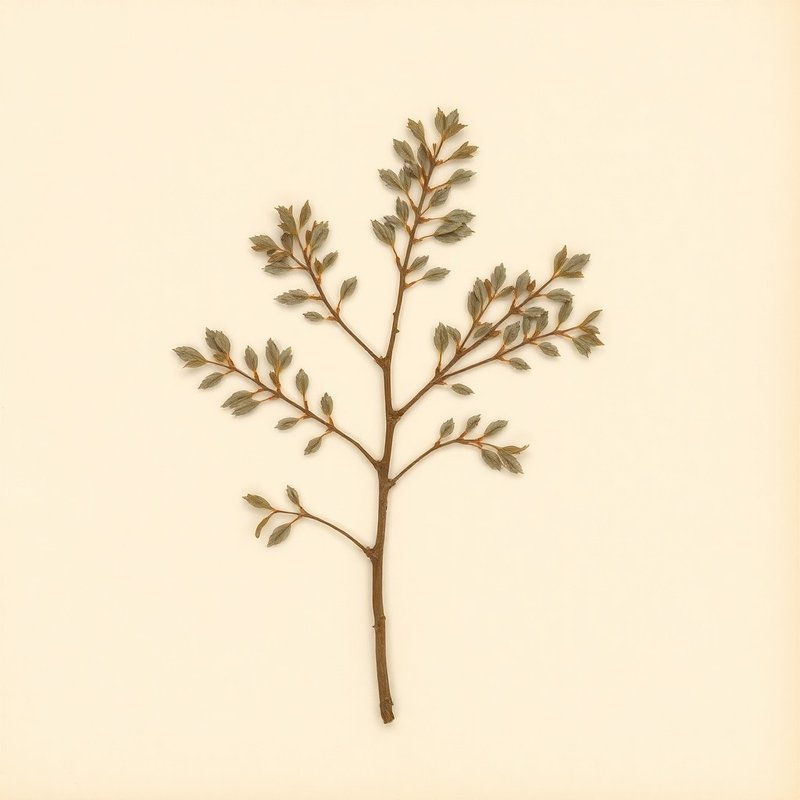
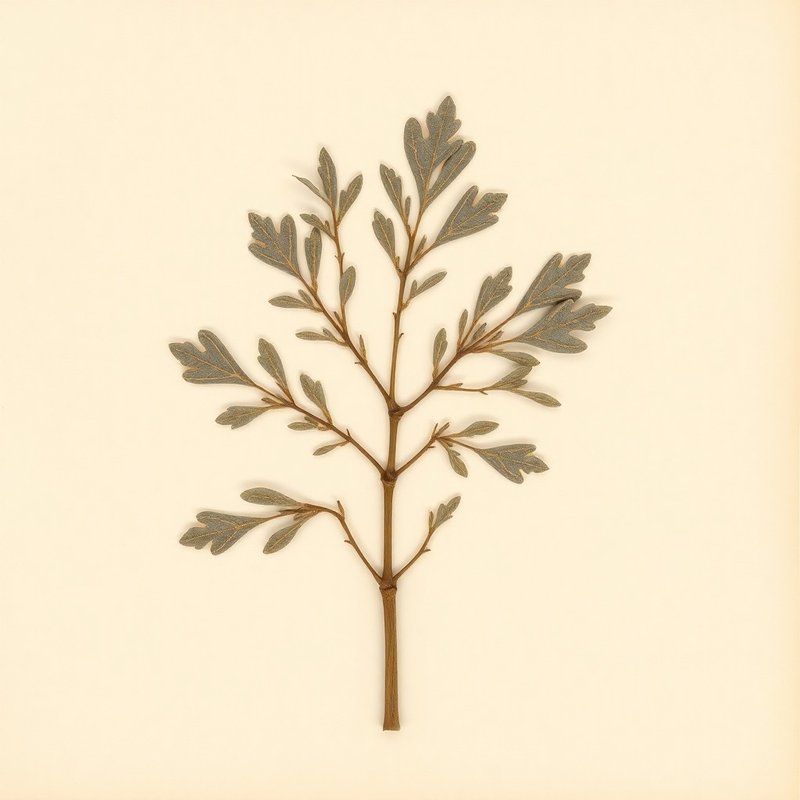
Pl. 5F07 — Quercus agrifolia
Quercus agrifoliaQuercus agrifoliaQuercus agrifoliaQuercus agrifoliaQuercus agrifoliaQuercus agrifoliaQuercus agrifoliaQuercus agrifoliaQuercus agrifoliaQuercus agrifoliaQuercus agrifoliaQuercus agrifoliaQuercus agrifoliaQuercus agrifolia
IOverview
Overview
Encina, scientifically known as Quercus agrifolia, is a tall tree native to California and the northwest region of Mexico. This deciduous tree thrives in full sun to partial shade and prefers moist, medium to heavy (clay) soil, with a pH range of 5.5 to 7.5. It can grow up to 15 meters tall and is known for its slow growth rate. Encina is both edible and medicinal, with its seeds being the primary edible part. The seeds can be roasted or ground into a meal for consumption, though they can also be eaten raw. In traditional medicine, the bark or leaves of the encina tree are used to support immune health, as they have been traditionally used by Native American communities to bolster the body's defenses against common ailments. The encina tree is adaptable to various habitats, making it a versatile addition to gardens and landscapes. Its distinctive features include its ability to grow in both open fields and more shaded areas, making it a valuable resource in diverse environments. Cultivation requires consistent moisture, especially during dry periods, to ensure the plant's health. Given its hardiness in zones 8-11, encina is well-suited to temperate regions but may require protection from extreme cold outside its native range. While the plant is safe for ornamental use, caution should be exercised when handling the bark or leaves for medicinal purposes, as traditional uses should be approached with care.
Quick answers
What is Encina?
Encina, scientifically known as Quercus agrifolia, is a tall tree native to California and the northwest region of Mexico. This deciduous tree thrives in full sun to partial shade and prefers moist, medium to heavy (clay) soil, with a pH range of 5.
What is Encina used for?
Traditionally used for immune support. Each claim is evidence-rated — see Section II for full citations.
Best for
Top 1 evidence-ranked use of Encina
Clinicaluses · safety · chemistry · dosagemedicinal profile
IIBenefits & evidence
1 claim · traditional-use context
Benefits & evidence
1 claim · traditional-use contextTraditional-use context
These notes are presented as ethnobotanical context. No cited clinical references are catalogued for this plant yet.
- Encina, like other oak species, has been traditionally used in Native American medicine to support immune health. A decoction of the bark or leaves may help bolster the body's defenses against common ailments.
Quercetin and other flavonoids found in Encina have anti-inflammatory and antioxidant properties that can modulate immune responses, though the specific mechanisms are not fully characterised.
▲ ModerateImmune support →
Growingconditions · propagation · uses
VCultivation
Cultivation
Encina (Quercus agrifolia) thrives in full to partial sun and prefers moist, medium to heavy clay soils with a pH between 5.5 and 7.5. It is hardy in zones 8-11 and can grow up to 15 meters tall. For propagation, use seeds. Ensure the plant has adequate moisture, especially during dry periods, as it requires consistently moist soil. Given its native range in California and Mexico Northwest, Encina is well-adapted to temperate regions but may need protection from extreme cold outside these zones.
Light
Full sun, Partial sun/shade
Water
Moist
Soil
Medium, Heavy (clay)
Hardiness
8-11
Habit
Tree, Shrub
Mature size
15.0 m tall
Soil pH
5.5–7.5
For first-time growers
How to grow Encina for the first time
7steps
Start with a young Encina tree for the best beginner experience.
- 1
What you'll need
A young Encina sapling, well-draining soil, and a watering can or hose.
- 2
Best time to plant
Plant in spring when temperatures are mild and there's plenty of water available.
- 3
Soil and container prep
Ensure the soil is well-draining with a pH between 5.5 and 7.5, and prepare a large enough planting hole or pot.
- 4
Sowing or transplanting
Transplant the sapling into its permanent spot, ensuring it's at the same depth as in its container.
- 5
First two weeks
Water regularly to keep the soil moist but not waterlogged. Monitor for signs of stress and adjust watering accordingly.
- 6
Ongoing care
Provide full sun or partial shade, regular watering during dry periods, and occasional pruning to maintain shape.
- 7
Harvest or pruning
Prune in late winter to early spring to remove dead branches and promote healthy growth.
VIEdible & utility
Edible & utility
Edible parts:Seed
Edible uses: The encina tree (Quercus agrifolia) is edible, with its seeds being the part used. Typically, the seeds are harvested and prepared by roasting or grinding them into a meal for consumption. They can also be eaten raw but are often processed to enhance their flavor and texture.
Other uses:CraftingFire starterTanninLumber
Contextrange · companions · related
VIIDistribution
2 native · 0 introduced
Distribution
2 native · 0 introducedDistribution across0 continents· 2 native
Broader regions
native:California, Mexico Northwest
IXSpecimen gallery
1 image
Specimen gallery
1 imageXSee also
8 related
See also
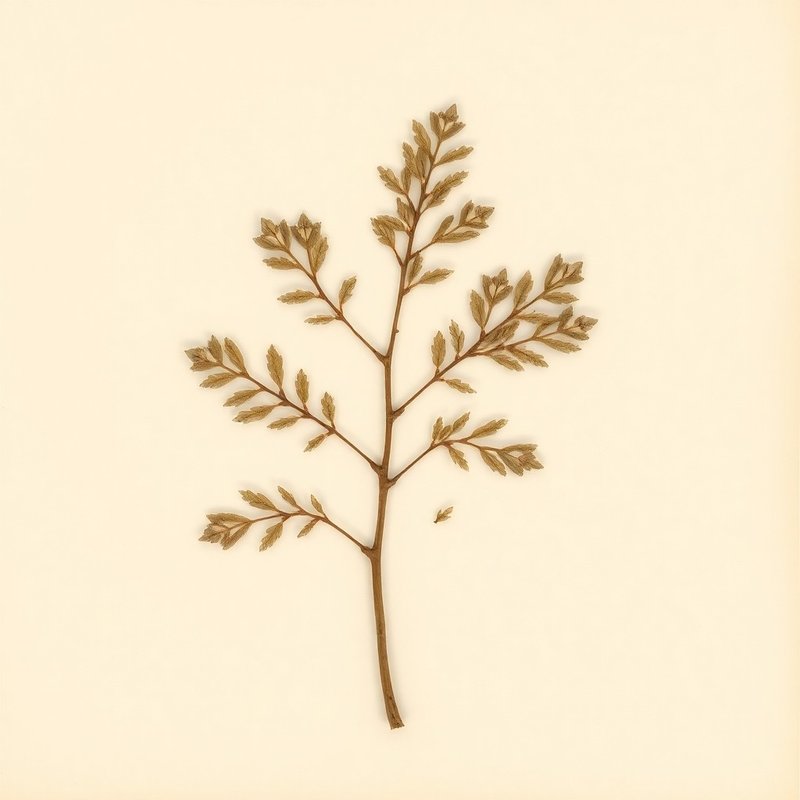
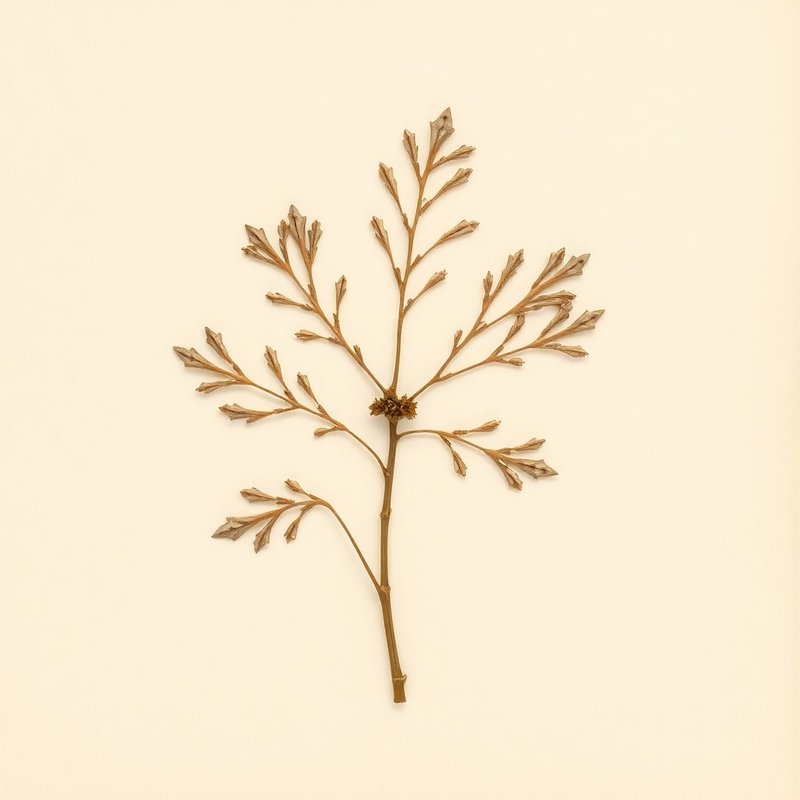
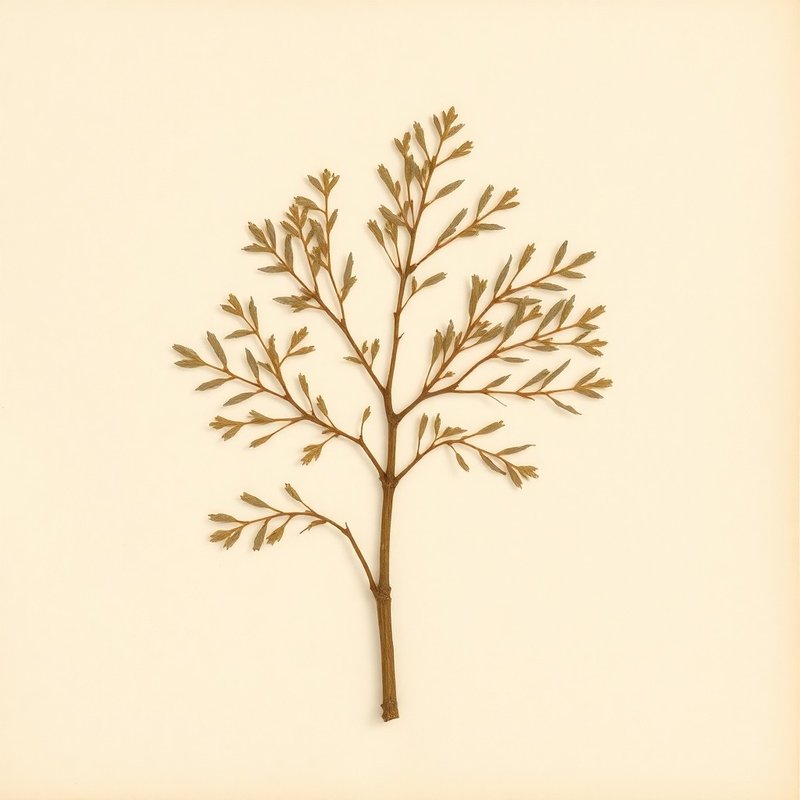
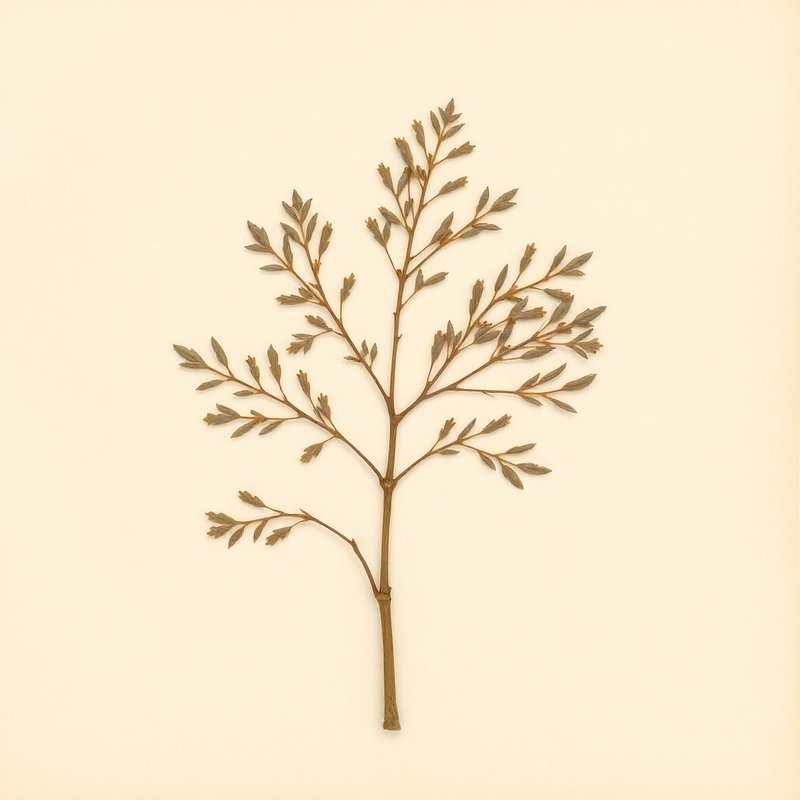
8 relatedPlants you might compare or use together — scored by shared family (Fagaceae), common use cases, and growing requirements.
same family · Fagaceae
Botanical relatives — often share phytochemistry + growing needs.
XI
Explore further
Companion planting
Health goals
Compare with similar plants
Growing zone
Native to
XII
About this entry
- Last updated
- Citation
- How to cite this entry · Submit a correction
Back to the cataloguePlant id · 5f075939-a9f1-4e00-9aec-05af187505f0
Decision aid
Choosing between Encina and something else?
Continue reading
❦❦❦❦
Endpaper · archive updates
Get archive updates
Occasional email when substantial new content lands — plant profiles, seasonal growing notes, folk-remedy additions. Free, no tracking, unsubscribe anytime.
Newsletter returning soon.
We are rebuilding the update list around a lightweight editorial workflow. New dispatches will resume after the next content review cycle.