
Chicalaba
Quercus insignis
Educational content — not medical, botanical, or professional advice. Always consult a qualified clinician before using any herbal preparation — especially during pregnancy, breastfeeding, while on medication, or for children. How we source & review →
Garden journal pausedUse profile notes below
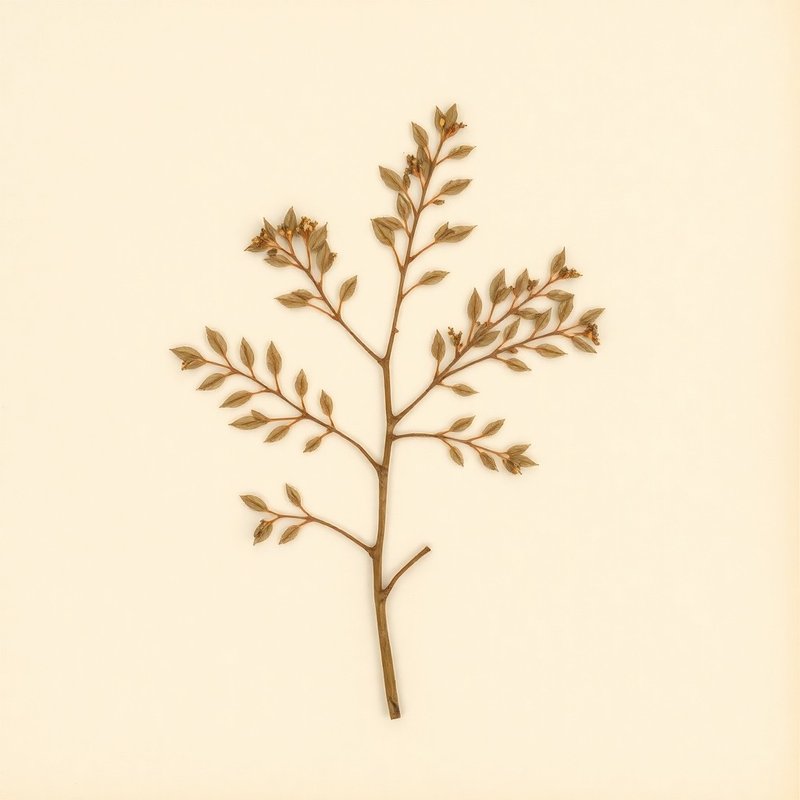
Pl. 3E48 — Quercus insignis
Quercus insignisQuercus insignisQuercus insignisQuercus insignisQuercus insignisQuercus insignisQuercus insignisQuercus insignisQuercus insignisQuercus insignisQuercus insignisQuercus insignisQuercus insignisQuercus insignis
IOverview
Overview
Chicalaba, scientifically known as Quercus insignis, is a large deciduous oak tree native to Central America and southern Mexico, including regions such as Belize, Costa Rica, El Salvador, Guatemala, Honduras, and various parts of Mexico. This tree thrives in moist environments with well-drained to heavy clay soils and requires full sun for optimal growth. Chicalaba can reach heights of 22 meters and is commonly found in its native range. The tree is notable for its edible acorns, which can be consumed raw or cooked, often prepared by roasting to enhance their flavor before eating. The bark and leaves of the Chicalaba tree have been traditionally used in Mesoamerican medicine to support immune health, with a decoction of these parts potentially helping to bolster the body's defenses against common ailments. In its native habitat, Chicalaba plays a significant role as an important resource for local communities, providing a valuable food source through its edible acorns. Its adaptability to different soil types while preferring full sunlight makes it a versatile and resilient tree in its growing context. While Chicalaba is not typically cultivated for medicinal purposes, its bark and leaves have been used in traditional medicine to support immune function. However, it is important to use caution and seek professional guidance when incorporating any plant into a health regimen.
Quick answers
What is Chicalaba?
Chicalaba, scientifically known as Quercus insignis, is a large deciduous oak tree native to Central America and southern Mexico, including regions such as Belize, Costa Rica, El Salvador, Guatemala, Honduras, and various parts of Mexico.
What is Chicalaba used for?
Traditionally used for immune support. Each claim is evidence-rated — see Section II for full citations.
Best for
Top 1 evidence-ranked use of Chicalaba
Clinicaluses · safety · chemistry · dosagemedicinal profile
IIBenefits & evidence
1 claim · traditional-use context
Benefits & evidence
1 claim · traditional-use contextTraditional-use context
These notes are presented as ethnobotanical context. No cited clinical references are catalogued for this plant yet.
- Quercus species, including Chicalaba, have been traditionally used in Mesoamerican medicine to support immune health. A decoction of the bark or leaves may help bolster the body's defenses against common ailments.
The mechanism involves flavonoids such as quercetin which exhibit anti-inflammatory and antioxidant properties that can modulate immune responses.
▲ ModerateImmune support →
Growingconditions · propagation · uses
VCultivation
Cultivation
Chicalaba, or Quercus insignis, thrives in full sun and prefers moist, well-drained soil that can be light (sandy), medium, or heavy (clay). It is hardy in zones 8-11 and can grow up to 22 meters tall. To propagate, use seeds. The bark and leaves can be used to make a decoction that supports immune health, a traditional practice in Mesoamerican medicine.
Light
Full sun
Water
Moist
Soil
Light (sandy), Medium, Heavy (clay)
Hardiness
8-11
Mature size
22.0 m tall
For first-time growers
How to grow Chicalaba for the first time
7steps
Start with planting Chicalaba in a sunny spot and follow these simple steps for success.
- 1
What you'll need
A healthy seed, well-draining soil, and a container or garden space.
- 2
Best time to plant
Plant Chicalaba in spring when the weather is warming up.
- 3
Soil and container prep
Ensure the soil is light (sandy), medium, or heavy with good drainage. For containers, use a mix suitable for trees.
- 4
Sowing or transplanting
Plant seeds directly in the ground or start them indoors 6-8 weeks before outdoor planting.
- 5
First two weeks
Keep the soil moist and provide light shade if necessary. Monitor for pests and diseases.
- 6
Ongoing care
Water regularly, especially during dry spells, and mulch to retain moisture. Fertilize sparingly with organic matter.
- 7
Harvest or pruning
Prune young trees to shape them and remove dead branches as needed. Harvest acorns when ripe in fall.
VIEdible & utility
Edible & utility
Edible parts:Seed
Edible uses: The chicalaba tree's seed is edible and can be consumed raw or cooked. It is often prepared by roasting to enhance its flavor before eating.
Other uses:Animal feed
Contextrange · companions · related
VIIDistribution
10 native · 0 introduced
Distribution
10 native · 0 introducedDistribution across1 continent· 10 native
Americas5 regions
native (5)BelizeCosta RicaEl SalvadorGuatemalaHonduras
Broader regions
native:Mexico Central, Mexico Gulf, Mexico Southeast, Mexico Southwest, Panamá
IXSpecimen gallery
1 image
Specimen gallery
1 imageXSee also
8 related
See also
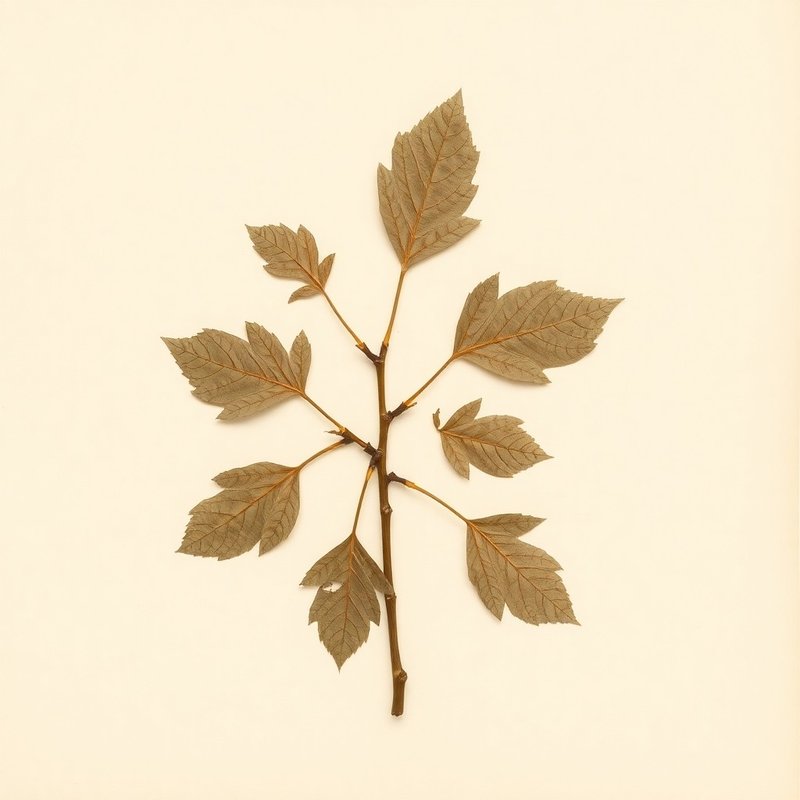
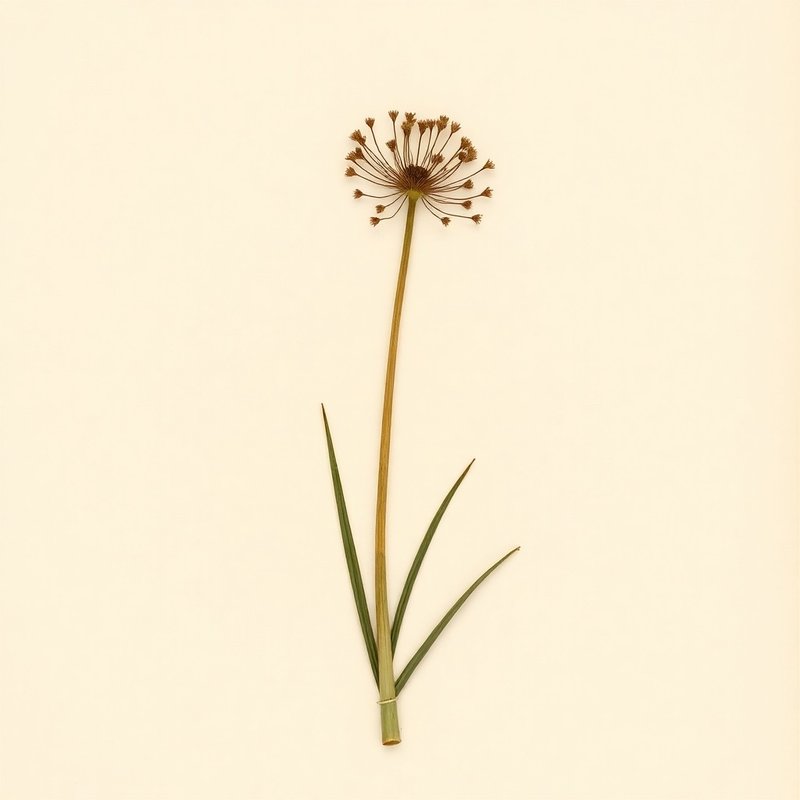
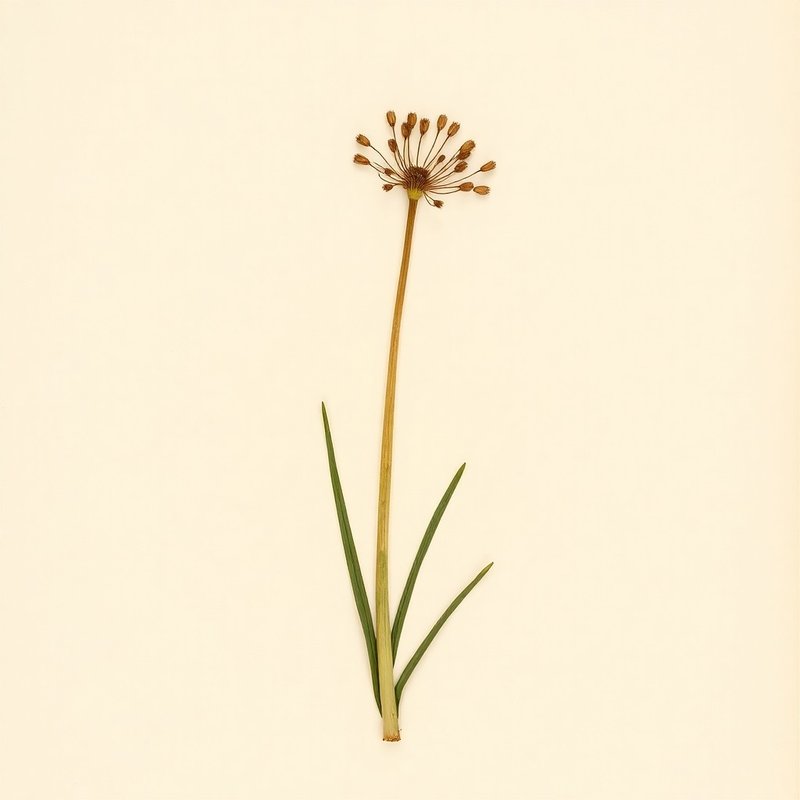
8 relatedPlants you might compare or use together — scored by shared family, common use cases, and growing requirements.
shared use cases
Different families, similar therapeutic role — good for comparing.


XI
Explore further
Companion planting
Health goals
Compare with similar plants
Growing zone
Native to
XII
About this entry
- Last updated
- Citation
- How to cite this entry · Submit a correction
Back to the cataloguePlant id · 3e480d7a-c8ab-42df-befd-a0e2bc94904a
Decision aid
Choosing between Chicalaba and something else?
Continue reading
❦❦❦❦
Endpaper · archive updates
Get archive updates
Occasional email when substantial new content lands — plant profiles, seasonal growing notes, folk-remedy additions. Free, no tracking, unsubscribe anytime.
Newsletter returning soon.
We are rebuilding the update list around a lightweight editorial workflow. New dispatches will resume after the next content review cycle.