
Fodder Radish
Raphanus sativus oleiformis
Educational content — not medical, botanical, or professional advice. Plant identification, safety, and edibility depend on local conditions, cultivars, and correct identification. Consult a qualified botanist or forager before consuming or handling wild specimens. How we source & review →
Garden journal pausedUse profile notes below
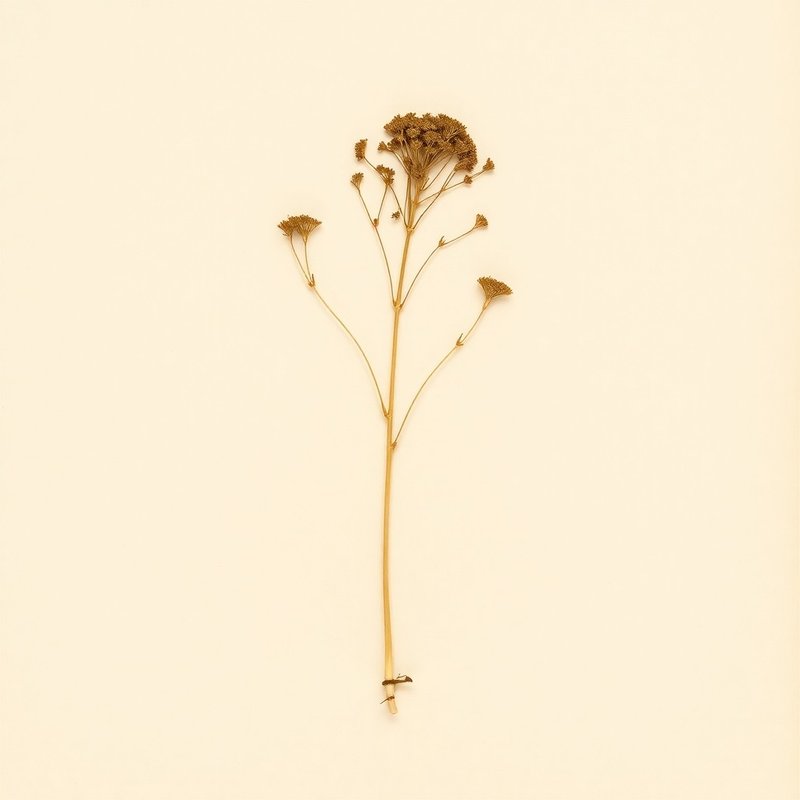
Pl. BA52 — Raphanus sativus oleiformis
Raphanus sativus oleiformisRaphanus sativus oleiformisRaphanus sativus oleiformisRaphanus sativus oleiformisRaphanus sativus oleiformisRaphanus sativus oleiformisRaphanus sativus oleiformisRaphanus sativus oleiformisRaphanus sativus oleiformisRaphanus sativus oleiformisRaphanus sativus oleiformisRaphanus sativus oleiformisRaphanus sativus oleiformisRaphanus sativus oleiformis
IOverview
Overview
Fodder Radish (Raphanus sativus oleiformis) is an annual plant belonging to the Brassicaceae family, commonly found in regions such as Greece, Italy, Sicilia, and Yugoslavia. This versatile plant features edible parts including flowers, leaves, roots, seeds, and seedpods, making it valuable for culinary applications. Fodder Radish thrives in soils that are light (sandy), medium, or heavy (clay) with a pH between 7.5 and 8, and prefers moist conditions. It grows to about 0.5 meters tall and requires moderate sunlight, rated at 7/10 for its light requirements. In cultivation, Fodder Radish is known for its utility as animal feed and for producing oil. Its fast growth habit makes it a reliable choice for farmers and gardeners alike. The plant's adaptability to various soil types and its ability to grow in temperate regions make it a practical addition to gardens or agricultural settings. Harvesting can be done throughout the growing season, utilizing all parts of the plant for different purposes. While Fodder Radish is not traditionally used medicinally, its edible and oil-producing properties are significant. Gardeners should handle the plant with care, especially when dealing with the leaves and roots, as members of the Brassicaceae family can sometimes cause skin irritation or allergic reactions in sensitive individuals.
Quick answers
What is Fodder Radish?
Fodder Radish (Raphanus sativus oleiformis) is an annual plant belonging to the Brassicaceae family, commonly found in regions such as Greece, Italy, Sicilia, and Yugoslavia. This versatile plant features edible parts including flowers, leaves, roots, seeds, and seedpods, making it valuable for culinary applications.
Growingconditions · propagation · uses
VCultivation
Cultivation
Fodder Radish (Raphanus sativus oleiformis) thrives in light to moderate sunlight and prefers well-draining soils that are light (sandy), medium, or heavy (clay). It requires moist conditions but can tolerate a soil pH between 7.5 and 8. The plant is hardy in temperate regions and grows to about 0.5 meters tall. For cultivation, ensure the soil is rich and well-aerated, as it has an annual life cycle. Harvest edible parts including flowers, leaves, roots, seeds, and seedpods for use in various applications.
Light
7/10
Water
Moist
Soil
Light (sandy), Medium, Heavy (clay)
Life cycle
Annual
Habit
Forb/herb
Mature size
0.5 m tall
Soil pH
7.5–8
For first-time growers
How to grow Fodder Radish for the first time
8steps
Start with Fodder Radish to gain experience in growing root vegetables.
- 1
What you'll need
Seeds, a garden plot or large container, soil, water.
- 2
Best time to plant
Plant in spring after the last frost or in late summer for fall harvest.
- 3
Soil and container prep
Use well-draining soil with a pH of 7.5–8. Ensure containers are at least 30 cm deep.
- 4
Sowing or transplanting
Direct sow seeds 1-2 cm deep, spacing them about 5 cm apart in rows 30 cm apart.
- 5
First two weeks
Keep soil consistently moist. Thin seedlings to 10 cm apart once they have several leaves.
- 6
Ongoing care
Water regularly, especially during dry spells. Monitor for pests and diseases.
- 7
Harvest or pruning
Harvest roots when they reach about 2-3 cm in diameter. Pick leaves as needed throughout the growing season.
- 8
Common mistakes
Overcrowding, not thinning seedlings, watering too much or too little, planting at wrong time.
VIEdible & utility
Edible & utility
Edible parts:FlowersLeavesRootSeedSeedpod
Edible uses: Oil
Other uses:Animal feedoil
Contextrange · companions · related
VIIDistribution
4 native · 174 introduced
Distribution
4 native · 174 introducedDistribution across5 continents· 4 native· 174 introduced
Europe13 regions
native (2)GreeceItaly
introduced (11)BelarusBelgiumBulgariaCyprusFranceItalyPortugalRussiaSpainSwitzerlandUkraine
Asia19 regions
introduced (19)BangladeshChinaGeorgiaIndiaIraqKazakhstanKuwaitNepalOmanPakistanPalestineSaudi ArabiaSouth KoreaSri LankaTurkeyTurkmenistanUzbekistanVietnamYemen
Americas13 regions
introduced (13)BoliviaColombiaCosta RicaCubaDominican RepublicEcuadorEl SalvadorGuatemalaHaitiParaguayPuerto RicoUnited StatesUruguay
Africa14 regions
introduced (14)AlgeriaAngolaEgyptEritreaEthiopiaKenyaLibyaMauritaniaMoroccoRwandaSudanTanzaniaTunisiaZimbabwe
Oceania2 regions
introduced (2)FijiNew Caledonia
Broader regions
native:Yugoslavia
introduced:Alabama, Altay, Andaman Is., Argentina Northeast, Argentina Northwest, Argentina South, Arizona, Arkansas, Baltic States, Bermuda, Brazil South, Brazil Southeast, British Columbia, California, Caroline Is., Chile Central, Chile North, Chile South, Colorado, Connecticut, Delaware, District of Columbia, East Aegean Is., East Himalaya, Florida, Galápagos, Gilbert Is., Gulf of Guinea Is., Gulf States, Hainan, Idaho, Illinois, Indiana, Iowa, Jawa, Kansas, Kazan-retto, Kriti, Labrador, Lebanon-Syria, Leeward Is., Louisiana, Maine, Manitoba, Marianas, Marshall Is., Maryland, Masachusettes, Mexican Pacific Is., Mexico Northwest, Michigan, Minnesota, Mississippi, Missouri, Montana, Nebraska, Nevada, New Brunswick, New Hampshire, New Jersey, New Mexico, New South Wales, New York, Newfoundland, Nicobar Is., North Carolina, North Dakota, Northern Provinces, Nova Scotia, Ohio, Oklahoma, Ontario, Oregon, Pennsylvania, Primorye, Prince Edward I., Québec, Queensland, Rhode I., Saskatchewan, South Australia, South Carolina, South Dakota, Sumatera, Tadzhikistan, Tasmania, Texas, Turkey-in-Europe, Utah, Victoria, Virginia, Wake I., Washington, West Himalaya, West Virginia, Western Australia, Windward Is., Wisconsin, Wyoming
IXSpecimen gallery
1 image
Specimen gallery
1 imageXI
Explore further
Companion planting
XII
About this entry
- Last updated
- Citation
- How to cite this entry · Submit a correction
Back to the cataloguePlant id · ba522d6e-a47e-42c4-9bd1-ef9bf41a8bb1
Decision aid
Choosing between Fodder Radish and something else?
Continue reading
❦❦❦❦
Endpaper · archive updates
Get archive updates
Occasional email when substantial new content lands — plant profiles, seasonal growing notes, folk-remedy additions. Free, no tracking, unsubscribe anytime.
Newsletter returning soon.
We are rebuilding the update list around a lightweight editorial workflow. New dispatches will resume after the next content review cycle.