
Spiny Saltbush
IOverview
Overview
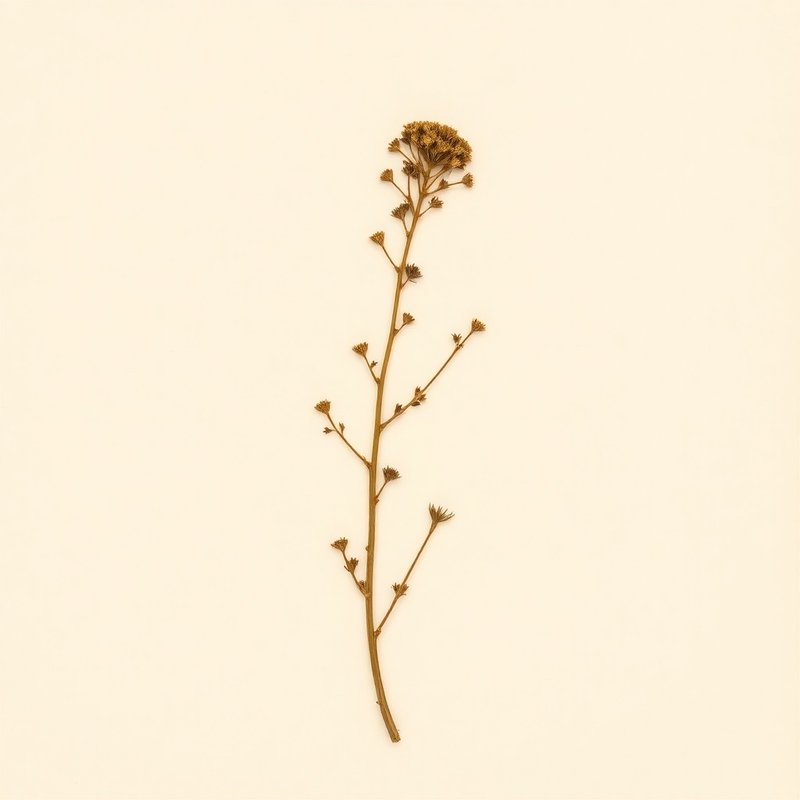
Spiny Saltbush (Rhagodia spinescens) is a small shrub native to the arid and semi-arid regions of Australia, including New South Wales, Northern Territory, Queensland, South Australia, Victoria, and Western Australia. This plant thrives in full sun with moist to well-drained soil that can be light (sandy), medium, or heavy (clay). It is hardy in zones 8-11 and grows to a height of about 0.5 meters. Known for its edible fruit and leaves, Spiny Saltbush plays an important role in the local ecosystem as well as providing sustenance to humans and wildlife alike. One distinctive feature of this plant is its spines, which provide protection against herbivores. The leaves are typically gathered fresh and used raw in salads or cooked as a vegetable, while the fruits may also be eaten fresh or dried for later use. While not medicinal, Spiny Saltbush offers practical benefits for those seeking edible plants in arid environments. Its spines and ability to grow in a variety of soil types make it a valuable addition to gardens and landscapes in suitable climates.
What is Spiny Saltbush?
Spiny Saltbush (Rhagodia spinescens) is a small shrub native to the arid and semi-arid regions of Australia, including New South Wales, Northern Territory, Queensland, South Australia, Victoria, and Western Australia.
VCultivation
Cultivation
How to grow Spiny Saltbush for the first time
Start with a simple, sunny spot and basic soil preparation for your Spiny Saltbush.
- 1
What you'll need
Seeds or small plants, potting mix, watering can.
- 2
Best time to plant
Plant in spring when the weather starts warming up.
- 3
Soil and container prep
Use a well-draining soil mix suitable for outdoor planting. Ensure containers have drainage holes.
- 4
Sowing or transplanting
Direct sow seeds into the ground or start them in small pots before transplanting to their final spot.
- 5
First two weeks
Water regularly, keeping the soil moist but not waterlogged. Place in a sunny location.
- 6
Ongoing care
Provide full sun and regular watering during dry spells. Prune lightly if needed for shape.
- 7
Harvest or pruning
Prune sparingly to maintain the plant's shape, focusing on removing any dead or damaged parts.
- 8
Common mistakes
Overwatering, planting in heavy soil, not providing enough sunlight, neglecting regular pruning.
VIEdible & utility
Edible & utility
VIIDistribution
6 native · 0 introduced
Distribution
6 native · 0 introducedIXSpecimen gallery
1 image
Specimen gallery
1 imageExplore further
About this entry
- Last updated
- Citation
- How to cite this entry · Submit a correction
Continue reading
Get archive updates
Occasional email when substantial new content lands — plant profiles, seasonal growing notes, folk-remedy additions. Free, no tracking, unsubscribe anytime.