
Skip to content
IIIFolio · plant profile№ 898Dmedicinal · edible
Data provenancePermapeopleTrefleWikipediaPFAFPOWOeditorially reviewedreviewed 21 Oct 2026methodology → read

Queen's Crown

Rhodiola rhodantha
Educational content — not medical, botanical, or professional advice. Always consult a qualified clinician before using any herbal preparation — especially during pregnancy, breastfeeding, while on medication, or for children. How we source & review →
medicinaledibleperennialedibleedible leafmedicinalnative amperennial
Updated·Quick Q&A →
Garden journal pausedUse profile notes below
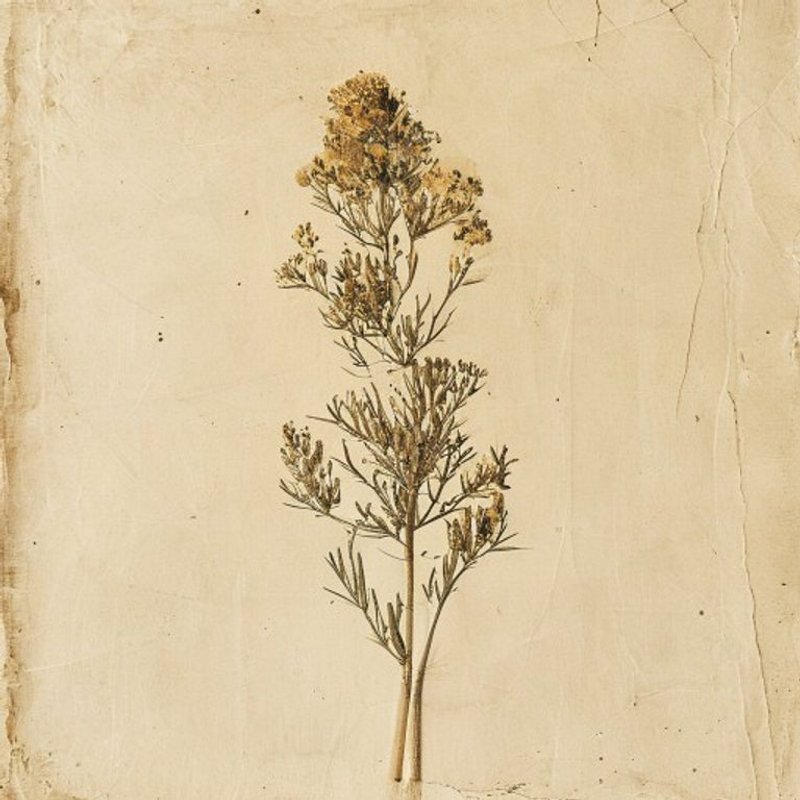
Rhodiola rhodantha (Queen's Crown) — botanical photograph
Pl. 898D — Rhodiola rhodantha
Rhodiola rhodanthaRhodiola rhodanthaRhodiola rhodanthaRhodiola rhodanthaRhodiola rhodanthaRhodiola rhodanthaRhodiola rhodanthaRhodiola rhodanthaRhodiola rhodanthaRhodiola rhodanthaRhodiola rhodanthaRhodiola rhodanthaRhodiola rhodanthaRhodiola rhodantha
I

Overview

Queen's Crown (Rhodiola rhodantha) is a perennial herb native to the mountainous regions of Arizona, Colorado, Montana, New Mexico, Utah, and Wyoming. This plant thrives in full sun and can tolerate both dry and moist conditions, making it adaptable to various soil types, including light (sandy), medium, and heavy (clay). Known for its edible leaves, Queen's Crown can be consumed raw or cooked, typically used fresh in salads or lightly steamed as a green vegetable. Its distinctive feature is its ability to grow up to 0.4 meters tall, contributing to its ornamental appeal in botanical gardens and landscapes. Queen's Crown is a valuable addition to gardens and landscapes, offering both ornamental and culinary benefits. While its medicinal uses are documented, specific benefits or compounds are not detailed here. Caution should be exercised when considering its medicinal application, as no recommended dosages or safety claims are provided. This plant is hardy in temperate regions from zones 4 to 8, making it a suitable choice for gardeners in these areas.

Quick answers

What is Queen's Crown?

Queen's Crown (Rhodiola rhodantha) is a perennial herb native to the mountainous regions of Arizona, Colorado, Montana, New Mexico, Utah, and Wyoming.

IV·b

Mixology suggestions

2 drafts
Editorial drafts. These pairings are AI-suggested from traditional herbal lore. Always verify with a qualified herbalist before brewing.
Stress Relief
stress
tincture
Used traditionally to alleviate stress and fatigue.
Immune Boost
immune
decoction
Historically used to support the immune system.
Growingconditions · propagation · uses
V

Cultivation

Queen's Crown thrives in full sun and prefers well-draining soil that can be light (sandy), medium, or heavy (clay). It is drought-tolerant but can also grow in moist conditions. This perennial, hardy in zones 4-8, reaches a height of about 0.4 meters and is best propagated through division or seed. For best results, ensure the soil is not overly wet, as it can lead to root rot. Regular watering is not necessary, but the plant will benefit from occasional moisture during dry spells.
Light
Full sun
Water
Dry, Moist
Soil
Light (sandy), Medium, Heavy (clay)
Hardiness
4-8
Life cycle
Perennial
Habit
Forb/herb
Mature size
0.4 m tall
For first-time growers

How to grow Queen's Crown for the first time

8steps

Start with simple soil and light conditions for a successful Queen's Crown planting.

  1. 1

    What you'll need

    A small shovel, seeds or young plants, a container if needed.

  2. 2

    Best time to plant

    Plant in spring after the last frost or fall before the first freeze.

  3. 3

    Soil and container prep

    Use well-draining soil with a mix of light (sandy), medium, or heavy clay. Ensure containers have drainage holes.

  4. 4

    Sowing or transplanting

    Direct sow seeds in the ground or start young plants indoors before transplanting to the garden.

  5. 5

    First two weeks

    Water sparingly but ensure soil is moist, and keep the area free from weeds.

  6. 6

    Ongoing care

    Provide full sun exposure. Water only when dry, as it prefers a dry environment. Mulch to retain moisture and suppress weeds.

  7. 7

    Harvest or pruning

    Prune dead leaves in early spring to encourage new growth and maintain plant health.

  8. 8

    Common mistakes

    Overwatering, planting in overly wet soil, neglecting to provide full sun.

VI

Edible & utility

Edible parts:Leaves
Edible uses: The leaves of Queen's Crown (Rhodiola rhodantha) are edible and can be consumed raw or cooked. Typically, they are used fresh in salads or lightly steamed as a green vegetable. Skip the detailed preparation methods since only basic uses were provided.
Contextrange · companions · related
VII

Distribution

6 native · 0 introduced
Distribution across0 continents· 6 native
Broader regions
native:Arizona, Colorado, Montana, New Mexico, Utah, Wyoming
IX

Specimen gallery

1 image
Rhodiola rhodantha (Queen's Crown) — botanical photograph
Queen's Crown (Rhodiola rhodantha)
XI

Explore further

XII

About this entry

Last updated
Citation
How to cite this entry · Submit a correction
Back to the cataloguePlant id · 898d1379-a950-4a3b-bfaa-a1cc766a55e0
Decision aid
Choosing between Queen's Crown and something else?
Compare with another plant

Continue reading

❦❦❦❦
Endpaper · archive updates

Get archive updates

Occasional email when substantial new content lands — plant profiles, seasonal growing notes, folk-remedy additions. Free, no tracking, unsubscribe anytime.

Newsletter returning soon.
We are rebuilding the update list around a lightweight editorial workflow. New dispatches will resume after the next content review cycle.
iCare notes