
Rhus ambigua
IOverview
Overview
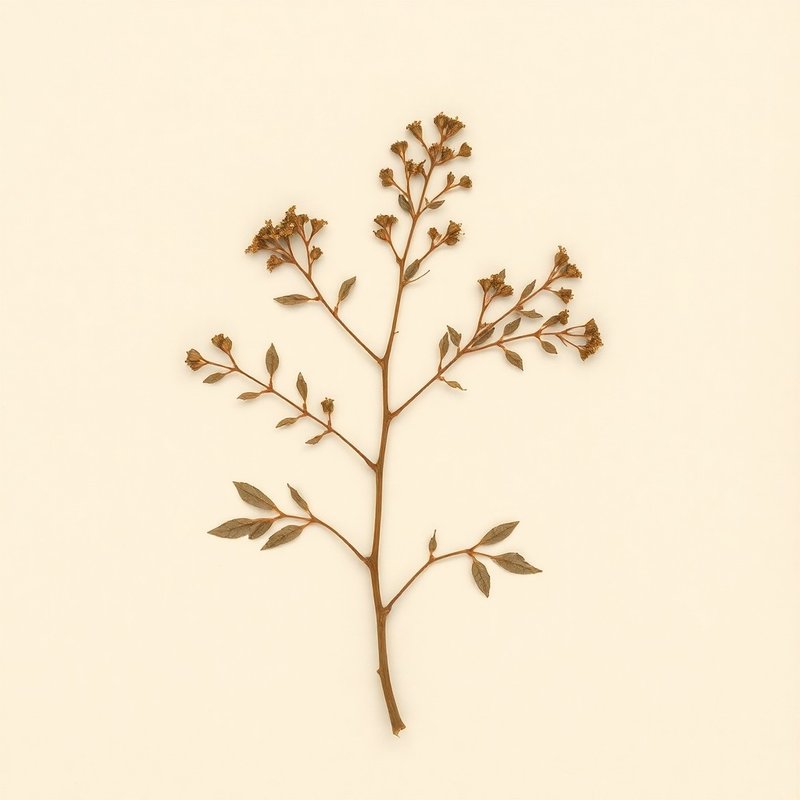
Rhus ambigua, commonly known as Japanese sumac or katsura sumac, is a deciduous shrub native to Japan, Korea, the Kuril Islands, and Sakhalin. This plant thrives in full sun to partial shade and prefers moist soil that can be light (sandy), medium, or heavy (clay). Hardy from zones 6-9, it is valued for its ornamental qualities, featuring small clusters of greenish-white flowers followed by bright red berries. Its distinctive feature includes the attractive, lobed leaves that turn vibrant shades of orange and red in autumn, making it a popular choice for gardens seeking colorful foliage.
What is Rhus ambigua?
Rhus ambigua, commonly known as Japanese sumac or katsura sumac, is a deciduous shrub native to Japan, Korea, the Kuril Islands, and Sakhalin. This plant thrives in full sun to partial shade and prefers moist soil that can be light (sandy), medium, or heavy (clay).
VCultivation
Cultivation
How to grow Rhus ambigua for the first time
Start with Rhus ambigua by planting it in a sunny spot and providing basic care.
- 1
What you'll need
Seeds or small plants, potting soil, garden tools.
- 2
Best time to plant
Plant in spring after the last frost or fall before the first freeze.
- 3
Soil and container prep
Use well-draining soil with a mix of light (sandy), medium, and heavy (clay) textures.
- 4
Sowing or transplanting
Direct sow seeds in the ground or start them indoors 6-8 weeks before planting outside.
- 5
First two weeks
Water regularly to keep soil moist but not waterlogged. Monitor for pests and diseases.
- 6
Ongoing care
Provide full sun to partial shade, regular watering, and occasional pruning for shape.
- 7
Harvest or pruning
Prune in late winter to early spring to maintain the plant's size and shape.
- 8
Common mistakes
Overwatering, planting in poorly drained soil, neglecting winter protection in colder zones.
VIEdible & utility
Edible & utility
VIIDistribution
4 native · 1 introduced
Distribution
4 native · 1 introducedIXSpecimen gallery
1 image
Specimen gallery
1 imageExplore further
About this entry
- Last updated
- Citation
- How to cite this entry · Submit a correction
Continue reading
Get archive updates
Occasional email when substantial new content lands — plant profiles, seasonal growing notes, folk-remedy additions. Free, no tracking, unsubscribe anytime.