
Lundy Cabbage
Rhynchosinapis wrightii
Educational content — not medical, botanical, or professional advice. Plant identification, safety, and edibility depend on local conditions, cultivars, and correct identification. Consult a qualified botanist or forager before consuming or handling wild specimens. How we source & review →
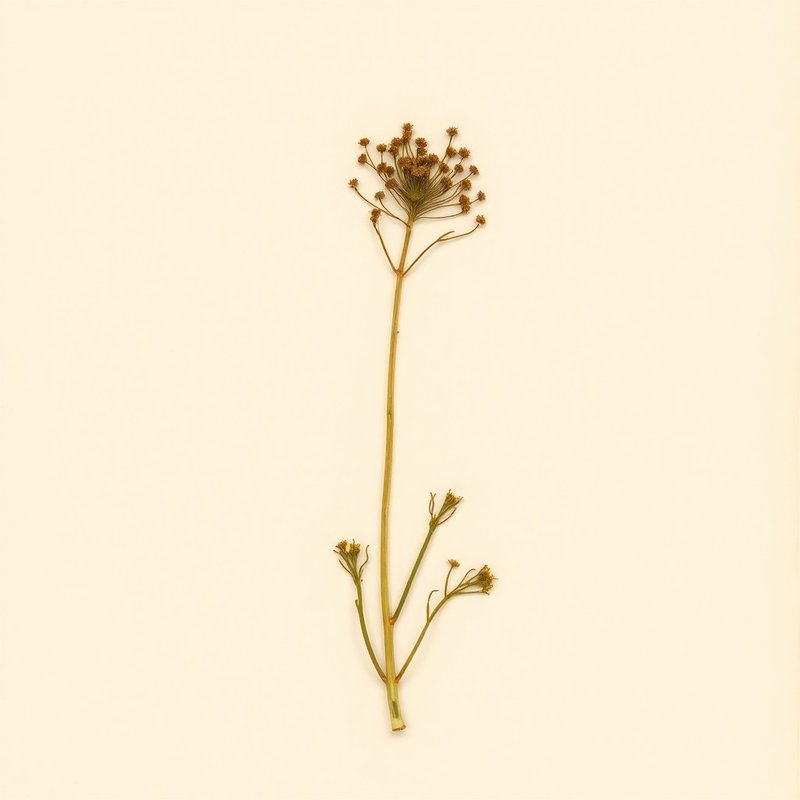
Pl. 76BD — Rhynchosinapis wrightii
Rhynchosinapis wrightiiRhynchosinapis wrightiiRhynchosinapis wrightiiRhynchosinapis wrightiiRhynchosinapis wrightiiRhynchosinapis wrightiiRhynchosinapis wrightiiRhynchosinapis wrightiiRhynchosinapis wrightiiRhynchosinapis wrightiiRhynchosinapis wrightiiRhynchosinapis wrightiiRhynchosinapis wrightiiRhynchosinapis wrightii
IOverview
Overview
Lundy Cabbage, scientifically known as Rhynchosinapis wrightii, is a perennial plant native to Great Britain. This hardy species thrives in full sun to partial shade and prefers moist soil that can be light (sandy), medium, or heavy (clay). It grows up to 1 meter tall and is known for its edible flowers and leaves. While primarily found in the wild habitats of Great Britain, Lundy Cabbage has gained recognition for its culinary uses, making it a valuable addition to gardens where it can be grown as an ornamental plant with distinctive features that set it apart from other cabbage varieties.
Quick answers
What is Lundy Cabbage?
Lundy Cabbage, scientifically known as Rhynchosinapis wrightii, is a perennial plant native to Great Britain. This hardy species thrives in full sun to partial shade and prefers moist soil that can be light (sandy), medium, or heavy (clay).
Growingconditions · propagation · uses
VCultivation
Cultivation
Lundy Cabbage thrives in full to partial sun and requires moist soil that can be light (sandy), medium, or heavy (clay). It is hardy in zones 6-9 and grows up to 1 meter tall as a perennial. For optimal growth, ensure the soil remains consistently moist while providing ample sunlight. Propagate via seeds or division of established plants. Harvest edible parts such as flowers and leaves throughout the growing season.
Light
Full sun, Partial sun/shade
Water
Moist
Soil
Light (sandy), Medium, Heavy (clay)
Hardiness
6-9
Life cycle
Perennial
Mature size
1.0 m tall
For first-time growers
How to grow Lundy Cabbage for the first time
7steps
Start with Lundy Cabbage to gain experience in growing perennials.
- 1
What you'll need
Seeds or young plants, a garden fork, compost.
- 2
Best time to plant
Plant in spring after the last frost or in autumn before the first freeze.
- 3
Soil and container prep
Ensure soil is well-draining with a pH between 6.0 and 7.5; prepare containers at least 30 cm deep.
- 4
Sowing or transplanting
Direct sow seeds 1-2 cm deep, spaced 30-45 cm apart; for transplants, use young plants from a nursery.
- 5
First two weeks
Water regularly to keep soil moist but not waterlogged; mulch around the base to retain moisture.
- 6
Ongoing care
Provide full sun or partial shade; water when the top inch of soil feels dry; fertilize with a balanced organic fertilizer in early spring.
- 7
Harvest or pruning
Prune dead leaves and flowers to encourage new growth; harvest leaves as needed, leaving some for the plant's health.
VIEdible & utility
Edible & utility
Edible parts:FlowersLeaves
Edible uses: The Lundy Cabbage can be eaten in various forms. Its leaves and flowers are typically harvested and used fresh or cooked. They can also be dried for later use. Skip preparation methods involving cooking or drying beyond these basic uses.
Contextrange · companions · related
VIIDistribution
1 native · 0 introduced
Distribution
1 native · 0 introducedDistribution across1 continent· 1 native
Europe1 region
native (1)United Kingdom
IXSpecimen gallery
1 image
Specimen gallery
1 imageXI
Explore further
Companion planting
Growing zone
XII
About this entry
- Last updated
- Citation
- How to cite this entry · Submit a correction
Back to the cataloguePlant id · 76bda214-f363-4019-ad00-58c27cadc9ef
Decision aid
Choosing between Lundy Cabbage and something else?
Continue reading
❦❦❦❦
Endpaper · archive updates
Get archive updates
Occasional email when substantial new content lands — plant profiles, seasonal growing notes, folk-remedy additions. Free, no tracking, unsubscribe anytime.