
White-Flowered Currant
IOverview
Overview
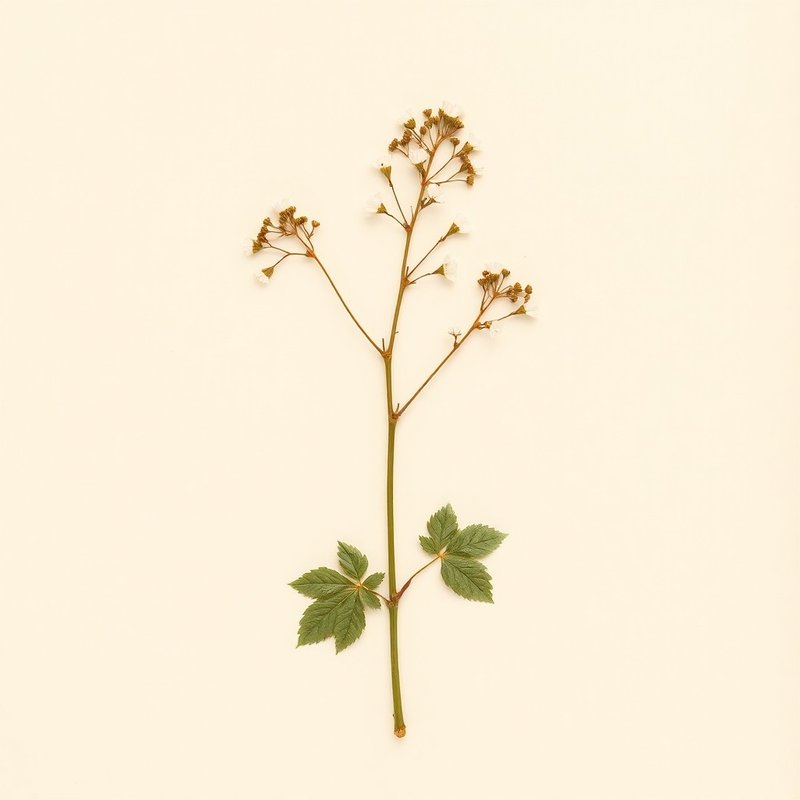
White-Flowered Currant (Ribes laxiflorum) is a deciduous shrub or vine native to the western United States and Canada, ranging from Alaska and Alberta to California and Utah. This plant thrives in moist, well-drained soils and prefers partial sun to full sun exposure. It can grow up to 0.3 meters tall and is hardy in zones 4-8. The distinctive feature of White-Flowered Currant lies in its white flowers, which contrast beautifully against the green foliage, adding a touch of elegance to gardens and landscapes while providing a food source for wildlife. The fruit of this plant can be eaten raw or cooked and is often used in jams and jellies due to its tart flavor. It is not recommended for drying or steeping as methods for consumption; these fruits are best enjoyed fresh or lightly processed. White-Flowered Currant thrives in full to partial sun and prefers light (sandy), medium, or heavy (clay) soils. This shrub/vine grows well in zones 4-8 and can be propagated through cuttings or seeds. Its ornamental value makes it a useful addition to gardens and landscapes while providing a food source for wildlife.
What is White-Flowered Currant?
White-Flowered Currant (Ribes laxiflorum) is a deciduous shrub or vine native to the western United States and Canada, ranging from Alaska and Alberta to California and Utah. This plant thrives in moist, well-drained soils and prefers partial sun to full sun exposure.
VCultivation
Cultivation
How to grow White-Flowered Currant for the first time
Start with a simple planting of White-Flowered Currant to enjoy its beauty and fruit.
- 1
What you'll need
A young White-Flowered Currant plant, garden soil, mulch, and water.
- 2
Best time to plant
Plant in early spring or late fall when the ground is not frozen.
- 3
Soil and container prep
Ensure the soil is well-draining with a pH between 6.0 and 7.5; amend as needed.
- 4
Sowing or transplanting
Transplant young plants into your garden, spacing them about 1-2 meters apart.
- 5
First two weeks
Water regularly to keep the soil moist but not waterlogged. Monitor for pests and diseases.
- 6
Ongoing care
Provide full sun to partial shade; prune in late winter or early spring to maintain shape.
- 7
Harvest or pruning
Prune after fruiting to encourage new growth and remove any dead branches.
- 8
Common mistakes
Overwatering, planting in heavy clay soil, neglecting pruning, not providing enough sunlight, and using incorrect mulch.
VIEdible & utility
Edible & utility
VIIDistribution
12 native · 0 introduced
Distribution
12 native · 0 introducedIXSpecimen gallery
1 image
Specimen gallery
1 imageExplore further
About this entry
- Last updated
- Citation
- How to cite this entry · Submit a correction
Continue reading
Get archive updates
Occasional email when substantial new content lands — plant profiles, seasonal growing notes, folk-remedy additions. Free, no tracking, unsubscribe anytime.