
Ribes mandschuricum
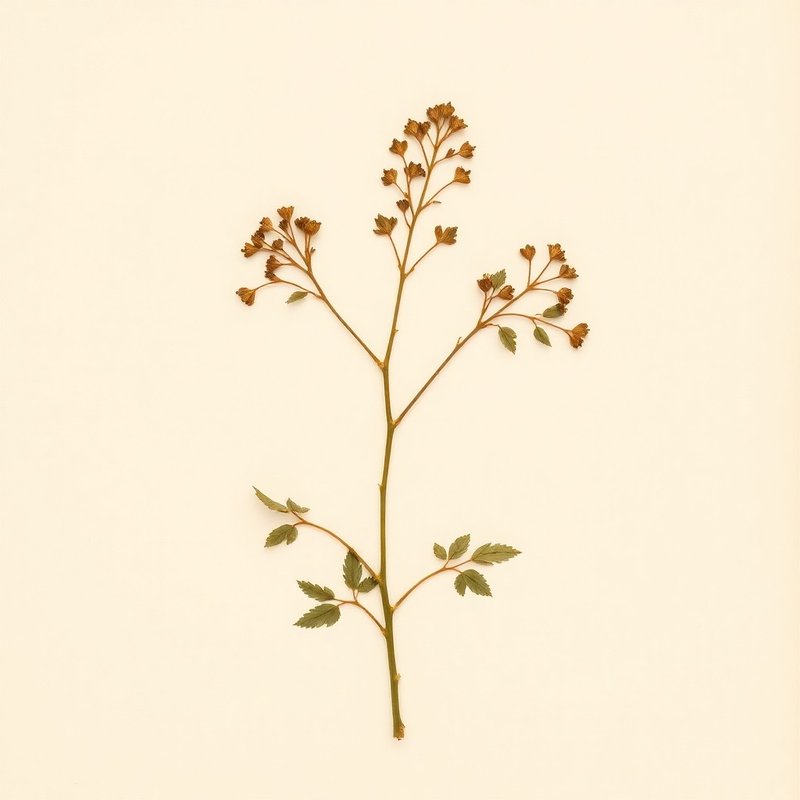
IOverview
Overview
Ribes mandschuricum, commonly known as Manchurian currant, is a deciduous shrub belonging to the Grossulariaceae family. Native to northeastern Asia, this plant thrives in light and partial sun with soil types ranging from sandy to clay. Hardy in zones 5-9, it can grow up to 3 meters tall. Known for its edible fruit, which can be enjoyed fresh or used in jams and jellies, R. mandschuricum is valued both as an ornamental shrub and a source of food. The plant features small, dark purple berries that ripen in late summer, making it a visually appealing addition to gardens. Its ability to tolerate partial shade while still producing fruit adds versatility to its growing conditions. For optimal fruit production, ensure the plant receives adequate water and well-draining soil conditions. Propagation can be done through seeds or cuttings. While primarily used for its fruit, R. mandschuricum also offers ornamental value with its attractive foliage and berries.
What is Ribes mandschuricum?
Ribes mandschuricum, commonly known as Manchurian currant, is a deciduous shrub belonging to the Grossulariaceae family. Native to northeastern Asia, this plant thrives in light and partial sun with soil types ranging from sandy to clay. Hardy in zones 5-9, it can grow up to 3 meters tall.
VCultivation
Cultivation
How to grow Ribes mandschuricum for the first time
Start with planting Ribes mandschuricum in a sunny spot and follow these simple steps for success.
- 1
What you'll need
A young Ribes mandschuricum plant, garden soil, mulch, and water.
- 2
Best time to plant
Plant in early spring or late fall when the ground is workable but not too wet.
- 3
Soil and container prep
Ensure the soil drains well. Amend with compost if necessary. For containers, use a pot at least 30 cm wide and deep.
- 4
Sowing or transplanting
Transplant young plants directly into the garden or start from cuttings in early spring.
- 5
First two weeks
Water regularly to keep soil moist. Monitor for any signs of stress, such as wilting.
- 6
Ongoing care
Provide full sun to partial shade. Water when the top inch of soil feels dry. Prune in late winter to maintain shape and remove dead branches.
- 7
Harvest or pruning
Prune in late winter to encourage new growth and fruiting. Harvest fruits when they are fully colored but still firm.
VIEdible & utility
Edible & utility
IXSpecimen gallery
1 image
Specimen gallery
1 imageExplore further
About this entry
- Last updated
- Citation
- How to cite this entry · Submit a correction
Continue reading
Get archive updates
Occasional email when substantial new content lands — plant profiles, seasonal growing notes, folk-remedy additions. Free, no tracking, unsubscribe anytime.