
Ribes orientale
Ribes orientale
Educational content — not medical, botanical, or professional advice. Plant identification, safety, and edibility depend on local conditions, cultivars, and correct identification. Consult a qualified botanist or forager before consuming or handling wild specimens. How we source & review →
Garden journal pausedUse profile notes below
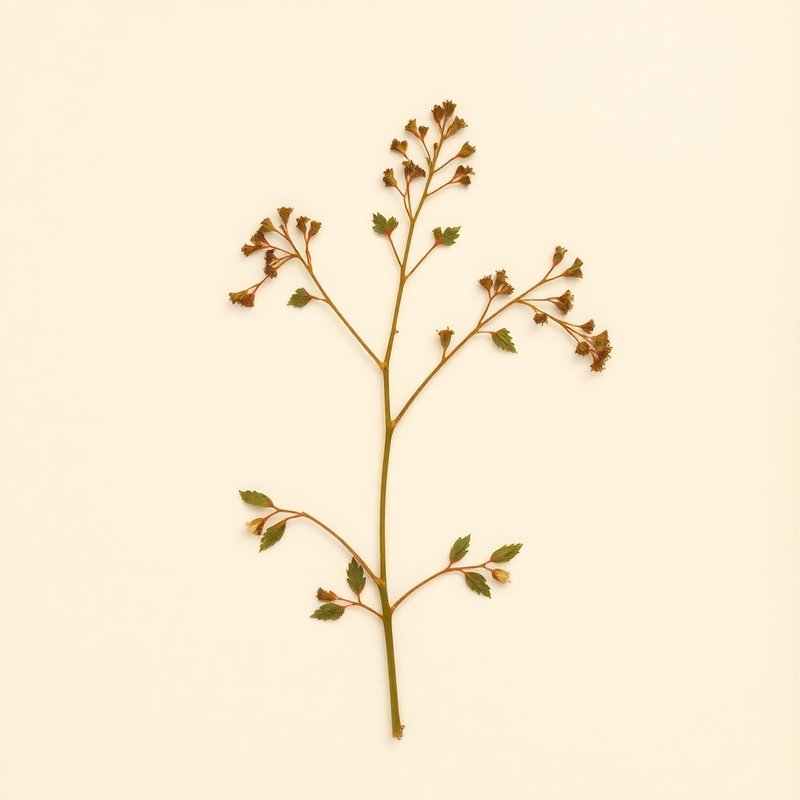
Pl. B37F — Ribes orientale
Ribes orientaleRibes orientaleRibes orientaleRibes orientaleRibes orientaleRibes orientaleRibes orientaleRibes orientaleRibes orientaleRibes orientaleRibes orientaleRibes orientaleRibes orientaleRibes orientale
IOverview
Overview
Ribes orientale, commonly known as the black currant, is a deciduous shrub native to regions spanning from Afghanistan and China South-Central to Greece, Iran, Lebanon-Syria, Nepal, North Caucasus, Pakistan, Tajikistan, Tibet, Transcaucasus, Turkey, and West Himalaya. This plant thrives in moist, well-drained soils of light (sandy), medium, or heavy (clay) texture, preferring full to partial sun. It is hardy in zones 4-8 and can grow up to 1.8 meters tall. The fruit of Ribes orientale is edible and can be eaten raw or used in various preparations. It is often consumed fresh but can also be dried for later use. The shrub's distinctive feature includes clusters of small white or pink flowers followed by dark purple berries that ripen in late summer, making it an attractive ornamental plant as well. While primarily known for its edible fruit, Ribes orientale also serves as a decorative element in gardens and landscapes due to its appealing appearance. However, caution is advised when handling the plant, especially if you have sensitive skin or allergies, as some individuals may experience irritation upon contact with the leaves or berries.
Quick answers
What is Ribes orientale?
Ribes orientale, commonly known as the black currant, is a deciduous shrub native to regions spanning from Afghanistan and China South-Central to Greece, Iran, Lebanon-Syria, Nepal, North Caucasus, Pakistan, Tajikistan, Tibet, Transcaucasus, Turkey, and West Himalaya.
Growingconditions · propagation · uses
VCultivation
Cultivation
Ribes orientale thrives in full to partial sun and requires moist soil that can be light (sandy), medium, or heavy (clay). It is hardy from zones 4-8, making it suitable for temperate regions. The plant grows up to 1.8 meters tall and produces edible fruit. Ensure the soil remains consistently moist but well-draining to prevent root rot. Skip any specific fertilizers not mentioned in the data.
Light
Full sun, Partial sun/shade
Water
Moist
Soil
Light (sandy), Medium, Heavy (clay)
Hardiness
4-8
Mature size
1.8 m tall
For first-time growers
How to grow Ribes orientale for the first time
8steps
Start with planting Ribes orientale in a sunny spot, and you'll have a rewarding experience.
- 1
What you'll need
Ribes orientale plants or seeds, garden soil, compost, mulch.
- 2
Best time to plant
Plant in spring after the last frost or fall before the first freeze.
- 3
Soil and container prep
Choose a location with well-draining soil that is light (sandy), medium, or heavy (clay).
- 4
Sowing or transplanting
Transplant young plants from nursery pots directly into the garden. For seeds, sow in early spring.
- 5
First two weeks
Water regularly to keep soil moist but not waterlogged. Monitor for pests and diseases.
- 6
Ongoing care
Provide full sun or partial shade. Water when dry, especially during fruiting. Prune in late winter to maintain shape.
- 7
Harvest or pruning
Prune after fruiting to encourage new growth and prevent disease. Harvest fruits when they are fully colored.
- 8
Common mistakes
Overwatering, planting in heavy shade, neglecting pruning, using too much fertilizer, not mulching.
VIEdible & utility
Edible & utility
Edible parts:Fruit
Edible uses: The fruit of Ribes orientale is edible and can be eaten raw or used in various preparations. It is often consumed fresh but can also be dried for later use. Skip the specific preparation methods as details are not provided.
Contextrange · companions · related
VIIDistribution
14 native · 0 introduced
Distribution
14 native · 0 introducedDistribution across2 continents· 14 native
Europe2 regions
native (2)GreeceRussia
Asia6 regions
native (6)AfghanistanChinaIranNepalPakistanTurkey
Broader regions
native:East Himalaya, Lebanon-Syria, Tadzhikistan, Transcaucasus, West Himalaya
IXSpecimen gallery
1 image
Specimen gallery
1 imageXI
Explore further
Companion planting
Growing zone
XII
About this entry
- Last updated
- Citation
- How to cite this entry · Submit a correction
Back to the cataloguePlant id · b37fd829-03ae-467b-a856-021cc1628812
Decision aid
Choosing between Ribes orientale and something else?
Continue reading
❦❦❦❦
Endpaper · archive updates
Get archive updates
Occasional email when substantial new content lands — plant profiles, seasonal growing notes, folk-remedy additions. Free, no tracking, unsubscribe anytime.
Newsletter returning soon.
We are rebuilding the update list around a lightweight editorial workflow. New dispatches will resume after the next content review cycle.