
Rock Red Currant
IOverview
Overview
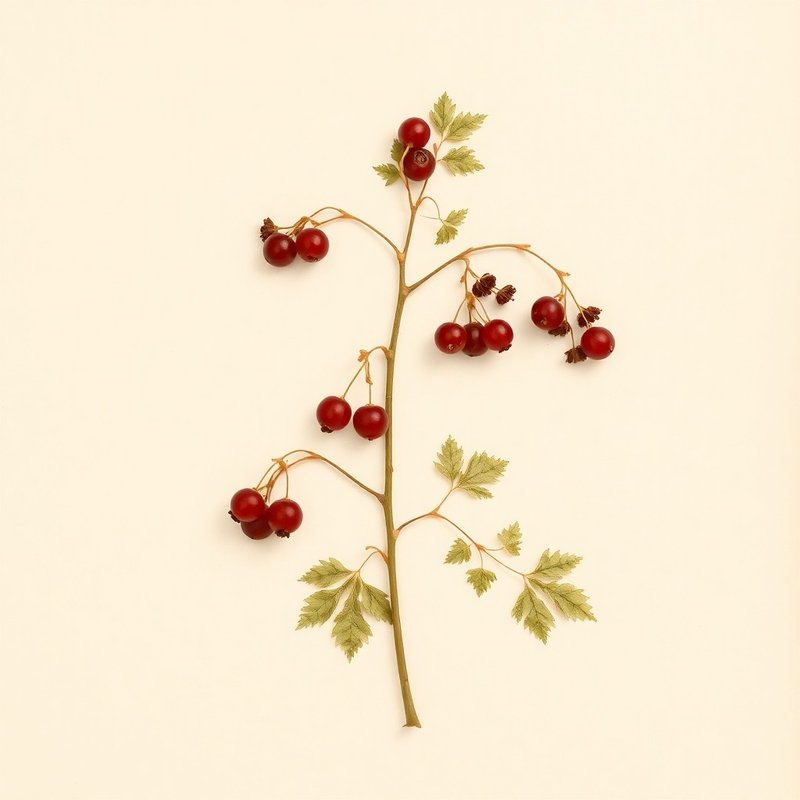
Rock Red Currant (Ribes petraeum) is a shrub native to regions including Albania, Algeria, Austria, Bulgaria, and several other Eastern European countries such as Kazakhstan, Poland, Romania, and Ukraine. This plant thrives in a variety of soil types—light (sandy), medium, and heavy (clay)—and prefers moist conditions with a pH between 6.5 and 7. It grows up to 1.8 meters tall and is hardy in zones 5-9, making it adaptable to many climates. Rock Red Currant is valued not only for its ornamental qualities but also for its culinary use. The fruit of this shrub is edible and can be eaten raw or cooked, often used in jams and jellies due to its tart flavor. It can also be dried for later use. This species is known for its adaptability to a variety of soil types, making it a versatile addition to gardens and landscapes. Rock Red Currant thrives in full sun to partial shade and requires regular watering, especially during dry periods. Propagation can be done through cuttings or seeds. With its hardiness and ornamental value, Rock Red Currant is an excellent choice for gardeners looking to add a versatile shrub that can thrive in various conditions.
What is Rock Red Currant?
Rock Red Currant (Ribes petraeum) is a shrub native to regions including Albania, Algeria, Austria, Bulgaria, and several other Eastern European countries such as Kazakhstan, Poland, Romania, and Ukraine.
VCultivation
Cultivation
How to grow Rock Red Currant for the first time
Start with Rock Red Currant as a simple shrub that requires basic care and attention.
- 1
What you'll need
Rock Red Currant plants, garden gloves, pruning shears.
- 2
Best time to plant
Plant in early spring or late fall when the soil is moist but not waterlogged.
- 3
Soil and container prep
Ensure the soil is well-draining with a pH between 6.5 and 7, and prepare containers at least 30 cm wide and deep.
- 4
Sowing or transplanting
Transplant young plants from nursery pots to your garden bed, spacing them about 1.2 m apart.
- 5
First two weeks
Water the newly planted shrubs regularly to help establish their roots and keep the soil moist but not soggy.
- 6
Ongoing care
Provide regular watering during dry spells, especially in summer. Prune lightly after fruiting to maintain shape.
- 7
Harvest or pruning
Prune the shrub annually in late winter before new growth begins to encourage healthy fruit production.
- 8
Common mistakes
Overwatering, not providing enough space between plants, neglecting winter protection in colder regions.
VIEdible & utility
Edible & utility
VIIDistribution
23 native · 3 introduced
Distribution
23 native · 3 introducedIXSpecimen gallery
1 image
Specimen gallery
1 imageXSee also
8 related
See also
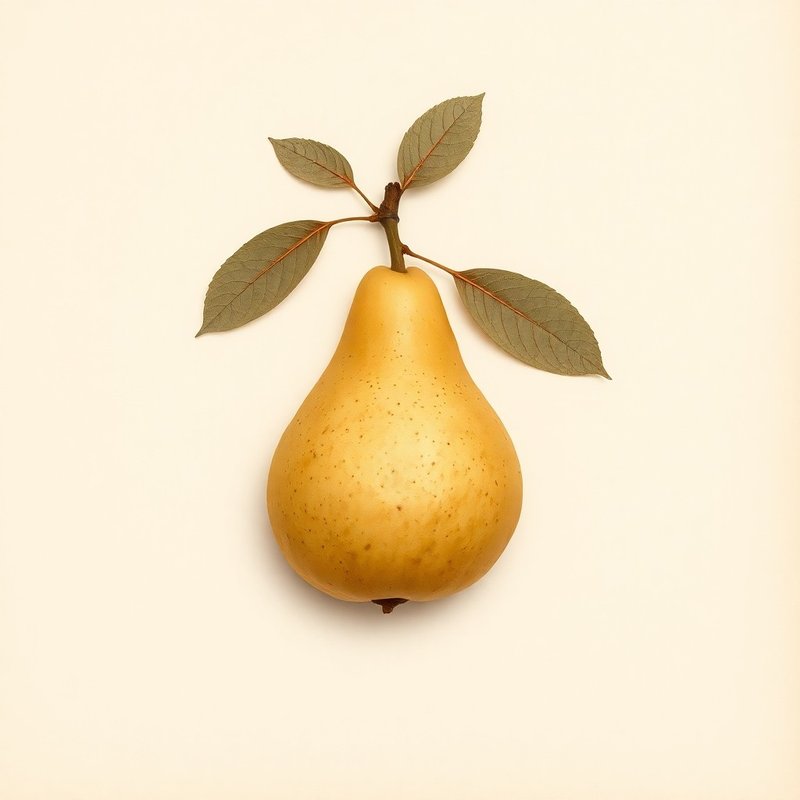
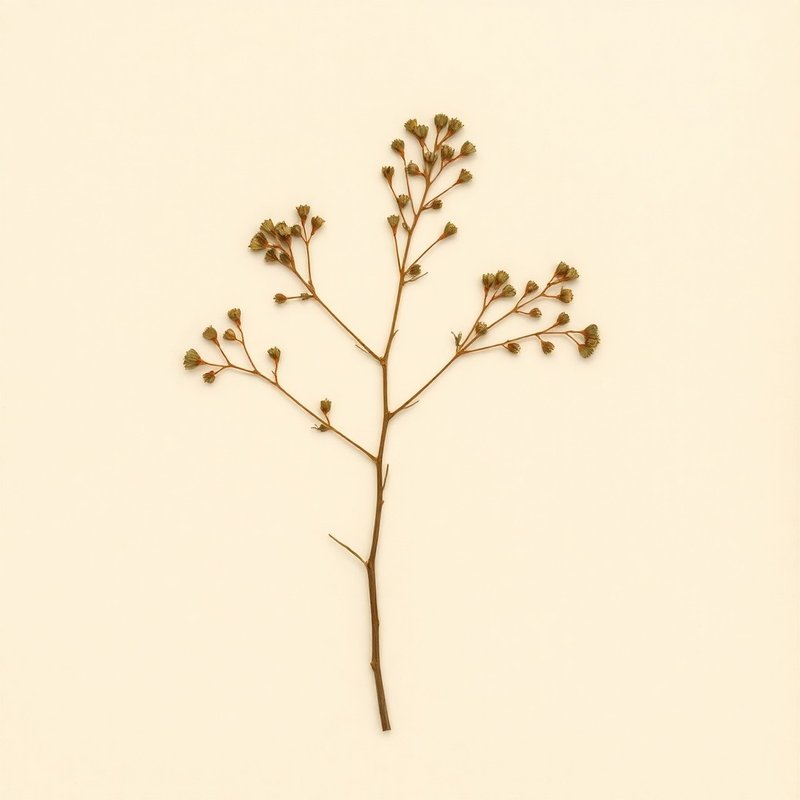
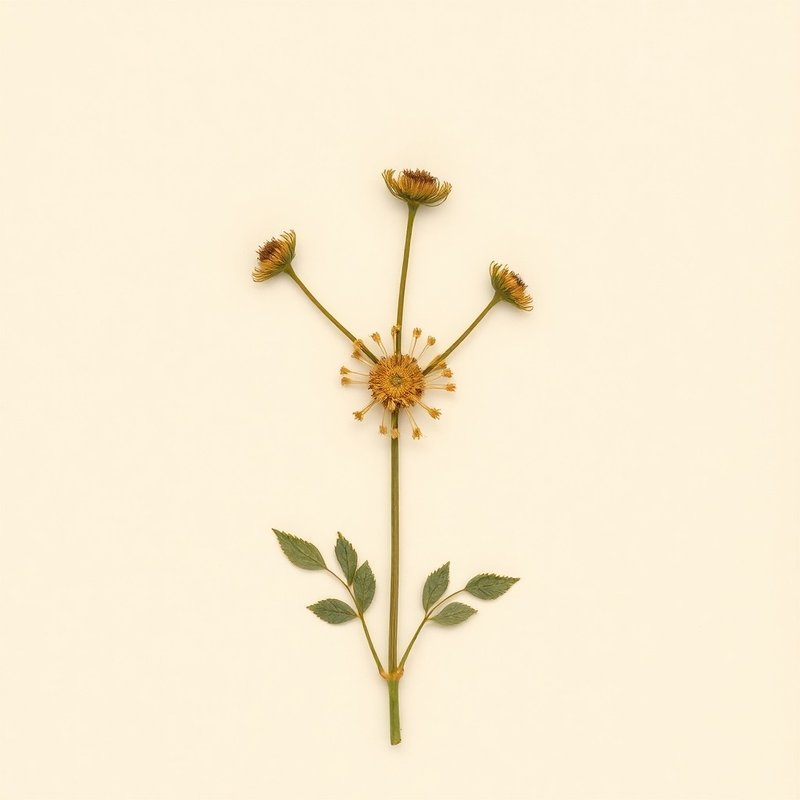
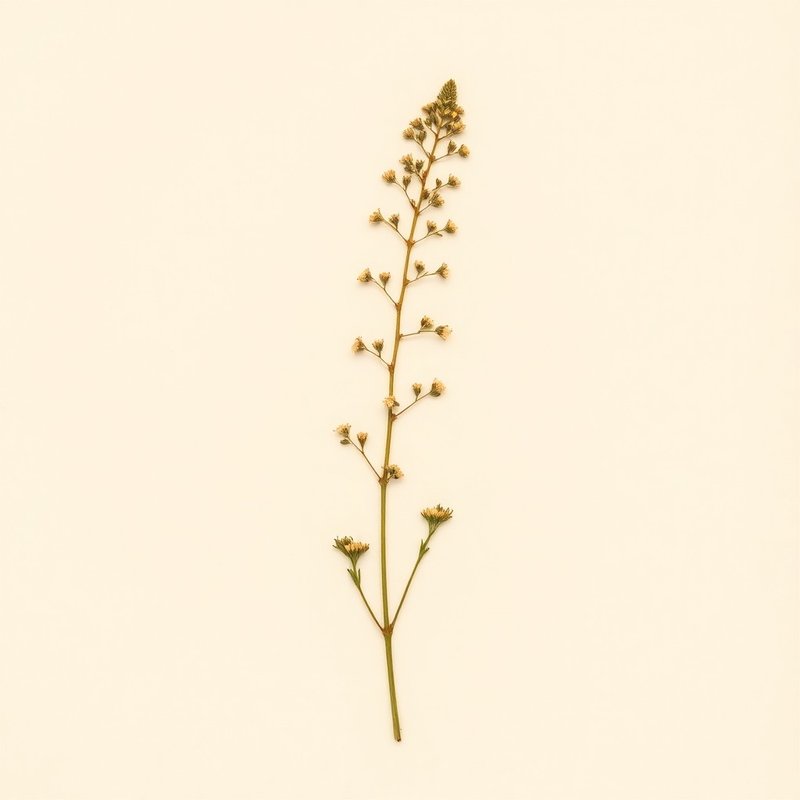
8 relatedPlants you might compare or use together — scored by shared family (Rosaceae), common use cases, and growing requirements.

Explore further
About this entry
- Last updated
- Citation
- How to cite this entry · Submit a correction
Continue reading
Get archive updates
Occasional email when substantial new content lands — plant profiles, seasonal growing notes, folk-remedy additions. Free, no tracking, unsubscribe anytime.