
Nordic Currant
Ribes spicatum
Educational content — not medical, botanical, or professional advice. Plant identification, safety, and edibility depend on local conditions, cultivars, and correct identification. Consult a qualified botanist or forager before consuming or handling wild specimens. How we source & review →
Garden journal pausedUse profile notes below
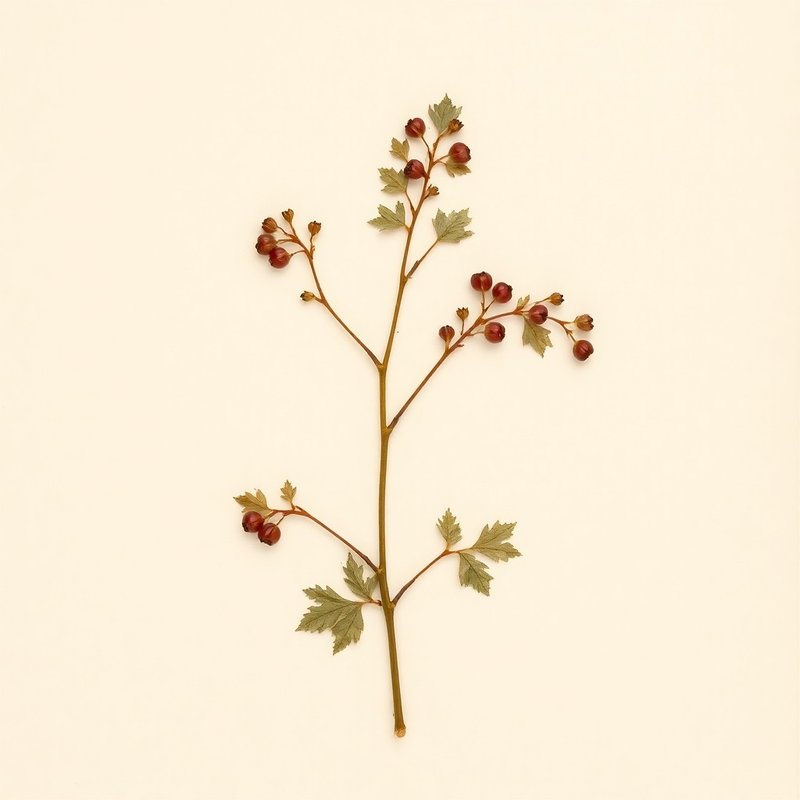
Pl. 3B79 — Ribes spicatum
Ribes spicatumRibes spicatumRibes spicatumRibes spicatumRibes spicatumRibes spicatumRibes spicatumRibes spicatumRibes spicatumRibes spicatumRibes spicatumRibes spicatumRibes spicatumRibes spicatum
IOverview
Overview
Nordic Currant (Ribes spicatum) is a deciduous shrub native to northern and eastern Europe, as well as parts of Asia, including regions such as Altay, Amur, Baltic States, Belgium, Buryatiya, Central European Rus, Chita, Denmark, and other areas like East European Russia, Finland, Germany, Great Britain, Inner Mongolia, Kazakhstan, Khabarovsk, Krasnoyarsk, Magadan, Manchuria, Mongolia, North European Russia, Northwest European Russia, Norway, Poland, Primorye, Romania, Sweden, Tuva, Ukraine, West Siberia, and Yakutskiya. This hardy plant, which can grow up to 2 meters tall, thrives in moist, light to medium soil and can tolerate partial to full sun exposure. Its native range extends to areas such as Czechoslovakia, Hungary, and the Krym, where it has been introduced. The fruit of the Nordic Currant is edible and can be enjoyed fresh or used in various culinary applications, such as jams or preserves. The fruits are often harvested when ripe and can be dried for later use. This shrub is known for its adaptability to a variety of climates, making it a versatile addition to gardens in cooler regions. Its ability to thrive in diverse environments and its edible fruit make it a valuable plant for both ornamental and culinary purposes.
Quick answers
What is Nordic Currant?
Nordic Currant (Ribes spicatum) is a deciduous shrub native to northern and eastern Europe, as well as parts of Asia, including regions such as Altay, Amur, Baltic States, Belgium, Buryatiya, Central European Rus, Chita, Denmark, and other areas like East European Russia, Finland
Growingconditions · propagation · uses
VCultivation
Cultivation
Nordic Currant prefers full to partial sun and requires moist soil that can be light (sandy), medium, or heavy (clay). It is hardy in zones 3-7 and grows to a height of 2 meters. For propagation, consider using cuttings or seeds. Ensure the plant has adequate moisture, especially during fruiting, for optimal growth and fruit production.
Light
Full sun, Partial sun/shade
Water
Moist
Soil
Light (sandy), Medium, Heavy (clay)
Hardiness
3-7
Mature size
2.0 m tall
For first-time growers
How to grow Nordic Currant for the first time
7steps
Start with planting Nordic Currant in a sunny spot and follow these simple steps for success.
- 1
What you'll need
Nursery-grown plants, garden gloves, trowel, watering can.
- 2
Best time to plant
Plant in spring or fall when the soil is moist and cool.
- 3
Soil and container prep
Choose a location with well-draining soil. Amend heavy clay soils with sand for better drainage.
- 4
Sowing or transplanting
Transplant young plants in early spring, ensuring the roots are not disturbed.
- 5
First two weeks
Water regularly to keep the soil moist but not waterlogged. Monitor for pests and diseases.
- 6
Ongoing care
Provide full sun or partial shade. Water deeply once a week during dry spells. Prune in late winter to maintain shape.
- 7
Harvest or pruning
Prune in late winter to remove dead wood and thin out crowded branches for better air circulation.
VIEdible & utility
Edible & utility
Edible parts:Fruit
Edible uses: The Nordic Currant's fruit is edible and can be eaten raw or used in various preparations. It is often harvested when ripe and enjoyed fresh, but the fruits can also be dried for later use. Skip processing into jams or other preserves to fully enjoy their natural flavor.
Contextrange · companions · related
VIIDistribution
31 native · 3 introduced
Distribution
31 native · 3 introducedDistribution across2 continents· 31 native· 3 introduced
Europe13 regions
native (11)BelgiumDenmarkFinlandGermanyNorwayPolandRomaniaRussiaSwedenUkraineUnited Kingdom
introduced (2)HungaryUkraine
Asia3 regions
native (3)ChinaKazakhstanMongolia
Broader regions
native:Altay, Amur, Baltic States, Buryatiya, Chita, Irkutsk, Khabarovsk, Krasnoyarsk, Magadan, Primorye, Tuva, Yakutskiya
introduced:Czechoslovakia
IXSpecimen gallery
1 image
Specimen gallery
1 imageXI
Explore further
Companion planting
Growing zone
Native to
XII
About this entry
- Last updated
- Citation
- How to cite this entry · Submit a correction
Back to the cataloguePlant id · 3b790854-fdb1-4880-8542-23efd0624f85
Decision aid
Choosing between Nordic Currant and something else?
Continue reading
❦❦❦❦
Endpaper · archive updates
Get archive updates
Occasional email when substantial new content lands — plant profiles, seasonal growing notes, folk-remedy additions. Free, no tracking, unsubscribe anytime.
Newsletter returning soon.
We are rebuilding the update list around a lightweight editorial workflow. New dispatches will resume after the next content review cycle.