
Black locust
Robinia pseudoacacia
Educational content — not medical, botanical, or professional advice. Plant identification, safety, and edibility depend on local conditions, cultivars, and correct identification. Consult a qualified botanist or forager before consuming or handling wild specimens. How we source & review →
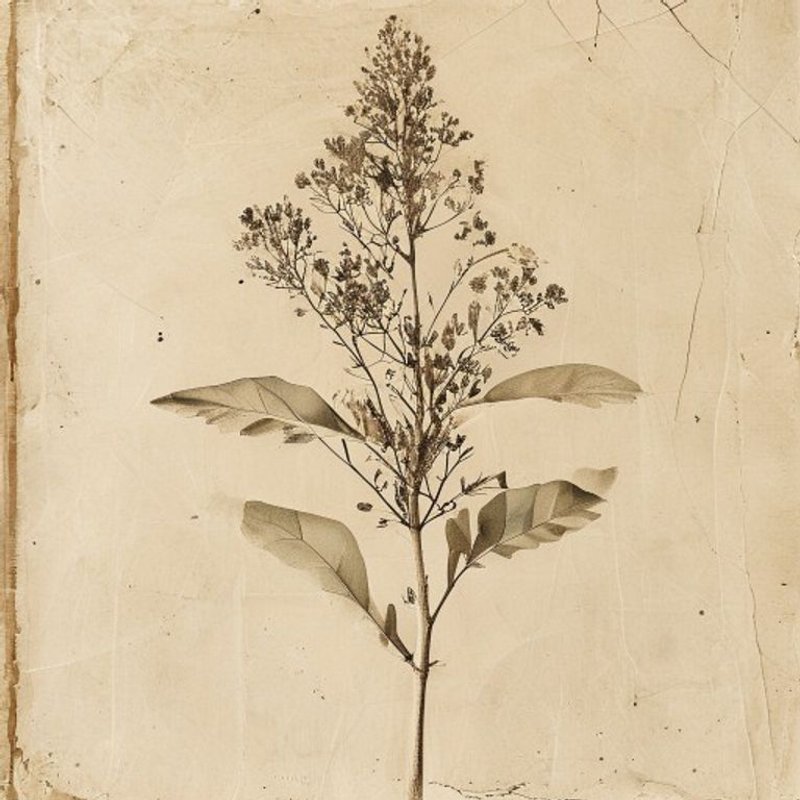
Pl. B24B — Robinia pseudoacacia
Robinia pseudoacaciaRobinia pseudoacaciaRobinia pseudoacaciaRobinia pseudoacaciaRobinia pseudoacaciaRobinia pseudoacaciaRobinia pseudoacaciaRobinia pseudoacaciaRobinia pseudoacaciaRobinia pseudoacaciaRobinia pseudoacaciaRobinia pseudoacaciaRobinia pseudoacaciaRobinia pseudoacacia
IOverview
Overview
The Black locust is a perennial tree native to several states in the United States, including Alabama, Georgia, Illinois, Kentucky, Maryland, Pennsylvania, Tennessee, and Vermont. It is known for its edible parts, which include flowers, seeds, and seedpods. As a tree, it can grow quite tall, and its hardiness allows it to thrive in a variety of conditions. The Black locust is capable of growing in different types of soil, from light and sandy to heavy clay, and can tolerate a range of soil pH levels. One of its distinctive features is its ability to grow in a variety of light and water conditions, making it a versatile species. Its edible parts make it a notable plant, and its perennial life cycle allows it to come back year after year.
Quick answers
What is Black locust?
The Black locust is a perennial tree native to several states in the United States, including Alabama, Georgia, Illinois, Kentucky, Maryland, Pennsylvania, Tennessee, and Vermont. It is known for its edible parts, which include flowers, seeds, and seedpods.
Growingconditions · propagation · uses
VCultivation
Cultivation
Light
8/10
Water
Dry, Moist
Soil
Light (sandy), Medium, Heavy (clay)
Hardiness
4-9
Life cycle
Perennial
Habit
Tree
Mature size
25.0 m × 3 m
Soil pH
4.6–8.2
Seasonal calendar
Northern hemisphere · UTC month is September
winterspringsummerautumnwinter
BloomJFMAMJJASOND
For first-time growers
How to grow Black locust for the first time
8steps
Start with planting a Black locust tree in your garden for its hardiness and beauty.
- 1
What you'll need
A young Black locust sapling, gloves, a shovel, and some mulch.
- 2
Best time to plant
Plant the sapling in spring or fall when temperatures are mild.
- 3
Soil and container prep
Ensure the soil is well-draining with a pH between 4.6 and 8.2, and loosen it to about 30 cm deep.
- 4
Sowing or transplanting
Transplant the sapling into a hole twice as wide but not deeper than its root ball.
- 5
First two weeks
Water the tree deeply every few days, keeping the soil moist but not waterlogged.
- 6
Ongoing care
Water regularly during dry spells and mulch to retain moisture. Prune in late winter or early spring.
- 7
Harvest or pruning
Prune young trees to shape them, removing dead or crossing branches as needed.
- 8
Common mistakes
Planting too deep, overwatering, and neglecting proper pruning are common pitfalls.
VIEdible & utility
Edible & utility
Edible parts:FlowersSeedSeedpod
Edible uses: Oil, Condiment, Drink
Other uses:DyeEssential OilFiberAnimal feedFire starteroilErosion controlLumberDynamic accumulatorNitrogen fixerFragrance
Contextrange · companions · related
VIIDistribution
8 native · 22 introduced
Distribution
8 native · 22 introducedDistribution across3 continents· 8 native· 22 introduced
Europe7 regions
introduced (7)AlbaniaAustriaBelarusBelgiumBulgariaPortugalRussia
Asia2 regions
native (1)Georgia
introduced (1)China
Africa1 region
introduced (1)Algeria
Broader regions
native:Illinois, Pennsylvania, Alabama, Maryland, Kentucky, Vermont, Tennessee
introduced:East Aegean Is., Easter Is., Baltic States, Chile Central, Cape Provinces, Colorado, California, Free State, Idaho, Argentina Northeast
IXSpecimen gallery
1 image
Specimen gallery
1 imageXI
Explore further
Companion planting
Growing zone
XII
About this entry
- Last updated
- Citation
- How to cite this entry · Submit a correction
Back to the cataloguePlant id · b24b6531-86a5-4ea1-948e-df0a1b30fbfb
Decision aid
Choosing between Black locust and something else?
Continue reading
❦❦❦❦
Endpaper · archive updates
Get archive updates
Occasional email when substantial new content lands — plant profiles, seasonal growing notes, folk-remedy additions. Free, no tracking, unsubscribe anytime.