
Rodgersia podophylla
Rodgersia podophyllafam. Rodgersiaceae
Educational content — not medical, botanical, or professional advice. Plant identification, safety, and edibility depend on local conditions, cultivars, and correct identification. Consult a qualified botanist or forager before consuming or handling wild specimens. How we source & review →
Garden journal pausedUse profile notes below
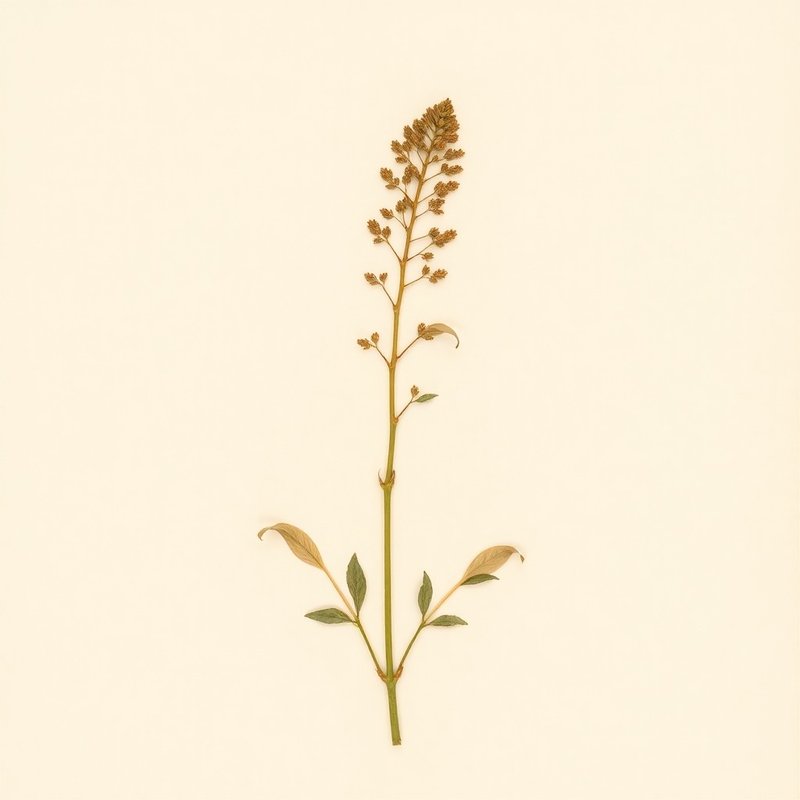
Pl. 536C — Rodgersia podophylla
Rodgersia podophyllaRodgersia podophyllaRodgersia podophyllaRodgersia podophyllaRodgersia podophyllaRodgersia podophyllaRodgersia podophyllaRodgersia podophyllaRodgersia podophyllaRodgersia podophyllaRodgersia podophyllaRodgersia podophyllaRodgersia podophyllaRodgersia podophylla
IOverview
Overview
Rodgersia podophylla, commonly known as Rodgersia, is a perennial plant native to Japan, Korea, and Manchuria, where it thrives in moist, wet environments with light to partial shade. This species can be found growing well in soils that are either sandy, medium, or clayey, making it adaptable to various conditions. Standing at about 1.3 meters tall, Rodgersia is notable for its large, deeply lobed leaves and showy clusters of white to pink flowers, which add ornamental value to gardens. The plant's edible leaves can be consumed raw or cooked, often used in salads for their mild flavor or steamed as a side dish. Introduced into Czechoslovakia, Great Britain, Ireland, and Norway, Rodgersia has gained popularity beyond its native range due to its attractive foliage and culinary uses. Its ability to grow well in moist conditions and partial sun makes it an ideal ground cover plant. While the leaves are safe for consumption, caution should be exercised when handling any part of the plant, as some species within the Saxifragaceae family may contain compounds that could cause skin irritation or other reactions.
Quick answers
What is Rodgersia podophylla?
Rodgersia podophylla, commonly known as Rodgersia, is a perennial plant native to Japan, Korea, and Manchuria, where it thrives in moist, wet environments with light to partial shade. This species can be found growing well in soils that are either sandy, medium, or clayey, making it adaptable to various conditions.
Growingconditions · propagation · uses
VCultivation
Cultivation
Rodgersia podophylla thrives in moist to wet conditions and prefers partial sun to full sun depending on the climate. It grows well in light, medium, or heavy soil types. This perennial reaches a height of 1.3 meters and is native to Japan, Korea, and Manchuria. For optimal growth, keep the soil consistently moist. Propagate through division in spring for best results. While hardy in temperate regions, it requires adequate moisture to flourish. The edible parts are its leaves.
Light
Full sun, Partial sun/shade
Water
Moist, Wet
Soil
Light (sandy), Medium, Heavy (clay)
Life cycle
Perennial
Mature size
1.3 m tall
For first-time growers
How to grow Rodgersia podophylla for the first time
8steps
Start with Skip by ensuring you have the right conditions and care, making it a manageable project for beginners.
- 1
What you'll need
A large pot or garden space, good quality soil, and Rodgersia podophylla plants or seeds.
- 2
Best time to plant
Plant Skip in early spring or late fall when the weather is cooler.
- 3
Soil and container prep
Use well-draining soil that can be light (sandy), medium, or heavy (clay). Ensure containers have drainage holes.
- 4
Sowing or transplanting
Transplant Skip from a nursery or divide existing plants in early spring. Sow seeds directly into the garden after the last frost.
- 5
First two weeks
Keep the soil moist and provide partial shade to help young plants establish.
- 6
Ongoing care
Water regularly, especially during dry spells, and mulch around the base for moisture retention. Fertilize sparingly with compost in early spring.
- 7
Harvest or pruning
Prune dead leaves to maintain a neat appearance but avoid cutting back too much as it may affect growth.
- 8
Common mistakes
Overwatering, planting in full sun, and not providing enough shade are common issues. Avoid using heavy fertilizers that can damage the roots.
VIEdible & utility
Edible & utility
Edible parts:Leaves
Edible uses: The leaves of Rodgersia podophylla are edible and can be consumed raw or cooked. They are often prepared in salads for their mild flavor or steamed as a side dish. Skip the detailed recipe; focus on these basic preparation methods.
Other uses:Ground cover
Contextrange · companions · related
VIIDistribution
3 native · 4 introduced
Distribution
3 native · 4 introducedDistribution across2 continents· 3 native· 4 introduced
Europe3 regions
introduced (3)IrelandNorwayUnited Kingdom
Asia3 regions
native (3)ChinaJapanSouth Korea
Broader regions
introduced:Czechoslovakia
IXSpecimen gallery
1 image
Specimen gallery
1 imageXI
Explore further
Companion planting
XII
About this entry
- Last updated
- Citation
- How to cite this entry · Submit a correction
Back to the cataloguePlant id · 536ca849-6dfa-4513-91e4-b19500ec2e0c
Decision aid
Choosing between Rodgersia podophylla and something else?
Continue reading
❦❦❦❦
Endpaper · archive updates
Get archive updates
Occasional email when substantial new content lands — plant profiles, seasonal growing notes, folk-remedy additions. Free, no tracking, unsubscribe anytime.
Newsletter returning soon.
We are rebuilding the update list around a lightweight editorial workflow. New dispatches will resume after the next content review cycle.