
California mistmaiden
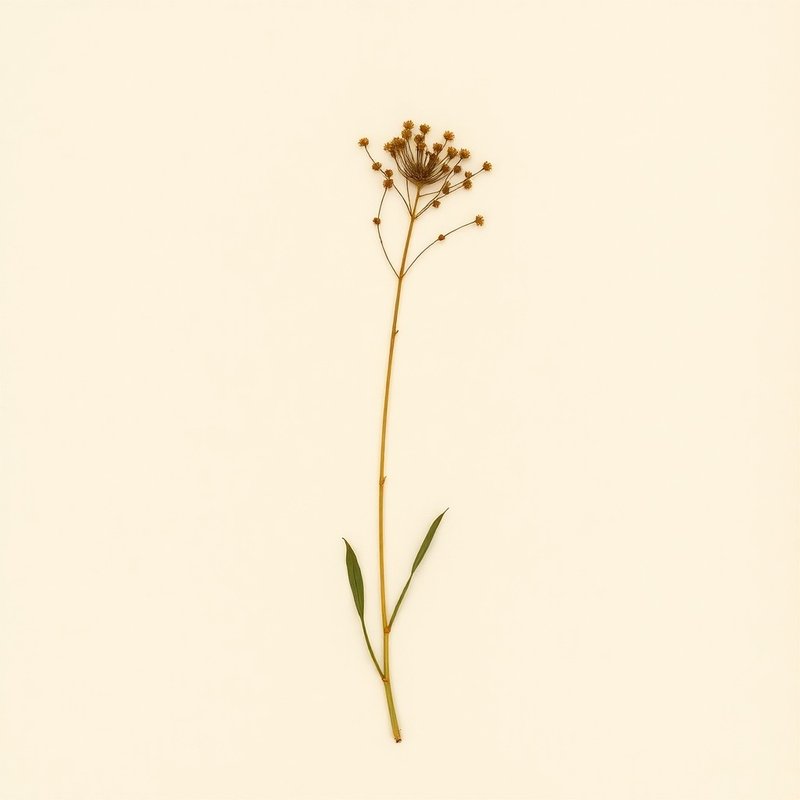
IOverview
Overview
California mistmaiden, scientifically known as Romanzoffia suksdorfii, is a perennial herb native to the coastal regions of California and Oregon. This plant thrives in partial sun or full shade and prefers moist conditions with light (sandy), medium, or heavy (clay) soil. Hardy from zones 6-9, it grows to about 0.3 meters tall. Known for its edible leaves, which can be used in various culinary applications, California mistmaiden is both ornamental and useful as a food source. Its distinctive feature lies in its ability to adapt to diverse soil types while maintaining a low stature, making it an interesting addition to gardens or natural landscapes. The leaves, when prepared by steaming or adding to salads, offer a mild flavor, though raw consumption may lead to a bitter taste. While not traditionally used for medicinal purposes, its edible and ornamental qualities make it a valuable plant in both cultivated and wild settings.
What is California mistmaiden?
California mistmaiden, scientifically known as Romanzoffia suksdorfii, is a perennial herb native to the coastal regions of California and Oregon. This plant thrives in partial sun or full shade and prefers moist conditions with light (sandy), medium, or heavy (clay) soil.
VCultivation
Cultivation
How to grow California mistmaiden for the first time
Start with a simple, low-maintenance perennial that thrives in partial sun and moist soil.
- 1
What you'll need
California mistmaiden plants or seeds, potting mix, containers if planting in pots.
- 2
Best time to plant
Plant in spring after the last frost or fall before the first freeze.
- 3
Soil and container prep
Use a well-draining soil mix suitable for perennials. Ensure containers have drainage holes.
- 4
Sowing or transplanting
Transplant young plants from nursery pots into prepared garden beds or containers. Sow seeds in trays if starting indoors.
- 5
First two weeks
Water regularly to keep the soil moist but not waterlogged. Avoid direct sunlight during this period.
- 6
Ongoing care
Provide partial sun and regular watering, especially during dry spells. Mulch around plants to retain moisture.
- 7
Harvest or pruning
Prune dead leaves in early spring to encourage new growth. No need for harvesting as it is not commonly done.
- 8
Common mistakes
Overwatering, planting in full sun, neglecting winter protection in colder zones.
VIEdible & utility
Edible & utility
VIIDistribution
2 native · 0 introduced
Distribution
2 native · 0 introducedIXSpecimen gallery
1 image
Specimen gallery
1 imageExplore further
About this entry
- Last updated
- Citation
- How to cite this entry · Submit a correction
Continue reading
Get archive updates
Occasional email when substantial new content lands — plant profiles, seasonal growing notes, folk-remedy additions. Free, no tracking, unsubscribe anytime.