
Cherokee Rose

IOverview
Overview
Cherokee Rose (Rosa laevigata), a vine and subshrub in the Rosaceae family, is native to central and southern China, Taiwan, and Vietnam. This plant thrives in full sun with moist soil that can range from light sandy to heavy clay, making it adaptable but preferring medium conditions for optimal growth. Cherokee Rose is known for its ornamental value, with its striking presence in gardens or natural landscapes. It can grow up to 6 meters in height, contributing to its presence as a versatile addition to various settings. Both edible and medicinal, Cherokee Rose is appreciated for its fruits, which are typically eaten fresh or dried. Its seeds can also be used in various preparations, though specific methods are not detailed in the provided data. The fruits and seeds are particularly notable for their edible parts. While the plant has documented medicinal uses, specific applications remain undocumented here. The distinctive feature of this rose is its ability to grow in a variety of soil types and its adaptability to different environments, making it a valuable addition to gardens and natural landscapes. For cultivation, Cherokee Rose thrives in full sun and prefers moist, well-draining soil that can be light (sandy), medium, or heavy (clay). It is hardy in zones 6-9 and can grow up to 6 meters tall, making it suitable for vine or subshrub cultivation. For best results, ensure the soil remains consistently moist but not waterlogged. Propagation can be achieved through seed or cuttings.
What is Cherokee Rose?
Cherokee Rose (Rosa laevigata), a vine and subshrub in the Rosaceae family, is native to central and southern China, Taiwan, and Vietnam. This plant thrives in full sun with moist soil that can range from light sandy to heavy clay, making it adaptable but preferring medium conditions for optimal growth.
IV·bMixology suggestions
1 draft
Mixology suggestions
1 draftVCultivation
Cultivation
How to grow Cherokee Rose for the first time
Start with planting Cherokee Rose in a sunny spot and follow these steps for success.
- 1
What you'll need
Cherokee Rose plants, garden gloves, spade or trowel.
- 2
Best time to plant
Plant in spring after the last frost or early fall.
- 3
Soil and container prep
Choose a location with well-draining soil; amend with compost if needed.
- 4
Sowing or transplanting
Transplant young plants, digging a hole twice as wide but not deeper than the root ball.
- 5
First two weeks
Water regularly to keep the soil moist until established. Monitor for pests and diseases.
- 6
Ongoing care
Provide support with trellis or fence; prune in late winter to maintain shape.
- 7
Harvest or pruning
Prune in late winter to encourage healthy growth and remove dead wood.
- 8
Common mistakes
Overwatering, not providing enough support, neglecting winter pruning.
VIEdible & utility
Edible & utility
VIIDistribution
6 native · 16 introduced
Distribution
6 native · 16 introducedIXSpecimen gallery
1 image
Specimen gallery
1 imageXSee also
8 related
See also
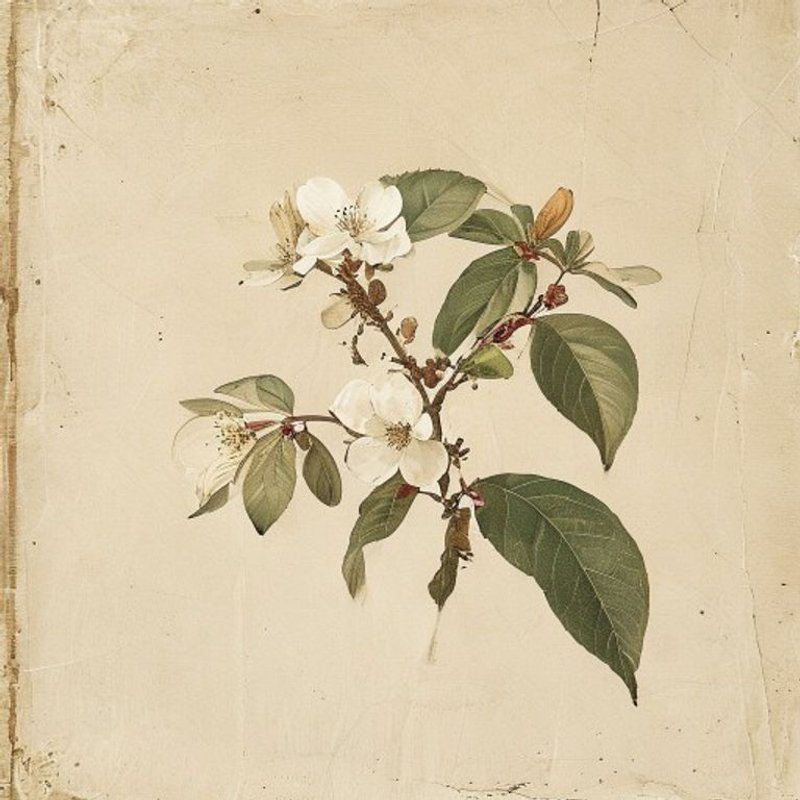
8 relatedPlants you might compare or use together — scored by shared family (Rosaceae), common use cases, and growing requirements.

Explore further
About this entry
- Last updated
- Citation
- How to cite this entry · Submit a correction
Continue reading
Get archive updates
Occasional email when substantial new content lands — plant profiles, seasonal growing notes, folk-remedy additions. Free, no tracking, unsubscribe anytime.