
Mora Comun
IOverview
Overview
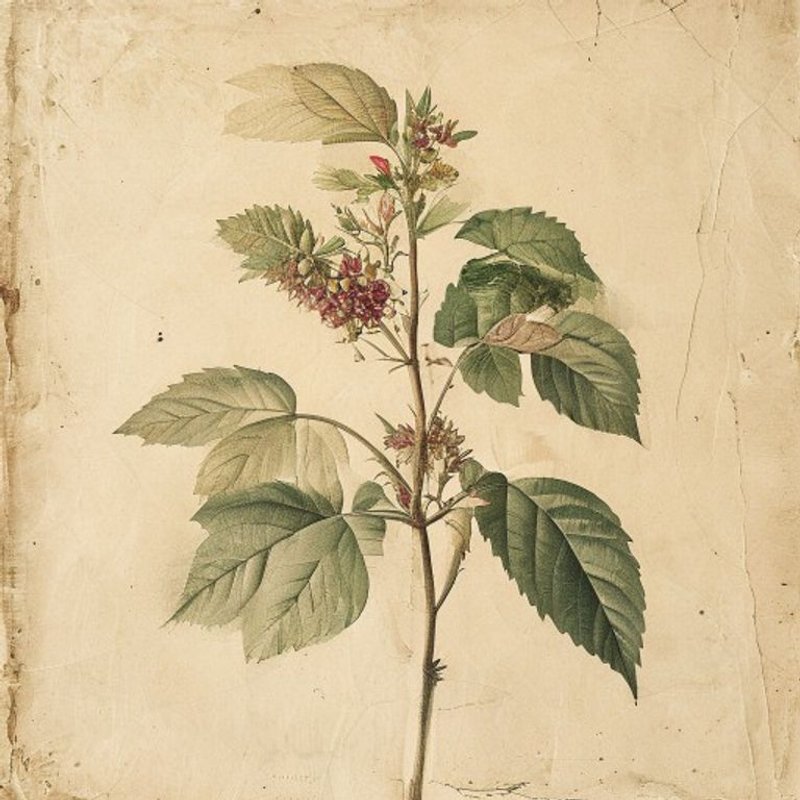
Mora Comun, scientifically known as Rubus adenotrichus, is a deciduous shrub that belongs to the Rosaceae family. Native to regions in Central America and Mexico, this plant is valued for its edible fruit and documented medicinal uses. Mora Comun thrives in full to partial sun with a preference for moist, well-draining soil that can be light (sandy), medium, or heavy (clay). Standing at a height of 2 meters, it is recognized by its distinctive thorny branches and small white flowers that precede the production of edible berries. The fruit can be enjoyed fresh or used in various culinary applications, such as jams, jellies, and desserts. Its leaves have been traditionally utilized for their medicinal properties, though caution is advised when using them for any health-related purposes. Mora Comun is adaptable to varying conditions, making it a suitable addition to gardens with diverse soil and light requirements.
What is Mora Comun?
Mora Comun, scientifically known as Rubus adenotrichus, is a deciduous shrub that belongs to the Rosaceae family. Native to regions in Central America and Mexico, this plant is valued for its edible fruit and documented medicinal uses.
IV·bMixology suggestions
2 drafts
Mixology suggestions
2 draftsVCultivation
Cultivation
How to grow Mora Comun for the first time
Start with planting Mora Comun in a sunny spot, and you'll have a rewarding experience.
- 1
What you'll need
Seeds or young plants, garden soil, water can.
- 2
Best time to plant
Plant in spring after the last frost or fall before the first freeze.
- 3
Soil and container prep
Choose a location with light to medium soil that stays moist. Ensure good drainage.
- 4
Sowing or transplanting
Transplant young plants or sow seeds directly in the ground, spacing them 1-2 meters apart.
- 5
First two weeks
Water regularly to keep the soil consistently moist but not waterlogged. Monitor for pests and diseases.
- 6
Ongoing care
Provide full sun or partial shade. Water when the top inch of soil feels dry. Prune in late winter to maintain shape.
- 7
Harvest or pruning
Prune in late winter to remove dead canes and encourage new growth. Harvest fruit when they turn dark red.
- 8
Common mistakes
Overwatering, planting in heavy clay soil, neglecting winter pruning, not providing enough support for the canes.
VIEdible & utility
Edible & utility
IXSpecimen gallery
1 image
Specimen gallery
1 imageXSee also
8 related
See also
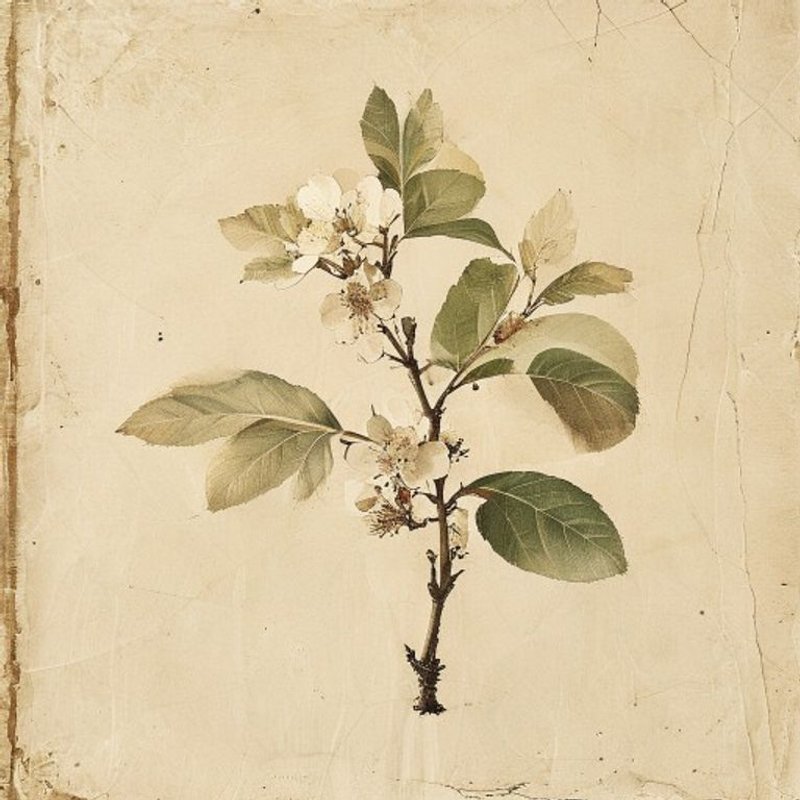
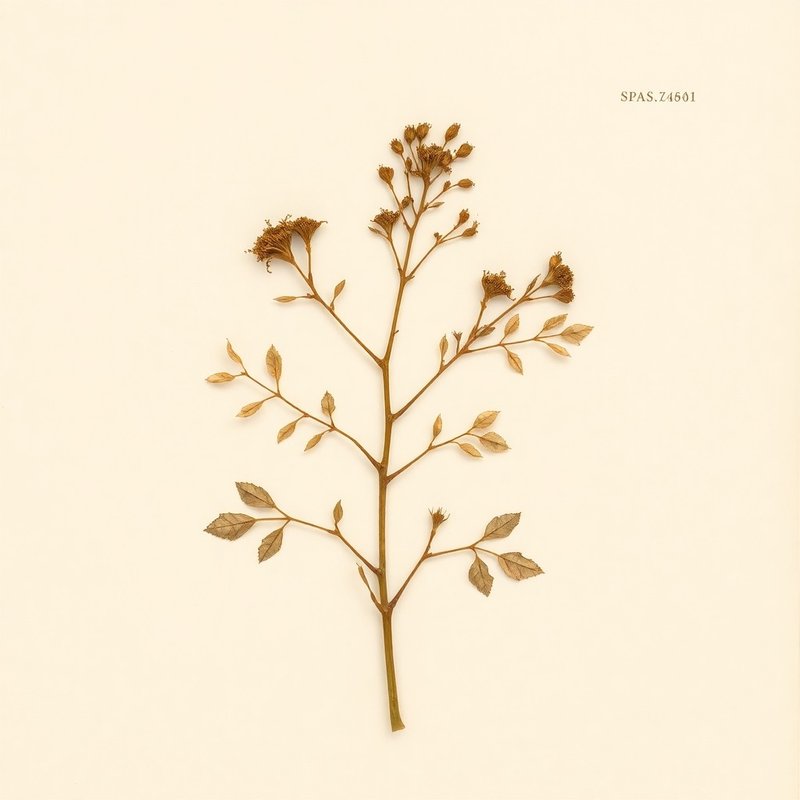
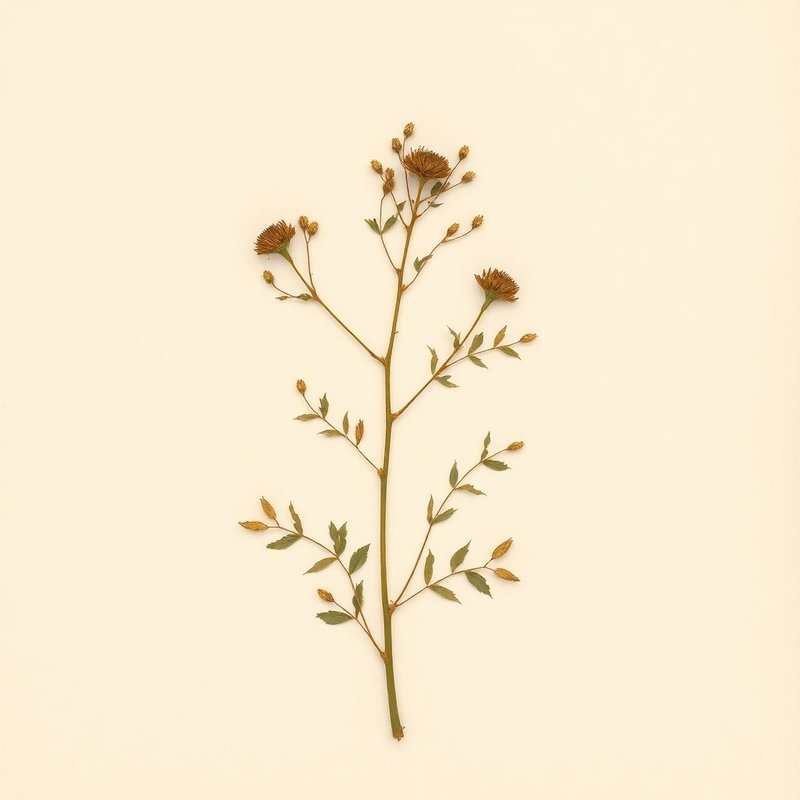
8 relatedPlants you might compare or use together — scored by shared family (Rosaceae), common use cases, and growing requirements.


Explore further
About this entry
- Last updated
- Citation
- How to cite this entry · Submit a correction
Continue reading
Get archive updates
Occasional email when substantial new content lands — plant profiles, seasonal growing notes, folk-remedy additions. Free, no tracking, unsubscribe anytime.