
Rubus caudatus
Rubus caudatusfam. Rosaceae
Educational content — not medical, botanical, or professional advice. Always consult a qualified clinician before using any herbal preparation — especially during pregnancy, breastfeeding, while on medication, or for children. How we source & review →

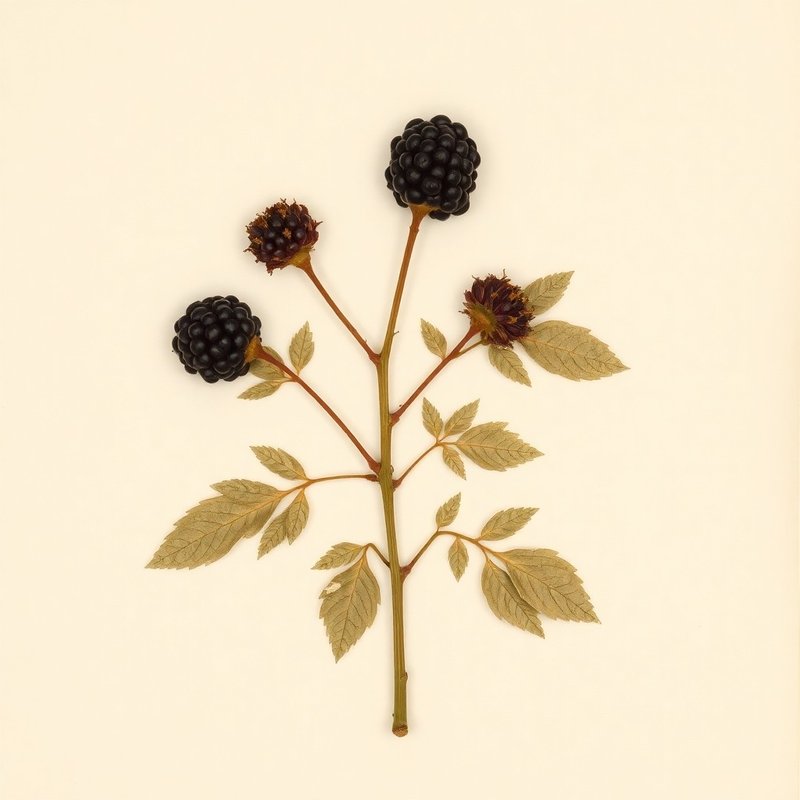
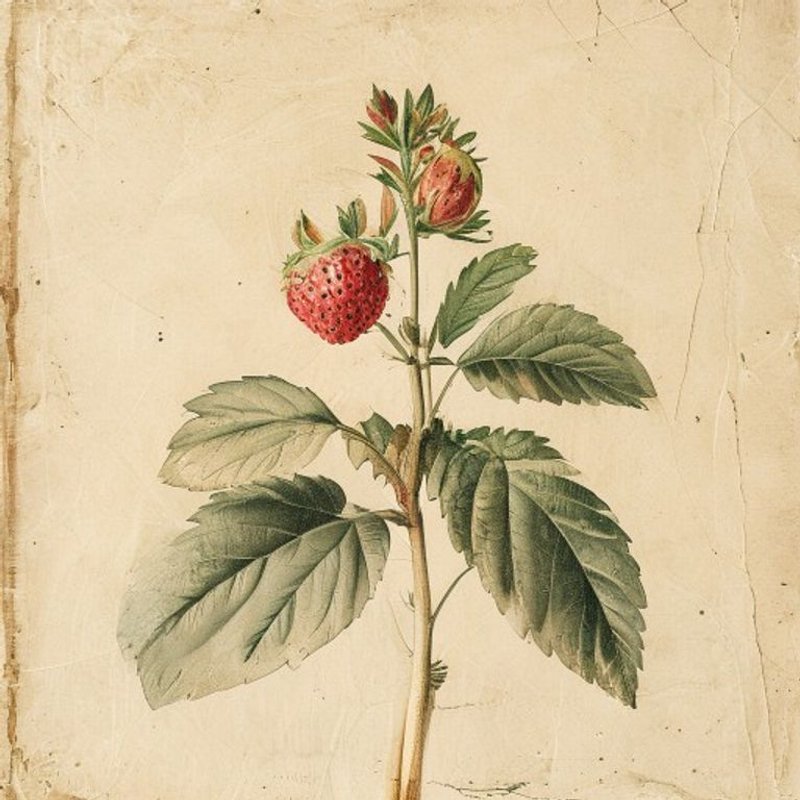
Pl. DD55 — Rubus caudatus
Rubus caudatusRubus caudatusRubus caudatusRubus caudatusRubus caudatusRubus caudatusRubus caudatusRubus caudatusRubus caudatusRubus caudatusRubus caudatusRubus caudatusRubus caudatusRubus caudatus
IOverview
Overview
Rubus caudatus, commonly known as the climbing raspberry or Alaska raspberry, belongs to the Rosaceae family and is native to regions including Alaska, Altay, Amur, Arizona, British Columbia, Buryatiya, California, and various parts of China. This subshrub thrives in moist conditions with a preference for light soil types such as sandy, medium, or clay, making it adaptable to diverse environments. Known both for its edible fruit and documented medicinal uses, R. caudatus is valued for its ability to grow in partial sun to full sun, thriving in soil pH levels ranging from 5 to 7.5. Its distinctive feature lies in its climbing habit, allowing it to spread over other plants or structures, while also producing fruit that can be enjoyed fresh or used in various culinary applications.
Quick answers
What is Rubus caudatus?
Rubus caudatus, commonly known as the climbing raspberry or Alaska raspberry, belongs to the Rosaceae family and is native to regions including Alaska, Altay, Amur, Arizona, British Columbia, Buryatiya, California, and various parts of China.
IV·bMixology suggestions
1 draft
Mixology suggestions
1 draftEditorial drafts. These pairings are AI-suggested from traditional herbal lore. Always verify with a qualified herbalist before brewing.
Rubus caudatus support blend
generaltea
AI returned a direct ingredient list; normalized into one draft blend for editorial review.
Growingconditions · propagation · uses
VCultivation
Cultivation
Rubus caudatus thrives in full to partial sun and prefers moist, well-draining soil of medium consistency. It is adaptable to a range of soil types including light (sandy), medium, and heavy (clay). For best results, maintain a soil pH between 5 and 7.5. This subshrub is hardy in temperate regions and can be propagated through cuttings or division. The edible fruit is the main part used.
Light
Full sun, Partial sun/shade
Water
Moist
Soil
Light (sandy), Medium, Heavy (clay)
Habit
Subshrub
Soil pH
5–7.5
For first-time growers
How to grow Rubus caudatus for the first time
8steps
Start with a simple and light approach to growing Skip, focusing on basic care.
- 1
What you'll need
A small patch of garden space or a large container, seeds or young plants, good quality potting soil if using containers.
- 2
Best time to plant
Plant Skip in early spring when the ground is workable and before new growth starts.
- 3
Soil and container prep
Ensure the soil is well-draining with a pH between 5 and 7.5, either in your garden or in a pot filled with a mix of light, medium, and heavy soils.
- 4
Sowing or transplanting
Direct sow seeds outdoors after any danger of frost has passed, or start young plants indoors about six weeks before the last expected frost.
- 5
First two weeks
Keep the soil consistently moist but not waterlogged. Provide light shade if direct sunlight is intense.
- 6
Ongoing care
Water regularly to keep the soil moist, especially during dry spells. Mulch around the plants to retain moisture and suppress weeds.
- 7
Harvest or pruning
Prune back old growth in late winter before new growth starts to encourage healthy fruit production.
- 8
Common mistakes
Overwatering, planting in heavy clay soil without proper drainage, neglecting to prune old growth.
VIEdible & utility
Edible & utility
Edible parts:Fruit
Edible uses: The fruit of Rubus caudatus is edible and can be eaten raw or used in various preparations. It thrives in light to partial sun with moist conditions and grows well in a variety of soil types with a pH between 5 and 7.5.
Other uses:Dye
Contextrange · companions · related
VIIDistribution
30 native · 0 introduced
Distribution
30 native · 0 introducedDistribution across3 continents· 30 native
Europe1 region
native (1)Russia
Asia1 region
native (1)China
Americas1 region
native (1)United States
Broader regions
native:Altay, Amur, Arizona, British Columbia, Buryatiya, California, Chita, Colorado, Connecticut, Delaware, District of Columbia, Idaho, Illinois, Indiana, Iowa, Irkutsk, Khabarovsk, Krasnoyarsk, Labrador, Magadan, Maine, Manitoba, Maryland, Masachusettes, Mexico Gulf
IXSpecimen gallery
1 image
Specimen gallery
1 imageXSee also
8 related
See also
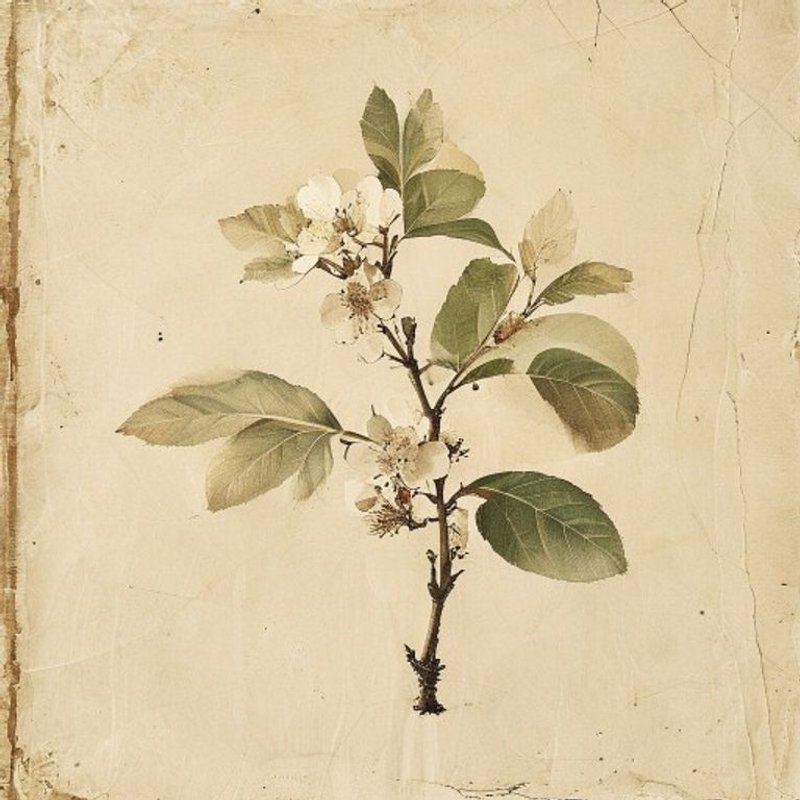
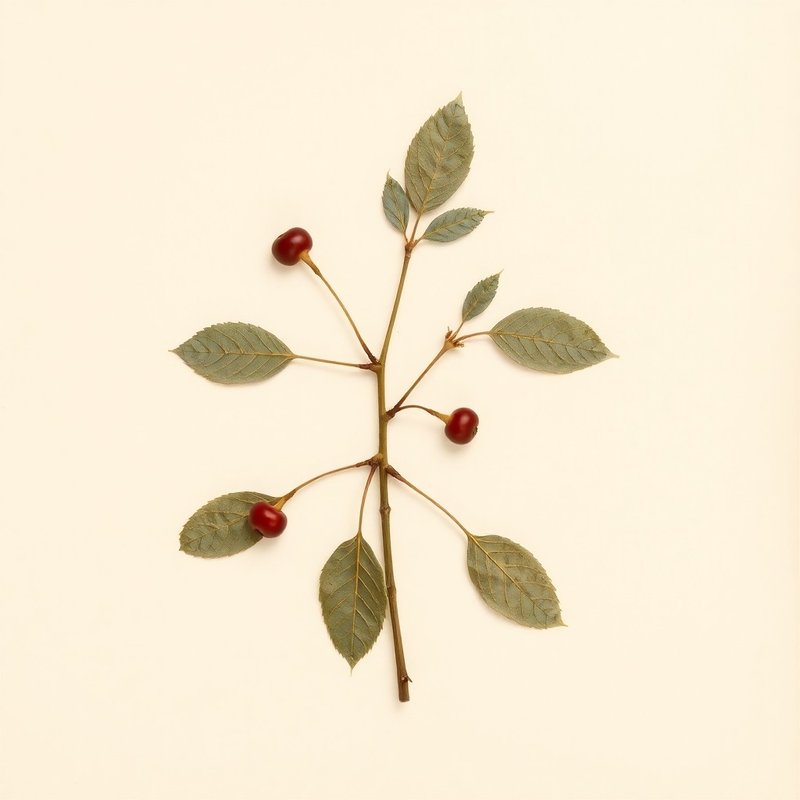
8 relatedPlants you might compare or use together — scored by shared family (Rosaceae), common use cases, and growing requirements.
same family · Rosaceae
Botanical relatives — often share phytochemistry + growing needs.


XI
Explore further
Companion planting
Compare with similar plants
XII
About this entry
- Last updated
- Citation
- How to cite this entry · Submit a correction
Back to the cataloguePlant id · dd559444-0088-48a6-b101-cd47c7f94f58
Decision aid
Choosing between Rubus caudatus and something else?
Continue reading
❦❦❦❦
Endpaper · archive updates
Get archive updates
Occasional email when substantial new content lands — plant profiles, seasonal growing notes, folk-remedy additions. Free, no tracking, unsubscribe anytime.