
White-stemmed bramble
Rubus cockburnianusfam. Rosaceae
Educational content — not medical, botanical, or professional advice. Always consult a qualified clinician before using any herbal preparation — especially during pregnancy, breastfeeding, while on medication, or for children. How we source & review →
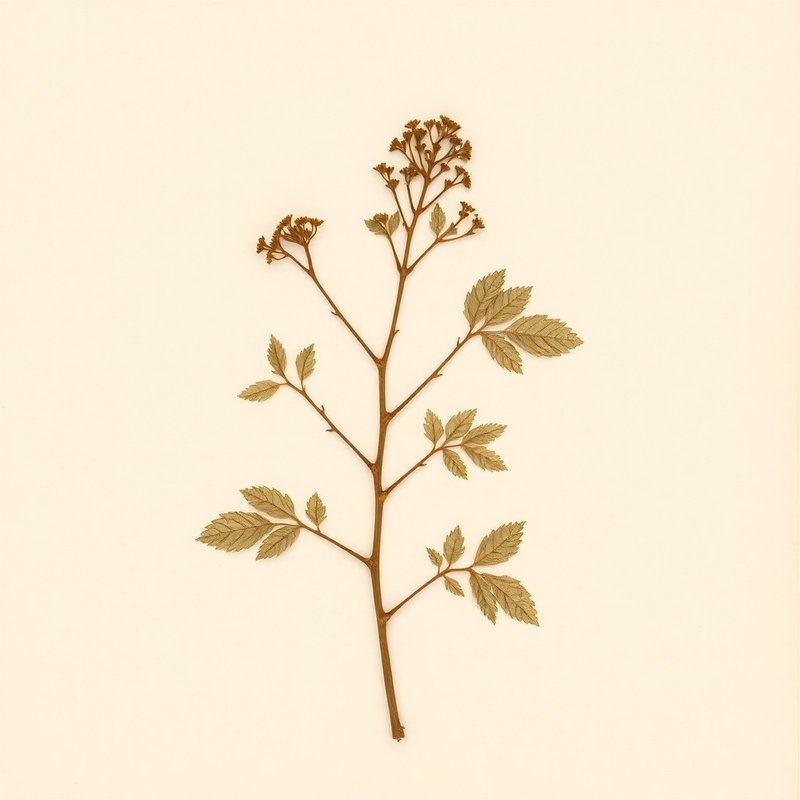
Pl. 53C1 — Rubus cockburnianus
Rubus cockburnianusRubus cockburnianusRubus cockburnianusRubus cockburnianusRubus cockburnianusRubus cockburnianusRubus cockburnianusRubus cockburnianusRubus cockburnianusRubus cockburnianusRubus cockburnianusRubus cockburnianusRubus cockburnianusRubus cockburnianus
IOverview
Overview
The White-stemmed bramble (Rubus cockburnianus) is a member of the Rosaceae family and is native to China's central and southeastern regions as well as Tibet. This deciduous shrub can grow up to 3 meters in height and thrives in light to partial shade, with moist soil that ranges from light sandy to heavy clay. It is hardy in zones 5-9 and is known for its edible fruit, which makes it a valuable addition to gardens or wild areas where it can be found. Additionally, the plant has documented medicinal uses, making it a versatile species both for consumption and traditional herbal remedies. Its distinctive white stems set it apart from other brambles, adding an ornamental value to landscapes.
Quick answers
What is White-stemmed bramble?
The White-stemmed bramble (Rubus cockburnianus) is a member of the Rosaceae family and is native to China's central and southeastern regions as well as Tibet. This deciduous shrub can grow up to 3 meters in height and thrives in light to partial shade, with moist soil that ranges from light sandy to heavy clay.
IV·bMixology suggestions
1 draft
Mixology suggestions
1 draftEditorial drafts. These pairings are AI-suggested from traditional herbal lore. Always verify with a qualified herbalist before brewing.
White-stemmed bramble support blend
generaltea
AI returned a direct ingredient list; normalized into one draft blend for editorial review.
Growingconditions · propagation · uses
VCultivation
Cultivation
White-stemmed bramble thrives in full sun to partial shade and requires moist soil that can be light (sandy), medium, or heavy (clay). It is hardy in zones 5-9 and grows up to 3 meters tall. Propagate through suckers or by seed. Fruit production makes this plant a valuable addition to the garden.
Light
Full sun, Partial sun/shade
Water
Moist
Soil
Light (sandy), Medium, Heavy (clay)
Hardiness
5-9
Mature size
3.0 m tall
For first-time growers
How to grow White-stemmed bramble for the first time
8steps
Start with planting White-stemmed bramble in a sunny spot and follow these steps for success.
- 1
What you'll need
A young plant or seeds, garden gloves, a trowel, and a watering can.
- 2
Best time to plant
Plant in early spring or late fall when the soil is moist but not waterlogged.
- 3
Soil and container prep
Ensure the soil is well-draining with a pH between 6.0 and 7.5, and prepare containers if needed.
- 4
Sowing or transplanting
Transplant young plants in early spring or sow seeds indoors about 12 weeks before planting outside.
- 5
First two weeks
Water the plant regularly to keep the soil moist but not soggy, and protect from extreme weather.
- 6
Ongoing care
Provide full sun to partial shade, water when the top inch of soil feels dry, and mulch around the base for moisture retention.
- 7
Harvest or pruning
Prune in late winter before new growth starts to encourage fruiting and maintain plant health.
- 8
Common mistakes
Overwatering, planting in heavy clay soil, neglecting winter protection, and not providing enough sunlight.
VIEdible & utility
Edible & utility
Edible parts:Fruit
Edible uses: The fruit of the white-stemmed bramble is edible and can be eaten fresh or used in various preparations. It is commonly consumed raw but can also be dried for later use. Skip
Other uses:Dye
Contextrange · companions · related
VIIDistribution
4 native · 1 introduced
Distribution
4 native · 1 introducedDistribution across2 continents· 4 native· 1 introduced
Europe1 region
introduced (1)United Kingdom
Asia1 region
native (1)China
IXSpecimen gallery
1 image
Specimen gallery
1 imageXSee also
8 related
See also
8 relatedPlants you might compare or use together — scored by shared family (Rosaceae), common use cases, and growing requirements.
same family · Rosaceae
Botanical relatives — often share phytochemistry + growing needs.

XI
Explore further
Companion planting
Compare with similar plants
Growing zone
XII
About this entry
- Last updated
- Citation
- How to cite this entry · Submit a correction
Back to the cataloguePlant id · 53c10337-5eb2-425d-860b-2309671b1509
Decision aid
Choosing between White-stemmed bramble and something else?
Continue reading
❦❦❦❦
Endpaper · archive updates
Get archive updates
Occasional email when substantial new content lands — plant profiles, seasonal growing notes, folk-remedy additions. Free, no tracking, unsubscribe anytime.