
Sawtooth blackberry
Rubus louisianusfam. Rosaceae
Educational content — not medical, botanical, or professional advice. Always consult a qualified clinician before using any herbal preparation — especially during pregnancy, breastfeeding, while on medication, or for children. How we source & review →
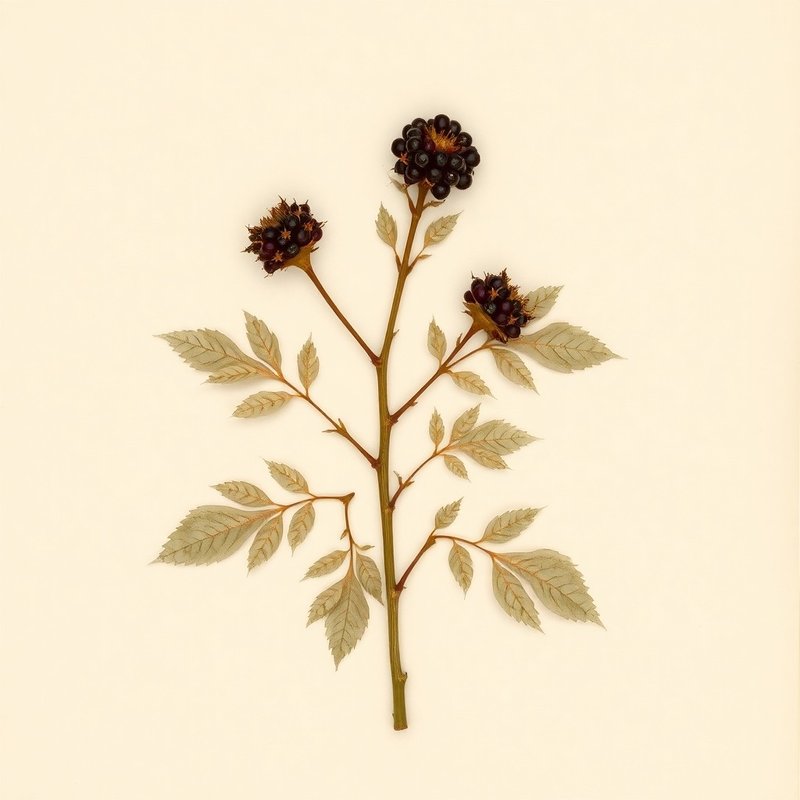
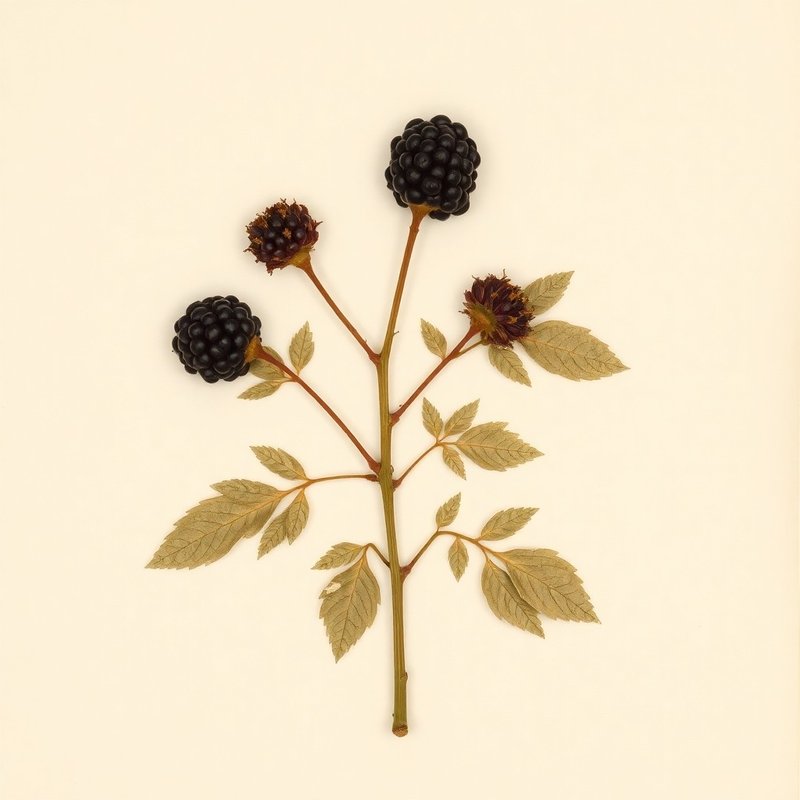
Pl. 50EB — Rubus louisianus
Rubus louisianusRubus louisianusRubus louisianusRubus louisianusRubus louisianusRubus louisianusRubus louisianusRubus louisianusRubus louisianusRubus louisianusRubus louisianusRubus louisianusRubus louisianusRubus louisianus
IOverview
Overview
Sawtooth blackberry (Rubus louisianus) is a deciduous shrub native to the eastern United States, ranging from Alabama and Arkansas to Virginia and West Virginia. Known for its edible and medicinal properties, this plant thrives in moist, light to medium soil and can tolerate partial sun to full shade. It grows up to 2 meters tall and is hardy in zones 7-10. The fruit of the sawtooth blackberry is prized for its use in jams, pies, and other culinary applications. Additionally, it has been used traditionally for medicinal purposes, though specific uses are not detailed here. Its distinctive feature lies in its serrated leaves and thorny stems, which give it a unique appearance among other blackberries.
Quick answers
What is Sawtooth blackberry?
Sawtooth blackberry (Rubus louisianus) is a deciduous shrub native to the eastern United States, ranging from Alabama and Arkansas to Virginia and West Virginia. Known for its edible and medicinal properties, this plant thrives in moist, light to medium soil and can tolerate partial sun to full shade.
IV·bMixology suggestions
1 draft
Mixology suggestions
1 draftEditorial drafts. These pairings are AI-suggested from traditional herbal lore. Always verify with a qualified herbalist before brewing.
Sawtooth Soothe
stresstincture
Traditional use for calming effects.
Growingconditions · propagation · uses
VCultivation
Cultivation
Sawtooth blackberry thrives in full to partial sun and prefers moist soil that is light (sandy), medium, or heavy (clay). It grows best in USDA hardiness zones 7-10 and can reach a height of 2 meters. For cultivation, ensure the soil remains consistently moist and provide ample sunlight for optimal fruit production. Propagation can be done through cuttings or division.
Light
Full sun, Partial sun/shade
Water
Moist
Soil
Light (sandy), Medium, Heavy (clay)
Hardiness
7-10
Mature size
2.0 m tall
For first-time growers
How to grow Sawtooth blackberry for the first time
8steps
Start with a simple, light-loving blackberry plant for your first gardening experience.
- 1
What you'll need
A sawtooth blackberry plant, garden gloves, and a trowel.
- 2
Best time to plant
Plant in early spring or late fall when the soil is moist but not waterlogged.
- 3
Soil and container prep
Ensure the soil is well-draining with a pH between 6.0 and 7.0, and prepare a spot that gets full to partial sun.
- 4
Sowing or transplanting
Transplant your sawtooth blackberry plant into a prepared hole slightly larger than its root ball.
- 5
First two weeks
Water the plant regularly, keeping the soil moist but not soggy. Mulch around the base to retain moisture.
- 6
Ongoing care
Prune in late winter or early spring to remove dead canes and thin out crowded areas for better air circulation.
- 7
Harvest or pruning
Wait until summer when the fruit is ripe, then gently pick the berries. Prune after harvest to maintain plant health.
- 8
Common mistakes
Overwatering, not providing enough sunlight, and neglecting winter pruning are common issues.
VIEdible & utility
Edible & utility
Edible parts:Fruit
Edible uses: The sawtooth blackberry's fruit is edible and can be enjoyed fresh or used in various preparations. It is commonly eaten raw but can also be cooked into jams, jellies, or pies. The fruits can also be dried for later use. Skip the invention of specific recipes; these notes cover the basic uses of its fruit.
Other uses:Dye
Contextrange · companions · related
VIIDistribution
27 native · 3 introduced
Distribution
27 native · 3 introducedDistribution across2 continents· 27 native· 3 introduced
Asia2 regions
native (1)Georgia
introduced (1)Japan
Americas1 region
introduced (1)United States
Broader regions
native:Pennsylvania, Alabama, Arkansas, Connecticut, Delaware, Florida, Illinois, Indiana, Kentucky, Louisiana, Maine, Maryland, Mississippi, Missouri, North Carolina, Ohio, Oklahoma, Rhode I., Masachusettes, New Jersey, Massachusetts, South Carolina, Tennessee, Texas, Virginia, West Virginia
introduced:New Zealand North
IXSpecimen gallery
1 image
Specimen gallery
1 imageXSee also
8 related
See also
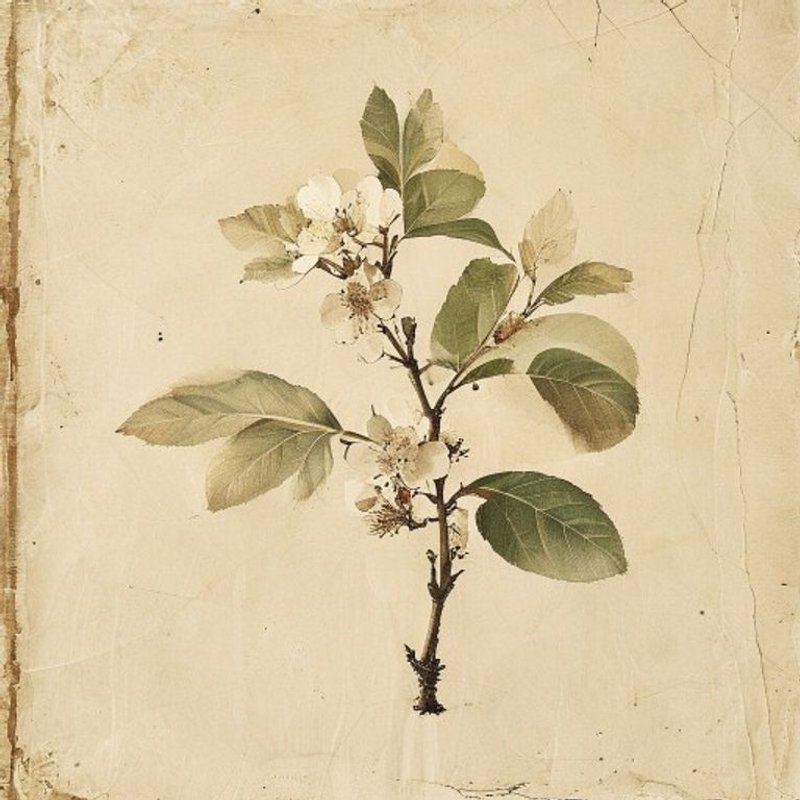
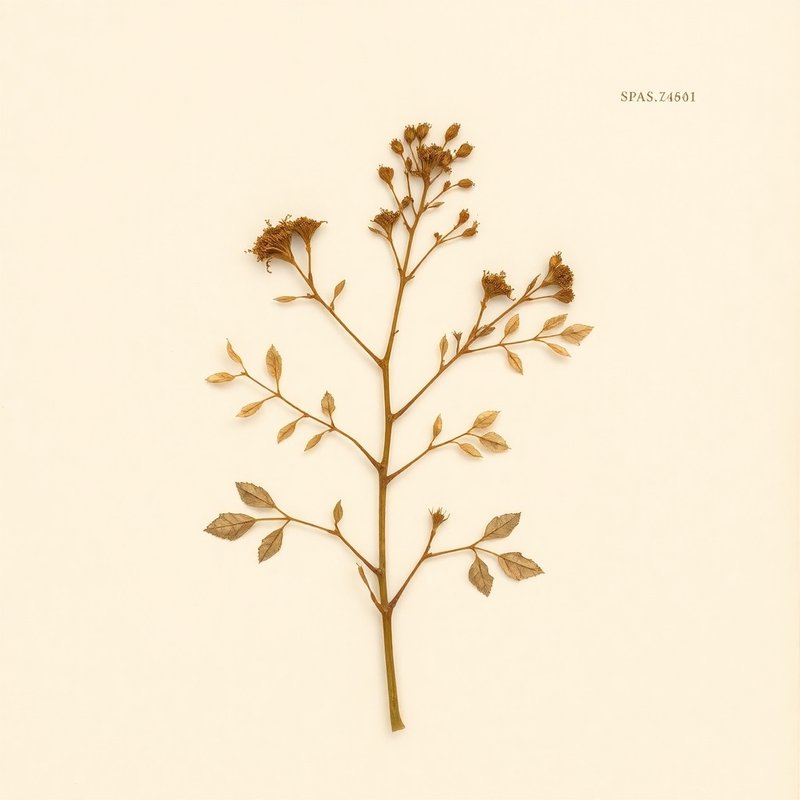
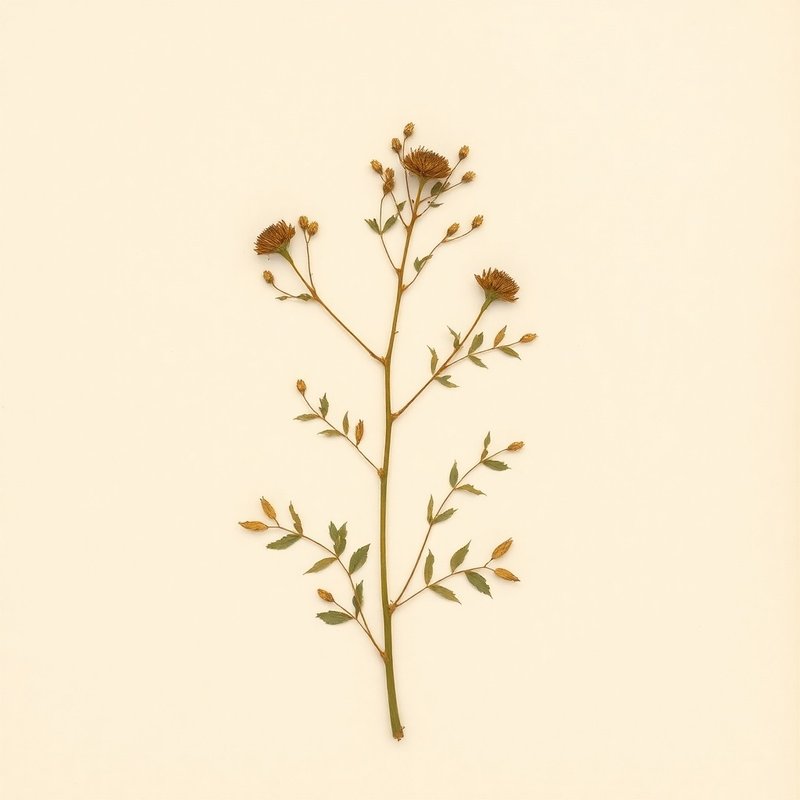
8 relatedPlants you might compare or use together — scored by shared family (Rosaceae), common use cases, and growing requirements.
same family · Rosaceae
Botanical relatives — often share phytochemistry + growing needs.


XI
Explore further
Companion planting
Compare with similar plants
Growing zone
XII
About this entry
- Last updated
- Citation
- How to cite this entry · Submit a correction
Back to the cataloguePlant id · 50eb52aa-422b-4ff8-b8ba-b0749d83a7f9
Decision aid
Choosing between Sawtooth blackberry and something else?
Continue reading
❦❦❦❦
Endpaper · archive updates
Get archive updates
Occasional email when substantial new content lands — plant profiles, seasonal growing notes, folk-remedy additions. Free, no tracking, unsubscribe anytime.