
sour dock
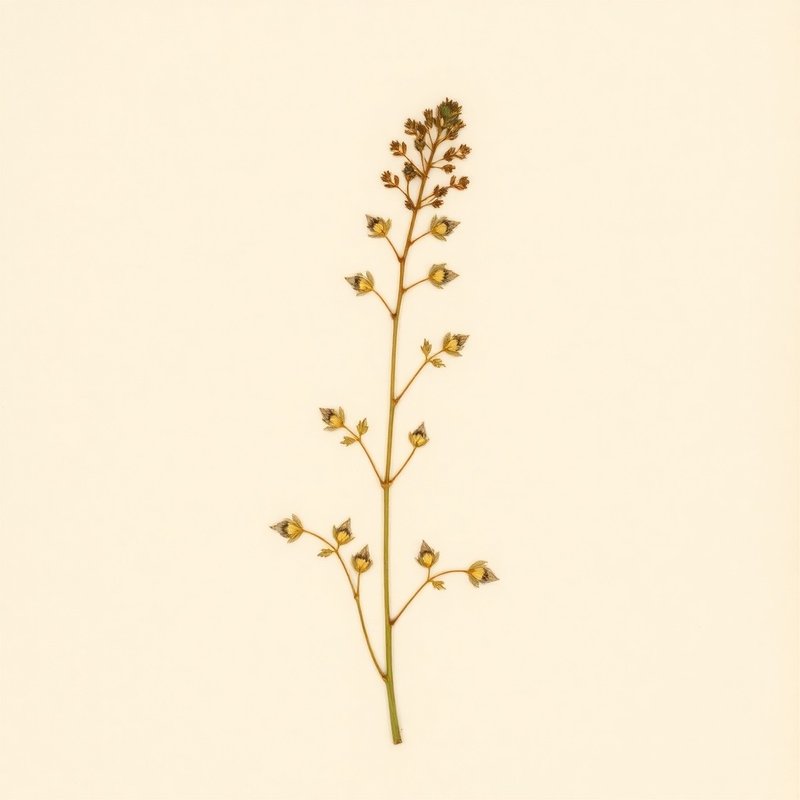
IOverview
Overview
Rumex daiwoo, commonly known as sour dock, is a perennial plant native to Japan and has been introduced to several East African countries including Burundi, Congo, Kenya, Malawi, Rwanda, Tanzania, and Uganda. This plant thrives in moist to wet environments and can grow up to 1 meter tall, thriving in light or partial sun exposure. Sour dock is valued both for its edible leaves and seeds, which can be consumed raw in salads or cooked as a vegetable. The seeds can also be used in various culinary applications, though specific preparation methods are not detailed here. The plant is known for its medicinal properties and is used for dyeing and pest control. Its adaptability to various soil types, including light (sandy), medium, and heavy (clay), makes it a versatile addition to gardens and landscapes. While sour dock is generally safe, caution should be exercised when using it for medicinal purposes, as individual reactions may vary. This plant is native to Japan and has been introduced to other regions, thriving in moist, wet environments and adapting to light or partial sun exposure. Its leaves and seeds are edible and can be used in salads or as a cooked vegetable, and the seeds can be incorporated into various culinary applications.
What is sour dock?
Rumex daiwoo, commonly known as sour dock, is a perennial plant native to Japan and has been introduced to several East African countries including Burundi, Congo, Kenya, Malawi, Rwanda, Tanzania, and Uganda.
IV·bMixology suggestions
1 draft
Mixology suggestions
1 draftVCultivation
Cultivation
How to grow sour dock for the first time
Start with sour dock as a simple, low-maintenance perennial for your garden.
- 1
What you'll need
A small sour dock plant or seeds, a trowel, and mulch.
- 2
Best time to plant
Plant in spring after the last frost or in early fall.
- 3
Soil and container prep
Choose a spot with light to partial sun. Ensure soil is moist, well-draining, and rich in organic matter.
- 4
Sowing or transplanting
Transplant young plants 30 cm apart. Sow seeds directly into the ground, covering them lightly.
- 5
First two weeks
Keep soil consistently moist. Water daily until plants are established.
- 6
Ongoing care
Water regularly to keep soil moist but not waterlogged. Mulch around plants to retain moisture and suppress weeds.
- 7
Harvest or pruning
Prune spent flowers to encourage new growth and maintain plant shape. Harvest leaves as needed, taking only a few from each plant.
VIEdible & utility
Edible & utility
VIIDistribution
10 native · 0 introduced
Distribution
10 native · 0 introducedIXSpecimen gallery
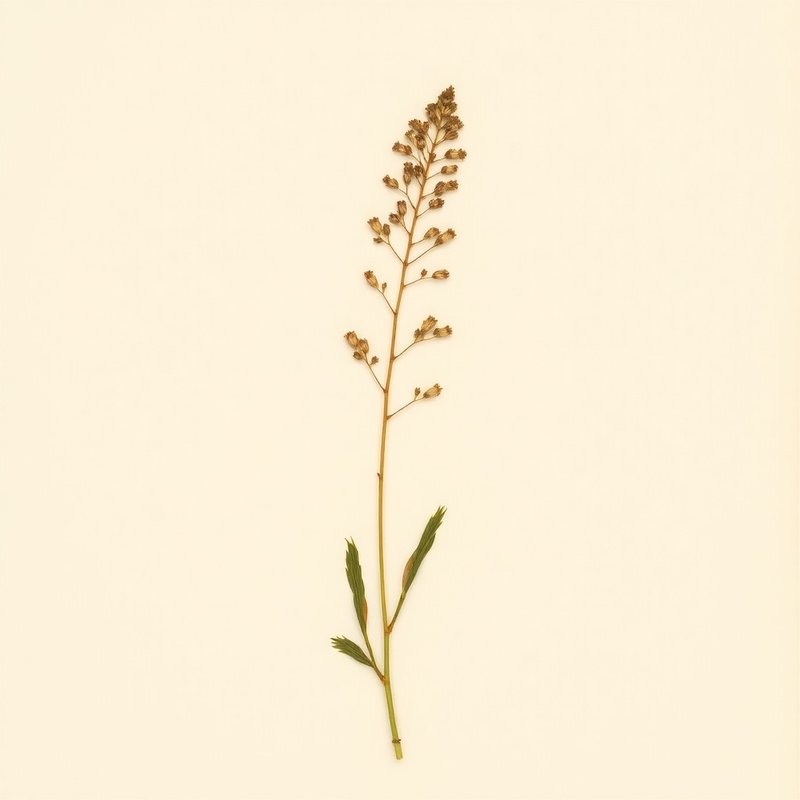
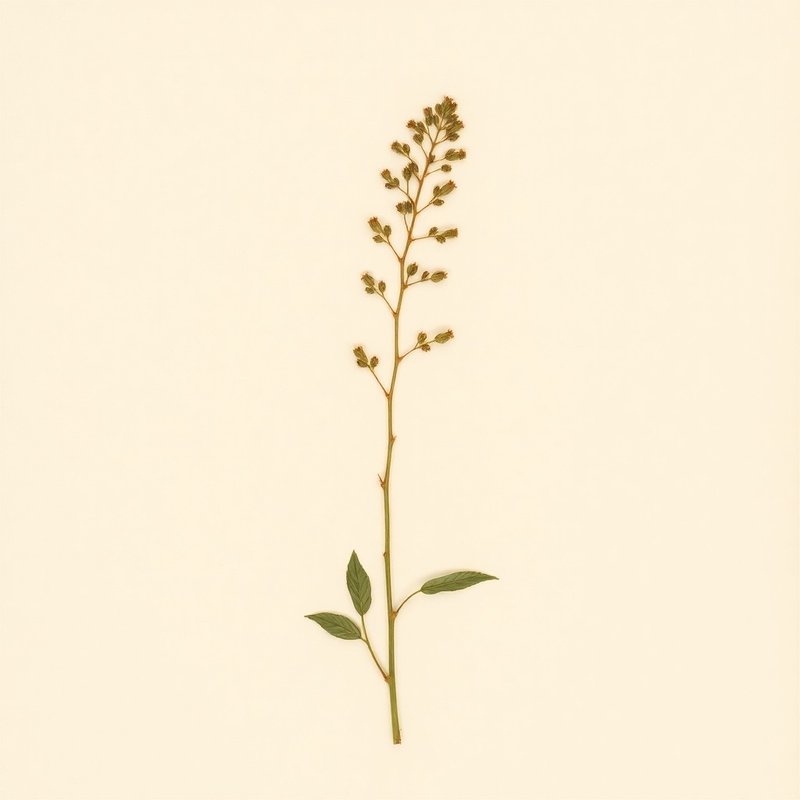
1 image
Specimen gallery
1 imageXSee also
8 related
See also
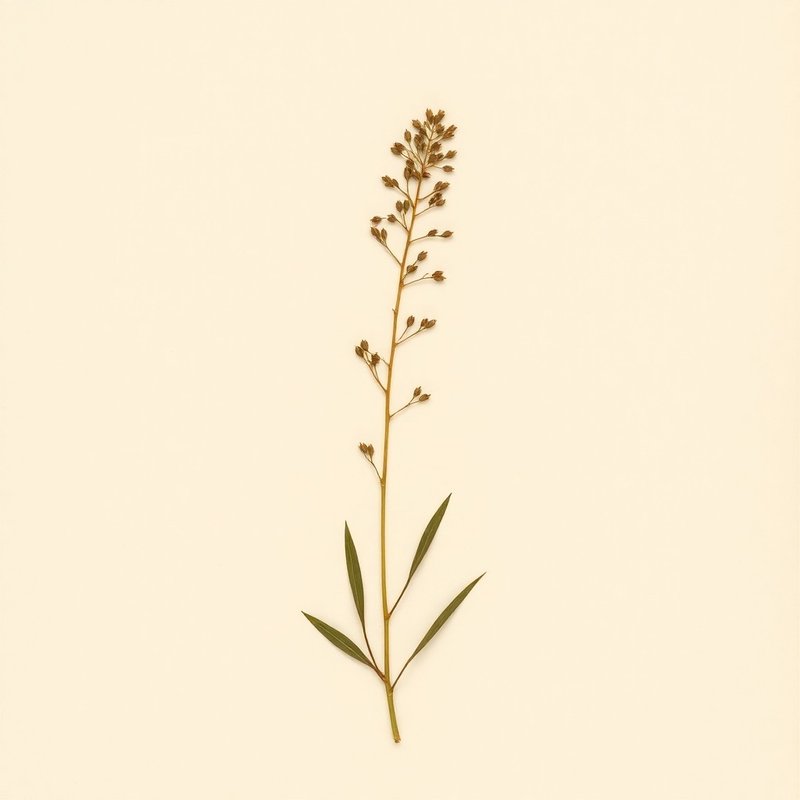
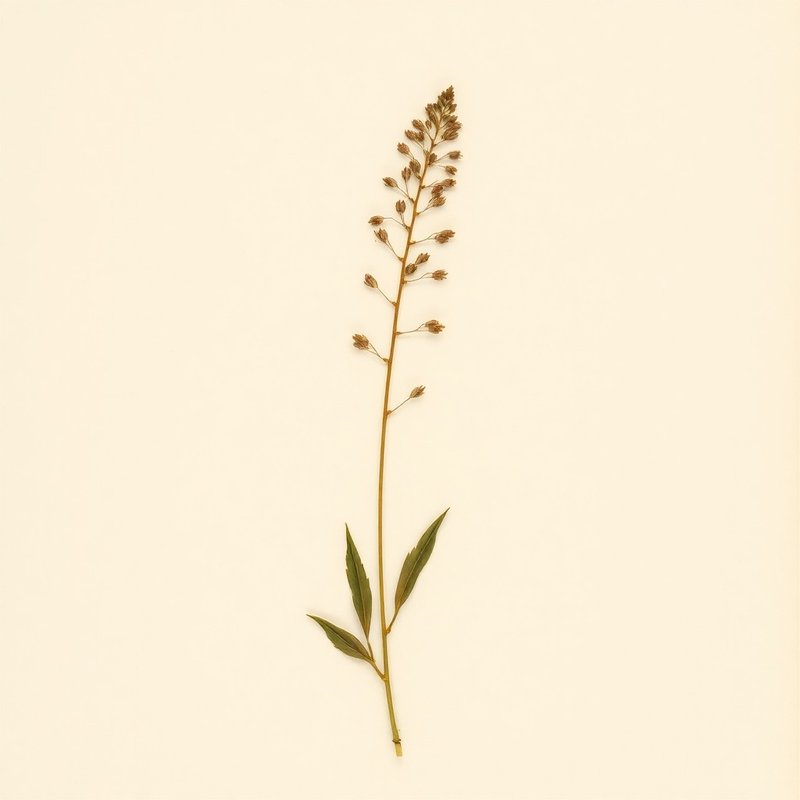
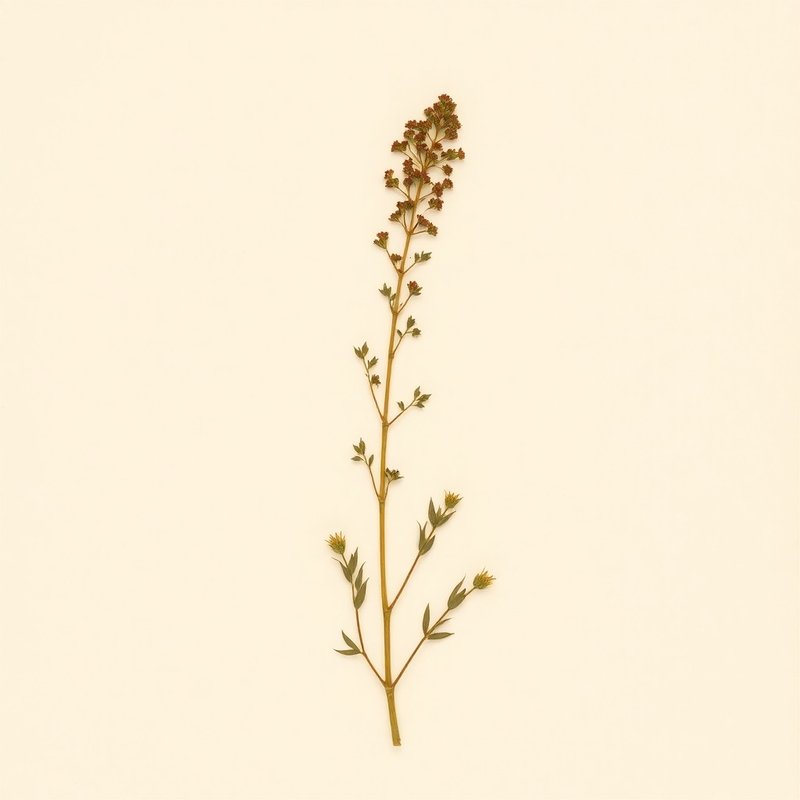
8 relatedPlants you might compare or use together — scored by shared family (Polygonaceae), common use cases, and growing requirements.


Explore further
About this entry
- Last updated
- Citation
- How to cite this entry · Submit a correction
Continue reading
Get archive updates
Occasional email when substantial new content lands — plant profiles, seasonal growing notes, folk-remedy additions. Free, no tracking, unsubscribe anytime.