
Skip to content
IIIFolio · plant profile№ B087edible
Data provenancePermapeopleTreflePFAFreviewed 13 Oct 2026methodology → read

Sagittaria sagittifolia leucopetala
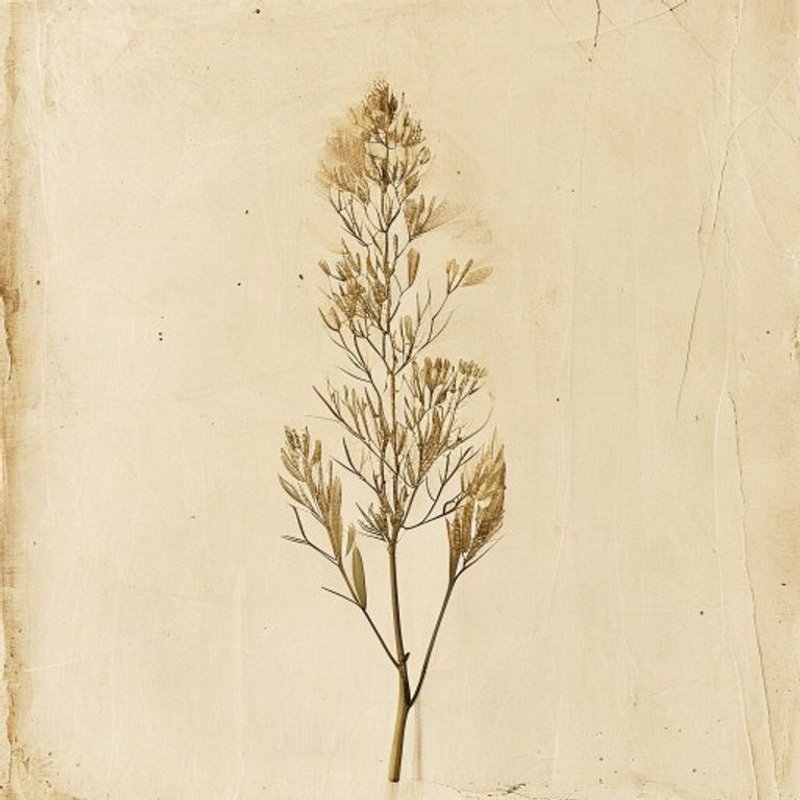
Sagittaria sagittifolia leucopetala
Educational content — not medical, botanical, or professional advice. Plant identification, safety, and edibility depend on local conditions, cultivars, and correct identification. Consult a qualified botanist or forager before consuming or handling wild specimens. How we source & review →
Updated·Quick Q&A →
Garden journal pausedUse profile notes below
Sagittaria sagittifolia leucopetala (Sagittaria sagittifolia leucopetala) — botanical photograph
Pl. B087 — Sagittaria sagittifolia leucopetala
Sagittaria sagittifolia leucopetalaSagittaria sagittifolia leucopetalaSagittaria sagittifolia leucopetalaSagittaria sagittifolia leucopetalaSagittaria sagittifolia leucopetalaSagittaria sagittifolia leucopetalaSagittaria sagittifolia leucopetalaSagittaria sagittifolia leucopetalaSagittaria sagittifolia leucopetalaSagittaria sagittifolia leucopetalaSagittaria sagittifolia leucopetalaSagittaria sagittifolia leucopetalaSagittaria sagittifolia leucopetalaSagittaria sagittifolia leucopetala
I

Overview

Sagittaria sagittifolia leucopetala is a perennial plant that thrives in light to medium soil types, including sandy, loamy, or clay soils, with a preference for wet environments such as water gardens and bog areas. Native to regions like Afghanistan, China North-Central, and Bangladesh, this species can grow up to 1 meter tall. The leaves and roots of S. sagittifolia leucopetala are edible; the leaves can be eaten raw or cooked, while the roots are typically dug up and boiled before consumption. Both parts are often prepared in soups or stews due to their watery environment. This plant is valued for its adaptability to various soil conditions and its culinary uses. While not medicinal, it serves as a useful addition to gardens and provides food sources in its native range.

Quick answers

What is Sagittaria sagittifolia leucopetala?

Sagittaria sagittifolia leucopetala is a perennial plant that thrives in light to medium soil types, including sandy, loamy, or clay soils, with a preference for wet environments such as water gardens and bog areas.

Growingconditions · propagation · uses
V

Cultivation

Sagittaria sagittifolia leucopetala thrives in full sun to partial shade and requires wet conditions, making it ideal for water gardens or bog areas. It prefers light, medium, or heavy soil types and can grow up to 1 meter tall. This perennial plant is hardy in temperate regions and can be propagated through division of the rhizomes. Edible parts include leaves and roots, which are often used in culinary applications.
Light
Full sun, Partial sun/shade
Water
Wet, Water
Soil
Light (sandy), Medium, Heavy (clay)
Life cycle
Perennial
Mature size
1.0 m tall
For first-time growers

How to grow Sagittaria sagittifolia leucopetala for the first time

8steps

Start with a simple setup to grow Sagittaria sagittifolia leucopetala as an easy-to-care-for plant.

  1. 1

    What you'll need

    A container, potting soil, and the Sagittaria sagittifolia leucopetala plants.

  2. 2

    Best time to plant

    Plant in spring or early summer when temperatures are mild.

  3. 3

    Soil and container prep

    Use a container with good drainage holes. Fill it with light, medium, or heavy soil depending on your preference.

  4. 4

    Sowing or transplanting

    Transplant the Sagittaria sagittifolia leucopetala directly into the container, ensuring roots are covered and leaves are above the soil.

  5. 5

    First two weeks

    Keep the plant in a partially shaded area to acclimate. Water regularly to keep the soil moist but not waterlogged.

  6. 6

    Ongoing care

    Place the container in full sun or partial shade, depending on your local climate. Keep the soil consistently moist and fertilize lightly every few months.

  7. 7

    Harvest or pruning

    Prune any dead or yellowing leaves to maintain a healthy appearance. Harvest young leaves for culinary use if desired.

  8. 8

    Common mistakes

    Overwatering, planting in full sun, and neglecting to prune are common issues beginners should avoid.

VI

Edible & utility

Edible parts:LeavesRoot
Edible uses: The leaves and roots of Sagittaria sagittifolia leucopetala are edible. The leaves can be eaten raw or cooked, while the roots are typically dug up and boiled before consumption. Both parts are often prepared in soups or stews due to their watery environment.
Contextrange · companions · related
VII

Distribution

43 native · 7 introduced
Distribution across3 continents· 43 native· 7 introduced
Europe2 regions
native (1)Russia
introduced (1)Ukraine
Asia19 regions
native (19)AfghanistanBangladeshCambodiaChinaIndiaIranIraqJapanKazakhstanLaosMyanmarNepalPakistanPhilippinesSouth KoreaTaiwanThailandUzbekistanVietnam
Oceania1 region
introduced (1)Fiji
Broader regions
native:Amur, Buryatiya, Chita, East Himalaya, Hainan, Khabarovsk, Kirgizstan, Krasnoyarsk, Malaya, Nansei-shoto, Nicobar Is., Primorye, Sulawesi, Sumatera, Tadzhikistan, Transcaucasus, West Himalaya
introduced:Borneo, Jawa, Marquesas, Society Is., Tubuai Is.
IX

Specimen gallery

1 image
Sagittaria sagittifolia leucopetala (Sagittaria sagittifolia leucopetala) — botanical photograph
Sagittaria sagittifolia leucopetala (Sagittaria sagittifolia leucopetala)
XI

Explore further

XII

About this entry

Last updated
Citation
How to cite this entry · Submit a correction
Back to the cataloguePlant id · b08779f8-ff98-4a83-a337-03373c2341cd
❦❦❦❦
Endpaper · archive updates

Get archive updates

Occasional email when substantial new content lands — plant profiles, seasonal growing notes, folk-remedy additions. Free, no tracking, unsubscribe anytime.

Newsletter returning soon.
We are rebuilding the update list around a lightweight editorial workflow. New dispatches will resume after the next content review cycle.
iCare notes