Skip to content
IIIFolio · plant profile№ E59Bmedicinal · edible
Data provenancePermapeopleTrefleWikipediaPFAFPOWOeditorially reviewedreviewed 21 Oct 2026methodology → read
Home/Plants/Salicaceae

Salix repens

Salix repensfam. Salicaceae
Educational content — not medical, botanical, or professional advice. Always consult a qualified clinician before using any herbal preparation — especially during pregnancy, breastfeeding, while on medication, or for children. How we source & review →
medicinaledibleshrubsedibleedible leafmedicinalnative amperennialshrubtree
Updated·Quick Q&A →
Garden journal pausedUse profile notes below
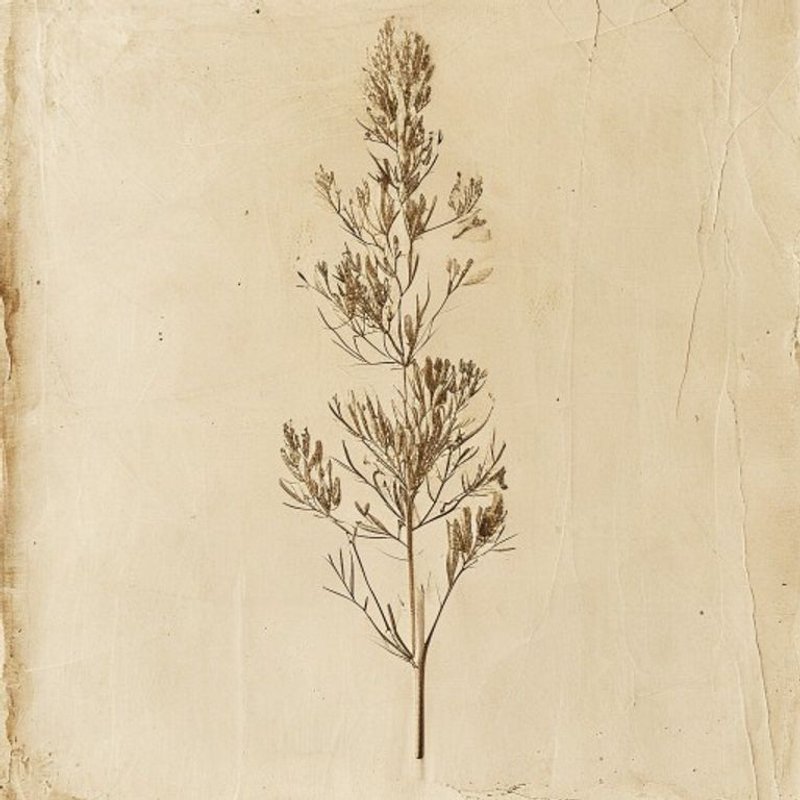
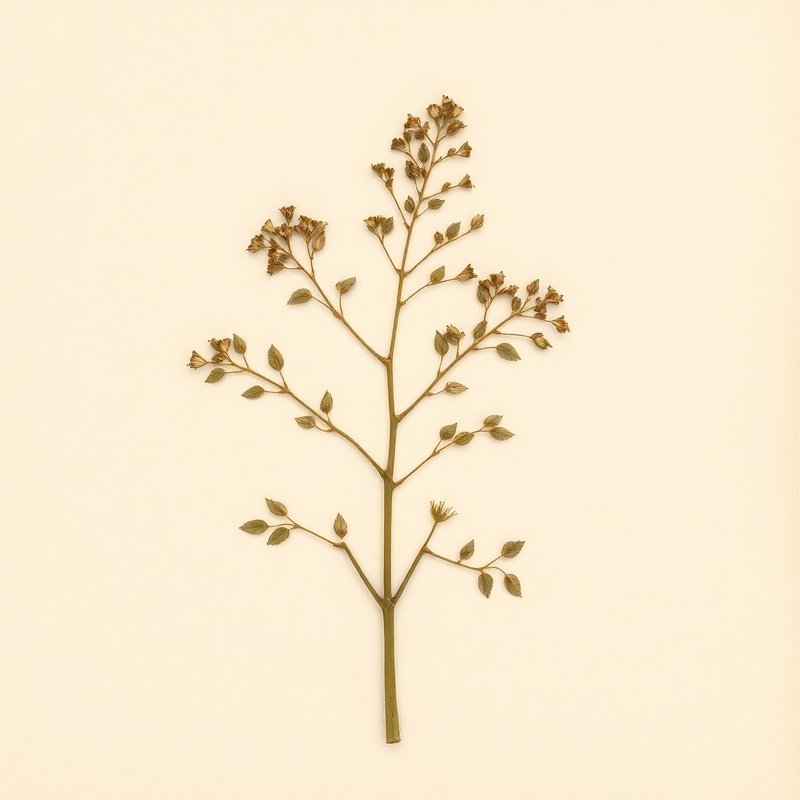
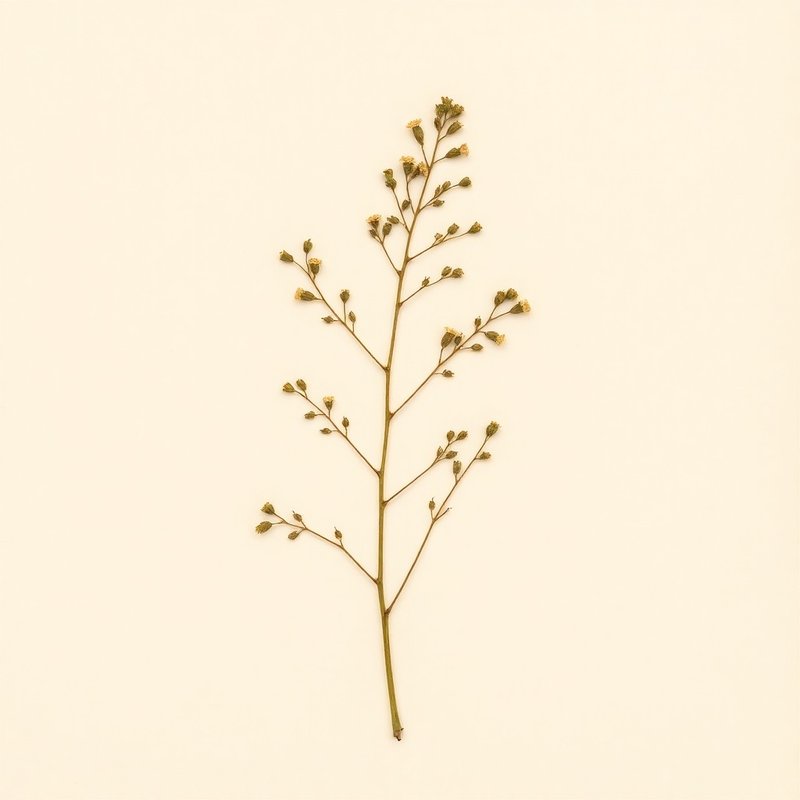
Salix repens (Salix repens) — botanical photograph
Pl. E59B — Salix repens
Salix repensSalix repensSalix repensSalix repensSalix repensSalix repensSalix repensSalix repensSalix repensSalix repensSalix repensSalix repensSalix repensSalix repens
I

Overview

Salix repens, commonly known as willow or carrion plant, is a deciduous shrub native to northeastern North America, including regions such as Labrador, Maine, New Hampshire, Newfoundland, Nunavut, and Québec. This hardy plant thrives in moist environments with light to partial sun exposure, making it adaptable to various soil types, including sandy, medium, and clay soils. Known for its edible inner bark, leaves, and shoots, S. repens has been utilized by indigenous communities for centuries. Its distinctive feature is a sprawling growth habit, often forming mats on the ground, which contributes to its ornamental value in certain landscapes. In addition to its edible uses, S. repens has several practical applications. It is known for its utility in erosion control and as a dynamic accumulator, helping to improve soil fertility. The plant also produces tannins, which can be used in various applications, including the production of dyes and leather tanning. Salix repens grows to a height of 1 meter and is hardy in zones 4-8. For cultivation, ensure the soil remains consistently damp. Propagate through inner bark, leaves, or shoots for new plants. Given its native range across temperate regions, it should adapt well to similar climates but may require protection from extreme cold.

Quick answers

What is Salix repens?

Salix repens, commonly known as willow or carrion plant, is a deciduous shrub native to northeastern North America, including regions such as Labrador, Maine, New Hampshire, Newfoundland, Nunavut, and Québec.

Compare with:Populus pseudosimonii→Rio Grande Cottonwood→Simon poplar→all comparisons →
IV·b

Mixology suggestions

2 drafts
Editorial drafts. These pairings are AI-suggested from traditional herbal lore. Always verify with a qualified herbalist before brewing.
Evening Calm
sleep
tea
Traditional bedtime infusion.
Gentle Digest
digestion
tincture
Used for digestive support in traditional herbal practices.
Growingconditions · propagation · uses
V

Cultivation

Salix repens thrives in full sun to partial shade and requires moist soil that can be light (sandy), medium, or heavy (clay). It is hardy in zones 4-8 and grows to a height of 1 meter. For cultivation, ensure the soil remains consistently damp. Propagate through inner bark, leaves, or shoots for new plants. Given its native range across temperate regions, it should adapt well to similar climates but may require protection from extreme cold.
Light
Full sun, Partial sun/shade
Water
Moist
Soil
Light (sandy), Medium, Heavy (clay)
Hardiness
4-8
Mature size
1.0 m tall
For first-time growers

How to grow Salix repens for the first time

8steps

Start with a simple and hardy shrub that thrives in various conditions.

  1. 1

    What you'll need

    Skip cuttings or seeds, potting soil if container planting.

  2. 2

    Best time to plant

    Plant Skip in early spring or late fall for best results.

  3. 3

    Soil and container prep

    Use well-draining soil with a mix of light (sandy), medium, or heavy clay soils.

  4. 4

    Sowing or transplanting

    Transplant Skip cuttings directly into the ground or pot them in containers.

  5. 5

    First two weeks

    Water regularly to keep soil moist but not waterlogged. Monitor for pests and diseases.

  6. 6

    Ongoing care

    Provide full sun to partial shade, and ensure consistent moisture levels.

  7. 7

    Harvest or pruning

    Prune Skip in late winter before new growth starts to maintain shape and health.

  8. 8

    Common mistakes

    Overwatering, planting in poorly drained soil, neglecting regular pruning.

VI

Edible & utility

Edible parts:Inner barkLeavesShoots
Edible uses: Oil
Other uses:oilErosion controlTanninDynamic accumulatorGround cover
Contextrange · companions · related
VII

Distribution

57 native · 56 introduced
Distribution across3 continents· 57 native· 56 introduced
Europe26 regions
native (19)AlbaniaAustriaBelarusBelgiumBulgariaCyprusFranceGermanyGreeceHungaryItalyNetherlandsPolandPortugalRomaniaRussiaSpainSwitzerlandUkraine
introduced (7)DenmarkFinlandIrelandNorwayRussiaSwedenUnited Kingdom
Asia12 regions
native (9)AfghanistanChinaIranIraqKazakhstanPalestineTurkeyTurkmenistanUzbekistan
introduced (3)GeorgiaPakistanYemen
Africa4 regions
native (3)AlgeriaMoroccoTunisia
introduced (1)Libya
Broader regions
native:Altay, Baltic States, Czechoslovakia, East Aegean Is., Kriti, Labrador, Lebanon-Syria, Maine, New Hampshire, Newfoundland, Nunavut, Québec, Transcaucasus, Yugoslavia
introduced:Argentina Northwest, Arizona, Arkansas, California, Chile Central, Colorado, Connecticut, Delaware, District of Columbia, Idaho, Illinois, Indiana, Kentucky, Krasnoyarsk, Maine, Maryland, Masachusettes, Michigan, Minnesota, Missouri, Montana, Nebraska, Nevada, New Brunswick, New Hampshire, New South Wales, New York, North Carolina, Ohio, Ontario, Pennsylvania, Québec, Rhode I., Saskatchewan, South Australia, Tadzhikistan, Tasmania, Tennessee, Vermont, Victoria, Virginia, West Himalaya, West Virginia, Wisconsin
IX

Specimen gallery

1 image
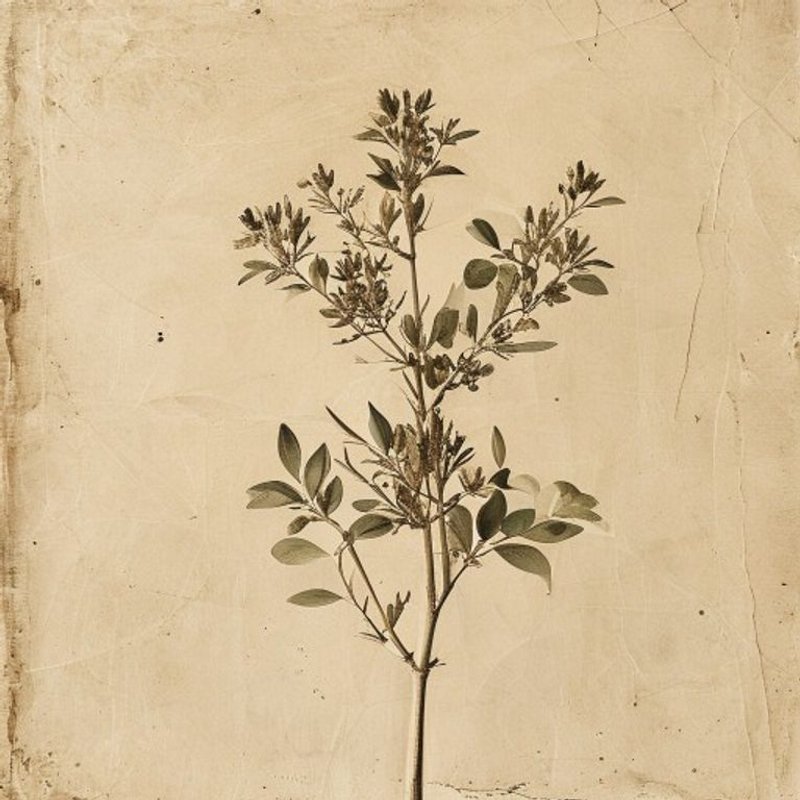
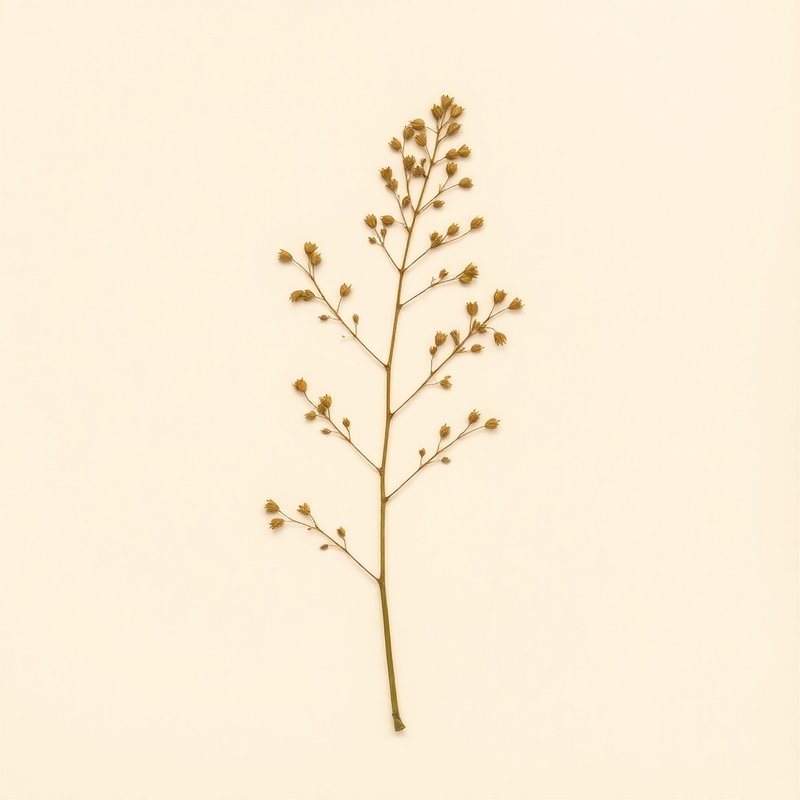
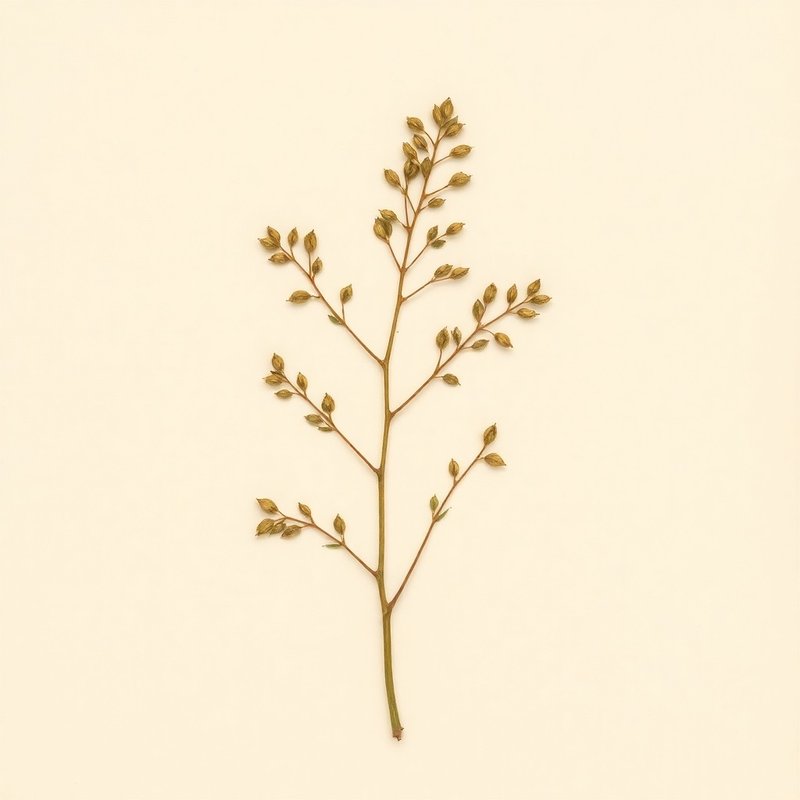
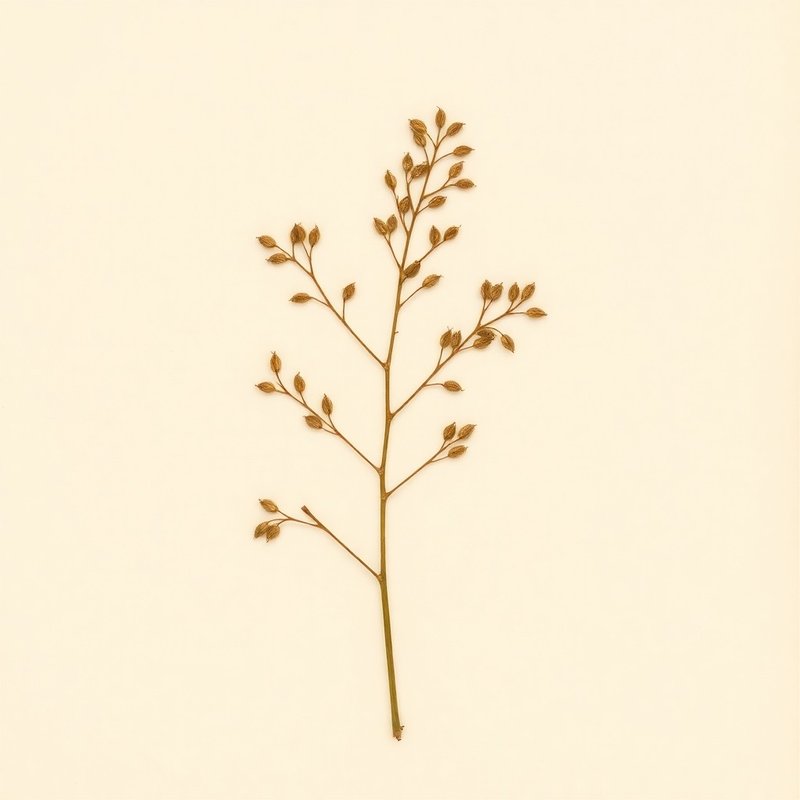
Salix repens (Salix repens) — botanical photograph
Salix repens (Salix repens)
X

See also

8 related
XI

Explore further

XII

About this entry

Last updated
Citation
How to cite this entry · Submit a correction
Back to the cataloguePlant id · e59b2573-f5a7-45ca-9be7-5532bb9dcd91
Decision aid
Choosing between Salix repens and something else?
Compare with another plant

Continue reading

❦❦❦❦
Endpaper · archive updates

Get archive updates

Occasional email when substantial new content lands — plant profiles, seasonal growing notes, folk-remedy additions. Free, no tracking, unsubscribe anytime.

Newsletter returning soon.
We are rebuilding the update list around a lightweight editorial workflow. New dispatches will resume after the next content review cycle.
iCare notes