
Salsola collina
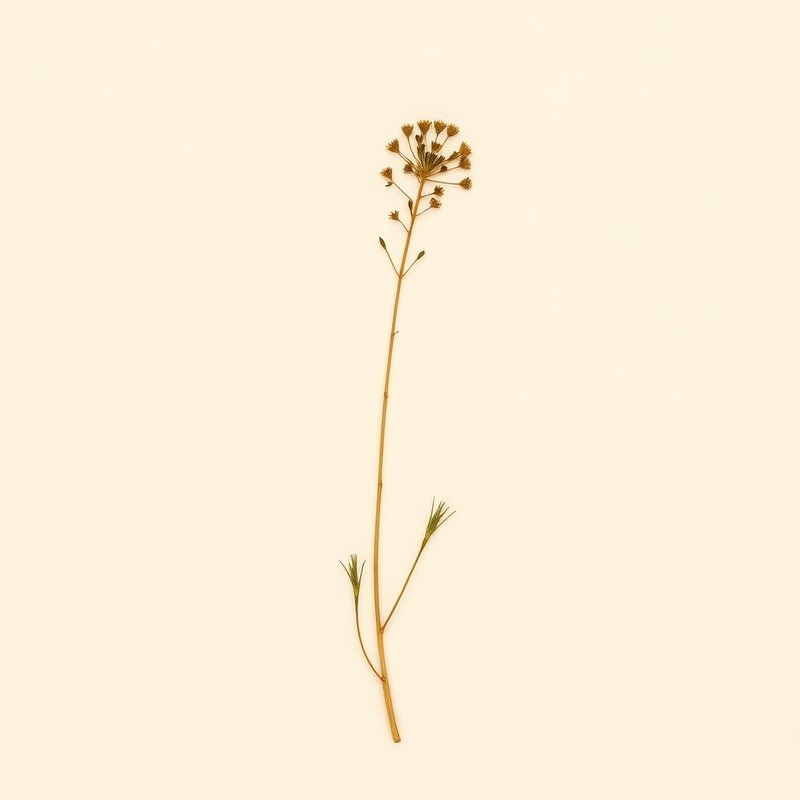
IOverview
Overview
Salsola collina, commonly known as Russian thistle or tumbleweed, is an annual plant native to a wide range of regions including Afghanistan, Altay, Amur, Buryatiya, China North-Central, and other parts of Central Asia and East Asia. This hardy plant thrives in full sun and can tolerate both dry and moist conditions, thriving in light (sandy) or medium soil types. Standing up to 1 meter tall, Salsola collina is known for its ornamental value as well as its edible leaves, which are often used in various culinary applications such as salads when fresh or steamed/stir-fried for added flavor. The distinctive feature of Salsola collina lies in its ability to form tumbleweeds—mature plants that break off and roll across the landscape, dispersing seeds. This plant is native to temperate regions but has been introduced into several areas including Arizona, Baltic States, Belarus, Colorado, and many others, where it can pose a weed potential issue. The edible parts of Salsola collina are its leaves, which can be harvested throughout the growing season for use in salads or cooked dishes. While not traditionally used medicinally, the plant's introduction into various regions highlights its adaptability and utility as both an ornamental and culinary addition to gardens and landscapes.
What is Salsola collina?
Salsola collina, commonly known as Russian thistle or tumbleweed, is an annual plant native to a wide range of regions including Afghanistan, Altay, Amur, Buryatiya, China North-Central, and other parts of Central Asia and East Asia.
VCultivation
Cultivation
How to grow Salsola collina for the first time
Start with Salsola collina as a simple annual plant, focusing on basic care and harvesting.
- 1
What you'll need
Seeds or seedlings, a small trowel, and a watering can.
- 2
Best time to plant
Plant in spring after the last frost, when temperatures are mild.
- 3
Soil and container prep
Choose a well-draining soil with a pH between 6.0 and 7.5 for outdoor planting.
- 4
Sowing or transplanting
Direct sow seeds in the garden, covering them lightly with soil. For containers, use a pot at least 12 inches wide.
- 5
First two weeks
Water regularly to keep the soil moist until germination and then reduce watering.
- 6
Ongoing care
Provide full sun exposure and water only when the soil is dry. Prune any dead or damaged leaves as needed.
- 7
Harvest or pruning
Prune back the plant after flowering to encourage new growth and prevent self-seeding.
- 8
Common mistakes
Overwatering, planting in heavy soil, neglecting to prune, and not providing enough sunlight.
VIEdible & utility
Edible & utility
VIIDistribution
30 native · 33 introduced
Distribution
30 native · 33 introducedIXSpecimen gallery
1 image
Specimen gallery
1 imageExplore further
About this entry
- Last updated
- Citation
- How to cite this entry · Submit a correction
Continue reading
Get archive updates
Occasional email when substantial new content lands — plant profiles, seasonal growing notes, folk-remedy additions. Free, no tracking, unsubscribe anytime.