
Salsola kali
Salsola kali
Educational content — not medical, botanical, or professional advice. Plant identification, safety, and edibility depend on local conditions, cultivars, and correct identification. Consult a qualified botanist or forager before consuming or handling wild specimens. How we source & review →
Garden journal pausedUse profile notes below
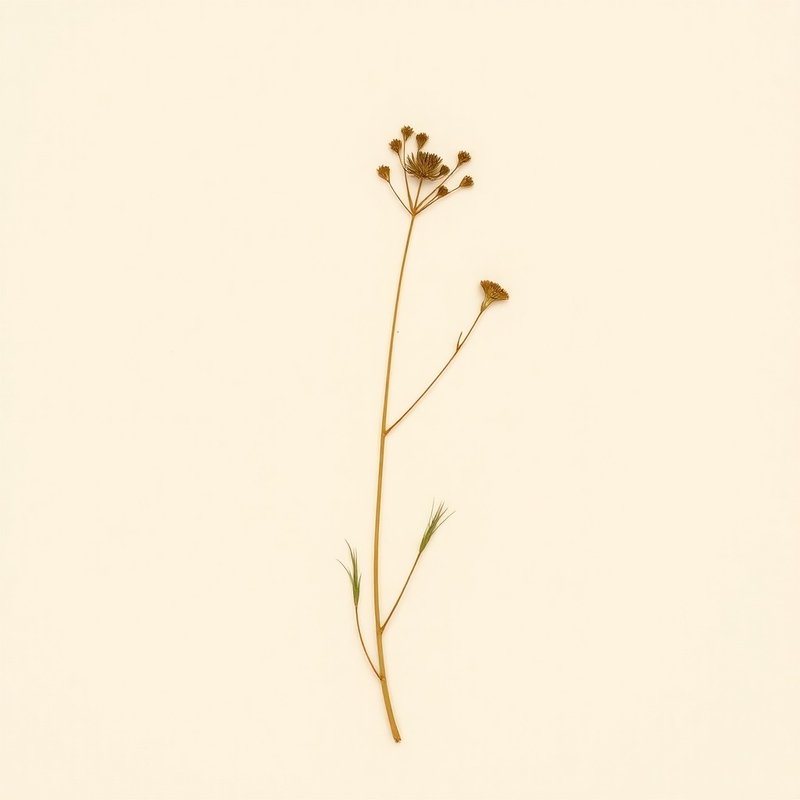
Pl. ADB3 — Salsola kali
Salsola kaliSalsola kaliSalsola kaliSalsola kaliSalsola kaliSalsola kaliSalsola kaliSalsola kaliSalsola kaliSalsola kaliSalsola kaliSalsola kaliSalsola kaliSalsola kali
IOverview
Overview
Salsola kali, commonly known as glasswort or saltwort, is an annual plant belonging to the family Chenopodiaceae. Native to the Mediterranean and extending into northern Europe, this plant is widely distributed across a range of habitats, including coastal areas. Salsola kali thrives in full sun and prefers light (sandy) or medium soils that are either dry or moist. It can grow up to 0.6 meters tall, making it a distinctive presence among other vegetation. The plant has both edible and practical uses. Its leaves and seeds are edible, with the leaves being consumed fresh or cooked, and the seeds often dried for culinary applications. Salsola kali is known for its potential as a dynamic accumulator, contributing to soil improvement through its ability to gather nutrients, particularly potash. It is also recognized for its biomass and cleanser properties, making it valuable in various ecological contexts. Salsola kali has been introduced into numerous regions, including parts of North America, South America, and Australia, where it thrives due to its adaptability. However, its invasive nature should be considered, as it can pose a weed threat in some areas. This plant's widespread native range and introduced regions highlight its hardiness and versatility across diverse climates and soils. While Salsola kali is primarily noted for its culinary and ecological benefits, it is important to handle the plant with caution, especially when considering its potential as a dynamic accumulator, as its compounds and effects are not extensively documented for medicinal use.
Quick answers
What is Salsola kali?
Salsola kali, commonly known as glasswort or saltwort, is an annual plant belonging to the family Chenopodiaceae. Native to the Mediterranean and extending into northern Europe, this plant is widely distributed across a range of habitats, including coastal areas.
Growingconditions · propagation · uses
VCultivation
Cultivation
Salsola kali thrives in full sun and prefers light to medium soil that is either dry or moist. It grows up to 0.6 meters tall and is an annual plant. Propagation can be done through seeds. This plant is hardy in temperate regions and is native to a wide range of countries across Europe, Africa, and the Mediterranean.
Light
Full sun
Water
Dry, Moist
Soil
Light (sandy), Medium
Life cycle
Annual
Mature size
0.6 m tall
For first-time growers
How to grow Salsola kali for the first time
8steps
Start with Salsola kali as an easy-to-grow annual for beginners.
- 1
What you'll need
Seeds, a small trowel or scoop.
- 2
Best time to plant
Plant in spring after the last frost.
- 3
Soil and container prep
Choose light, well-draining soil. Containers should be at least 15 cm deep.
- 4
Sowing or transplanting
Direct sow seeds 0.6 m apart in rows. Alternatively, start indoors a few weeks before planting outside.
- 5
First two weeks
Water sparingly to keep soil moist but not wet. Monitor for pests and diseases.
- 6
Ongoing care
Provide full sun exposure. Water only when the soil is dry to the touch. Remove weeds carefully.
- 7
Harvest or pruning
Prune dead leaves and stems to encourage new growth and maintain plant health.
- 8
Common mistakes
Overwatering, planting in heavy soils, neglecting weed control, not providing enough sunlight.
VIEdible & utility
Edible & utility
Edible parts:LeavesSeed
Edible uses: The leaves and seeds of Salsola kali are edible. The leaves can be eaten fresh or cooked, while the seeds are often dried before use in various culinary applications. Skip
Other uses:BiomassCleanserPotashDynamic accumulator
Contextrange · companions · related
VIIDistribution
37 native · 42 introduced
Distribution
37 native · 42 introducedDistribution across3 continents· 37 native· 42 introduced
Europe20 regions
native (20)AlbaniaBelgiumBulgariaCyprusDenmarkFinlandFranceGermanyGreeceIrelandItalyNetherlandsNorwayPolandPortugalRomaniaSpainSwedenUkraineUnited Kingdom
Americas2 regions
introduced (2)United StatesUruguay
Africa7 regions
native (5)AlgeriaEgyptLibyaMoroccoTunisia
introduced (2)LesothoNamibia
Broader regions
native:Baltic States, Kriti, Lebanon-Syria, Turkey-in-Europe, Yugoslavia
introduced:Alabama, Amur, Argentina Northeast, Argentina Northwest, Argentina South, Cape Provinces, Chile Central, Chile South, Connecticut, Delaware, Florida, Free State, Louisiana, Maine, Maryland, Masachusettes, Massachusetts, Mississippi, New Brunswick, New Hampshire, New Jersey, New South Wales, New York, Newfoundland, North Carolina, Northern Provinces, Northern Territory, Nova Scotia, Pennsylvania, Prince Edward I., Québec, Queensland, Rhode I., South Australia, South Carolina, Victoria, Virginia, Western Australia
IXSpecimen gallery
1 image
Specimen gallery
1 imageXI
Explore further
Companion planting
XII
About this entry
- Last updated
- Citation
- How to cite this entry · Submit a correction
Back to the cataloguePlant id · adb3f6e7-9705-4c37-a411-c360ecd19ecc
Decision aid
Choosing between Salsola kali and something else?
Continue reading
❦❦❦❦
Endpaper · archive updates
Get archive updates
Occasional email when substantial new content lands — plant profiles, seasonal growing notes, folk-remedy additions. Free, no tracking, unsubscribe anytime.
Newsletter returning soon.
We are rebuilding the update list around a lightweight editorial workflow. New dispatches will resume after the next content review cycle.