
Salsola soda
IOverview
Overview
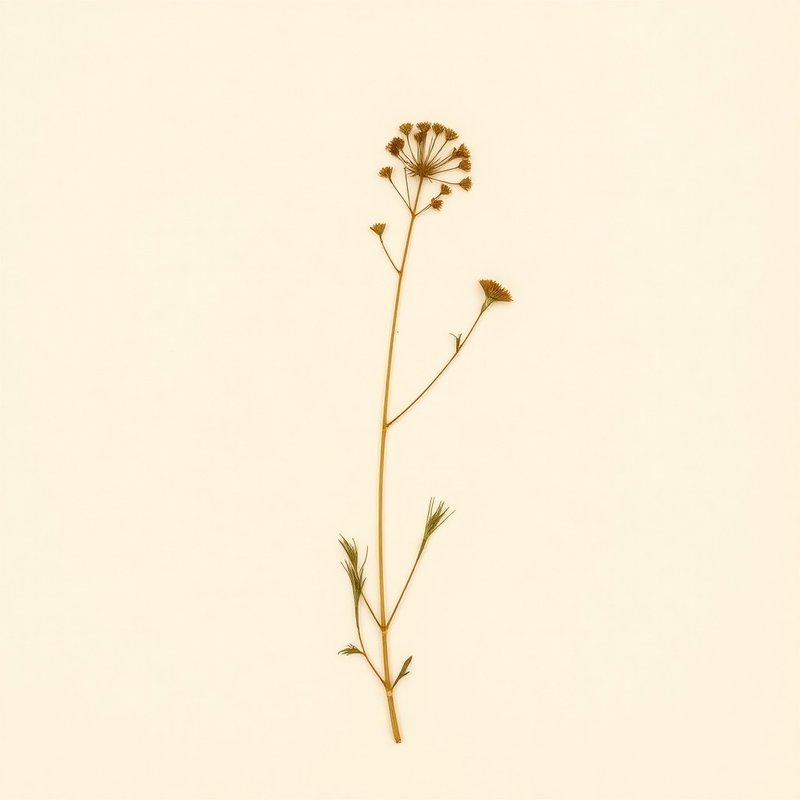
Salsola soda, commonly known as saltwort, is an annual plant belonging to the Chenopodiaceae family. Native to a wide range of Mediterranean and Central Asian regions including Albania, Algeria, Bulgaria, Cyprus, and various other areas listed in its native regions section, this hardy plant thrives in full sun and can tolerate both dry and moist conditions, making it adaptable to diverse environments. Its light requirement is for full sun, with soil preferences ranging from light (sandy) to medium textures. Standing at a height of 0.6 meters, Salsola soda is known for its edible leaves, which are often used in culinary applications due to their salty taste and nutritional value. The plant's leaves can be consumed fresh or dried and are typically added to salads when fresh or included in soups and stews after being dried. Salsola soda has been introduced into Argentina Northeast and California, expanding its presence beyond its native range. This plant is particularly useful as a source of potash, making it valuable for soil enrichment. While not traditionally used medicinally, Salsola soda's edible leaves offer nutritional benefits and can be incorporated into various dishes to enhance flavor and provide essential nutrients. Cultivating Salsola soda involves ensuring the soil is well-draining, as it does not require frequent watering. Propagation can be achieved through seeds, which should be sown directly in the garden once all danger of frost has passed. This plant is hardy in temperate regions and can be harvested for its edible leaves throughout the growing season. Despite its adaptability, caution should be exercised when handling any part of the plant, as it may cause skin irritation or other reactions in some individuals.
What is Salsola soda?
Salsola soda, commonly known as saltwort, is an annual plant belonging to the Chenopodiaceae family.
VCultivation
Cultivation
How to grow Salsola soda for the first time
Start with Skip as a simple annual plant, focusing on basic care and harvesting.
- 1
What you'll need
Seeds or young plants, a small container or garden bed.
- 2
Best time to plant
Plant in spring after the last frost, when temperatures are mild.
- 3
Soil and container prep
Use well-draining soil; containers should have drainage holes.
- 4
Sowing or transplanting
Direct sow seeds 0.5 cm deep in rows 30 cm apart, or transplant young plants.
- 5
First two weeks
Water sparingly to avoid rot; keep soil moist but not waterlogged.
- 6
Ongoing care
Provide full sun and regular watering during dry spells; mulch to retain moisture.
- 7
Harvest or pruning
Prune leaves as needed for size control, or harvest them before flowering.
- 8
Common mistakes
Overwatering, planting in heavy soil, neglecting sun exposure.
VIEdible & utility
Edible & utility
VIIDistribution
32 native · 2 introduced
Distribution
32 native · 2 introducedIXSpecimen gallery
1 image
Specimen gallery
1 imageXSee also
8 related
See also
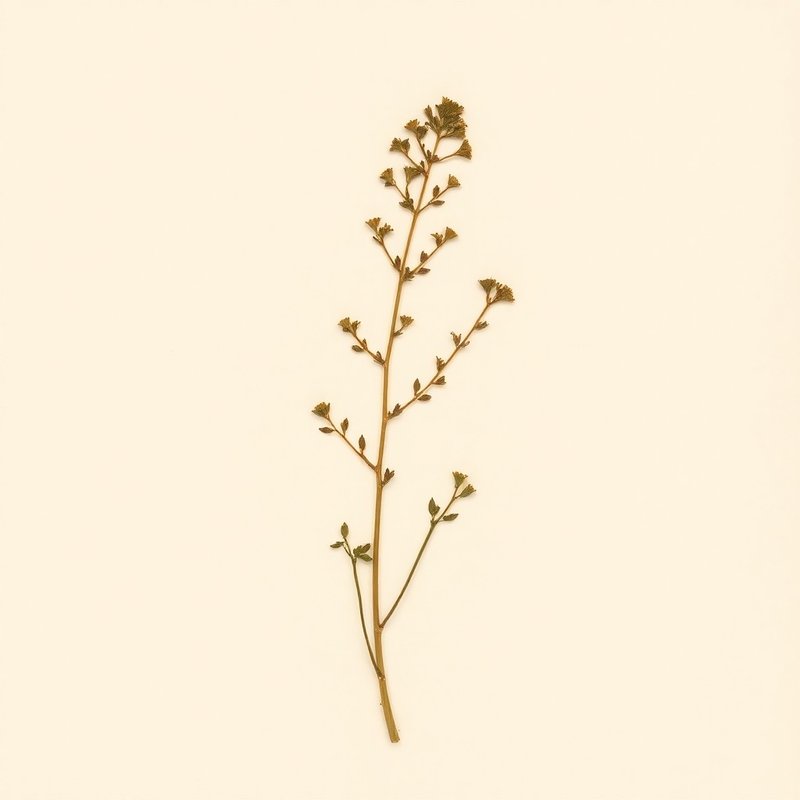
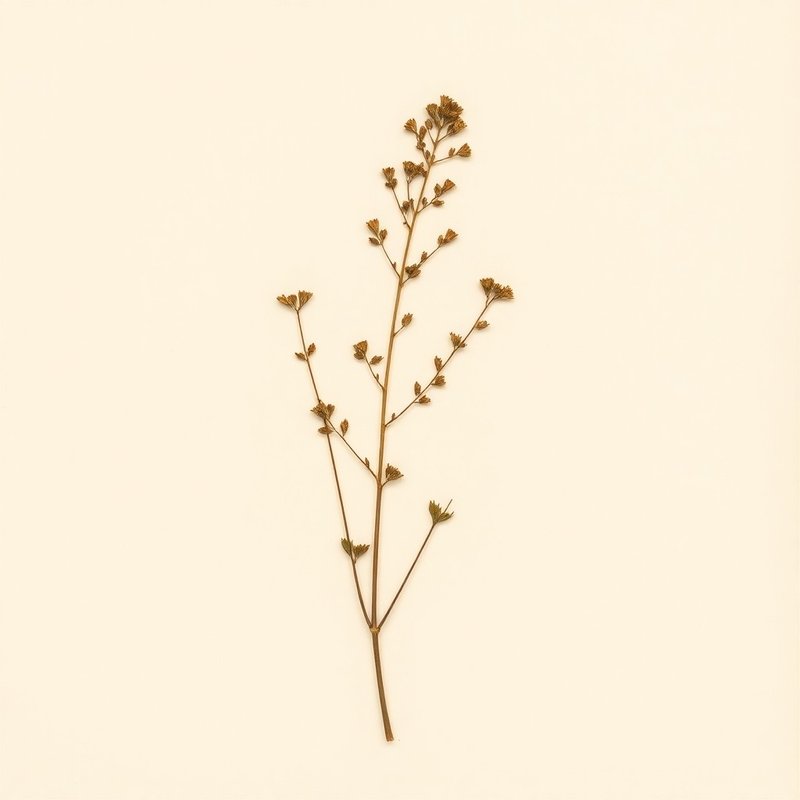
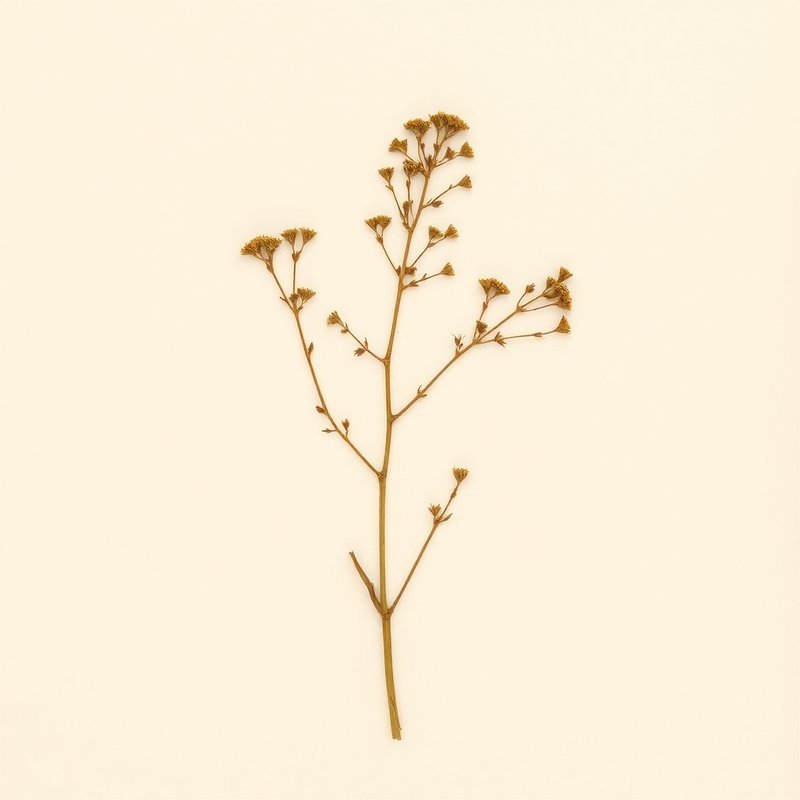
8 relatedPlants you might compare or use together — scored by shared family (Chenopodiaceae), common use cases, and growing requirements.

Explore further
About this entry
- Last updated
- Citation
- How to cite this entry · Submit a correction
Continue reading
Get archive updates
Occasional email when substantial new content lands — plant profiles, seasonal growing notes, folk-remedy additions. Free, no tracking, unsubscribe anytime.