
Coast Sandalwood
Santalum ellipticum
Educational content — not medical, botanical, or professional advice. Plant identification, safety, and edibility depend on local conditions, cultivars, and correct identification. Consult a qualified botanist or forager before consuming or handling wild specimens. How we source & review →
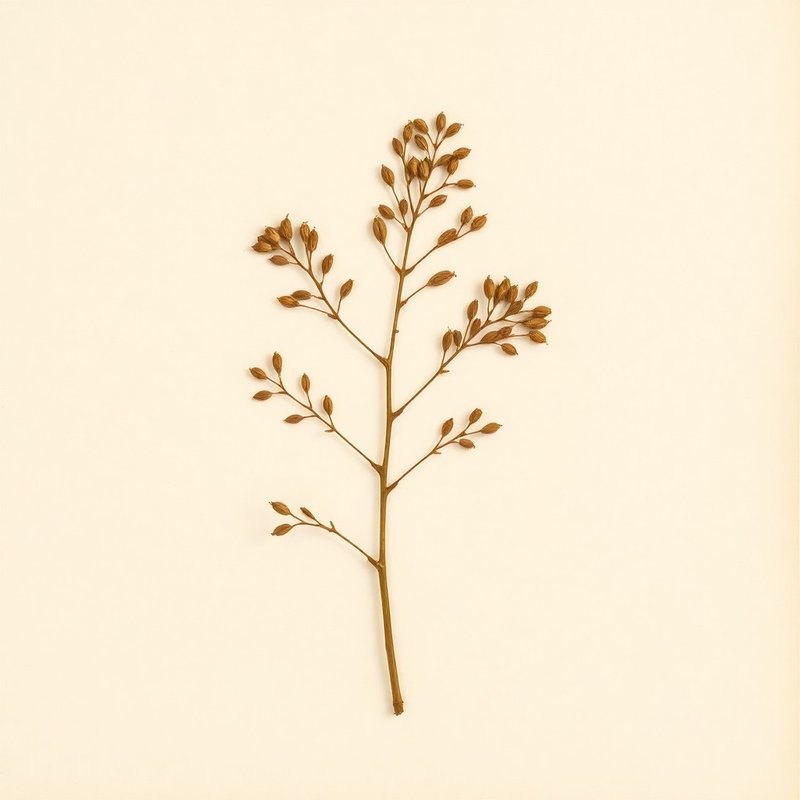
Pl. 846C — Santalum ellipticum
Santalum ellipticumSantalum ellipticumSantalum ellipticumSantalum ellipticumSantalum ellipticumSantalum ellipticumSantalum ellipticumSantalum ellipticumSantalum ellipticumSantalum ellipticumSantalum ellipticumSantalum ellipticumSantalum ellipticumSantalum ellipticum
IOverview
Overview
Coast Sandalwood (Santalum ellipticum) is a tree or shrub native to Jawa, Lesser Sunda Islands, Northern Territory, Philippines, Western Australia, and Hawaii. Known for its edible parts, particularly the seeds, this plant thrives in light soil conditions that are sandy or medium-textured, requiring partial sun to full sun exposure and dry environments. It is hardy in zones 9-12 and can grow up to 5 meters tall. This species is valued not only for its culinary uses but also for its ornamental appeal in gardens. One distinctive feature of Coast Sandalwood is its ability to form mycorrhizal associations, enhancing nutrient uptake from the soil.
Quick answers
What is Coast Sandalwood?
Coast Sandalwood (Santalum ellipticum) is a tree or shrub native to Jawa, Lesser Sunda Islands, Northern Territory, Philippines, Western Australia, and Hawaii.
Growingconditions · propagation · uses
VCultivation
Cultivation
Coast Sandalwood thrives in full to partial sun and prefers dry conditions, making it suitable for arid or well-drained soils. It grows best in light (sandy) to medium soil types and reaches a height of 5 meters as either a tree or shrub. Hardy in zones 9-12, this plant is native to regions including Jawa, Lesser Sunda Islands, Northern Territory, Philippines, Western Australia, and Hawaii. For propagation, seeds are the recommended method.
Light
Full sun, Partial sun/shade
Water
Dry
Soil
Light (sandy), Medium
Hardiness
9-12
Habit
Tree, Shrub
Mature size
5.0 m tall
For first-time growers
How to grow Coast Sandalwood for the first time
8steps
Start with a simple planting of Coast Sandalwood to gain experience in caring for this unique tree.
- 1
What you'll need
A Coast Sandalwood seed, a pot or garden bed, and basic gardening tools like a trowel.
- 2
Best time to plant
Plant seeds in spring when the weather starts warming up.
- 3
Soil and container prep
Use well-draining soil with sand for good aeration. Ensure containers have drainage holes if planting indoors.
- 4
Sowing or transplanting
Sow seeds directly into the ground or start them in small pots, keeping the soil moist until they germinate.
- 5
First two weeks
Keep the seedling in a sunny spot and water it regularly to keep the soil slightly moist but not soggy.
- 6
Ongoing care
Place the tree in full sun or partial shade, depending on its location. Water sparingly as it prefers dry conditions.
- 7
Harvest or pruning
Focus on pruning to maintain shape and remove dead branches. Pruning can be done lightly throughout the year.
- 8
Common mistakes
Overwatering, planting in overly wet soil, and not providing enough sunlight are common issues.
VIEdible & utility
Edible & utility
Edible parts:Seed
Edible uses: The Coast Sandalwood's seeds are edible and can be consumed raw or cooked. They are often prepared by roasting to enhance their flavor before eating. Skip the detailed preparation steps as they were not provided in the data.
Other uses:CosmeticEssential OilFire starterHairFragrancePest controlSoap makingLumber
Contextrange · companions · related
VIIDistribution
6 native · 15 introduced
Distribution
6 native · 15 introducedDistribution across3 continents· 6 native· 15 introduced
Asia10 regions
native (1)Philippines
introduced (9)BangladeshChinaIndiaMyanmarNepalSri LankaTaiwanThailandVietnam
Americas1 region
native (1)United States
Africa1 region
introduced (1)Mauritius
Broader regions
native:Jawa, Lesser Sunda Is., Northern Territory, Western Australia
introduced:Caroline Is., Florida, Rodrigues, Réunion
IXSpecimen gallery
1 image
Specimen gallery
1 imageXI
Explore further
Companion planting
Growing zone
XII
About this entry
- Last updated
- Citation
- How to cite this entry · Submit a correction
Back to the cataloguePlant id · 846cbc0e-8792-450d-93bc-707fd89de58b
Decision aid
Choosing between Coast Sandalwood and something else?
Continue reading
❦❦❦❦
Endpaper · archive updates
Get archive updates
Occasional email when substantial new content lands — plant profiles, seasonal growing notes, folk-remedy additions. Free, no tracking, unsubscribe anytime.