
Haleakala Sandalwood
Santalum haleakalae
Educational content — not medical, botanical, or professional advice. Plant identification, safety, and edibility depend on local conditions, cultivars, and correct identification. Consult a qualified botanist or forager before consuming or handling wild specimens. How we source & review →
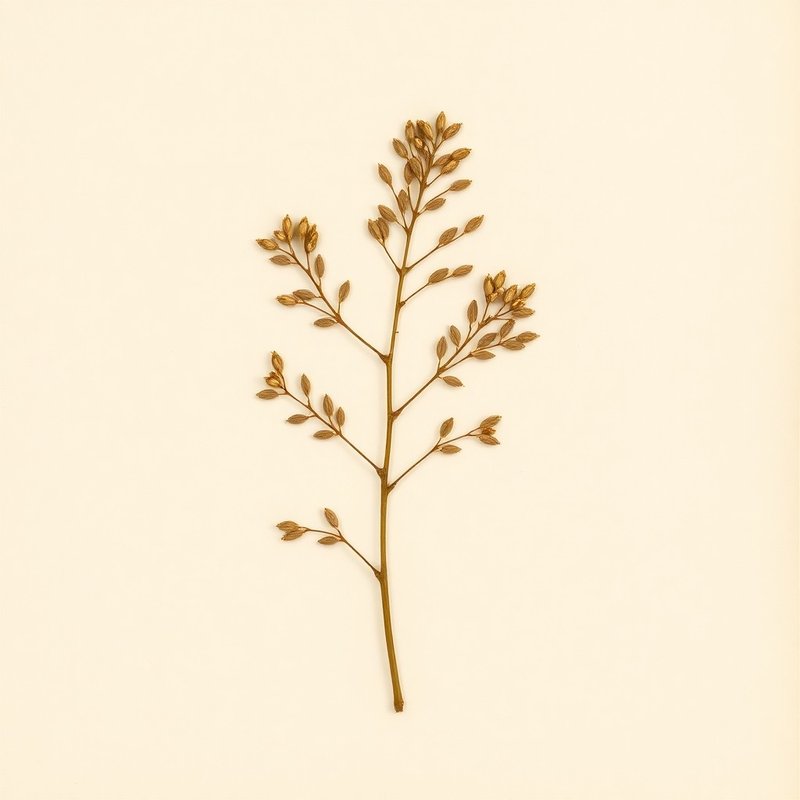
Pl. 76FD — Santalum haleakalae
Santalum haleakalaeSantalum haleakalaeSantalum haleakalaeSantalum haleakalaeSantalum haleakalaeSantalum haleakalaeSantalum haleakalaeSantalum haleakalaeSantalum haleakalaeSantalum haleakalaeSantalum haleakalaeSantalum haleakalaeSantalum haleakalaeSantalum haleakalae
IOverview
Overview
Haleakala Sandalwood (Santalum haleakalae) is a native tree of Hawaii, thriving in the arid and light-rich environments of its home islands. Known for its edible seeds, this plant can grow up to 3 meters tall under full sun or partial shade conditions. It prefers sandy and medium soils that are well-drained and dry, making it a resilient species in harsher climates typical of Hawaii's landscapes. This sandalwood is not only notable for its culinary use but also for its ornamental value, adding a unique touch to gardens and natural settings. Its light requirement and soil preferences make it an interesting choice for those seeking plants that can thrive in challenging conditions.
Quick answers
What is Haleakala Sandalwood?
Haleakala Sandalwood (Santalum haleakalae) is a native tree of Hawaii, thriving in the arid and light-rich environments of its home islands. Known for its edible seeds, this plant can grow up to 3 meters tall under full sun or partial shade conditions.
Growingconditions · propagation · uses
VCultivation
Cultivation
Haleakala Sandalwood thrives in full to partial sun and prefers dry conditions, making it suitable for areas with low rainfall. It grows well in light (sandy) to medium soil types. This tree is hardy in zones 9-12 but can be challenging to cultivate outside these regions due to its specific climate requirements. For propagation, seeds are the recommended method. Keep in mind that while it is native to Hawaii and edible, cultivation outside of its natural range may require careful management of water and light conditions.
Light
Full sun, Partial sun/shade
Water
Dry
Soil
Light (sandy), Medium
Hardiness
9-12
Habit
Tree
Mature size
3.0 m tall
For first-time growers
How to grow Haleakala Sandalwood for the first time
8steps
Start with a Haleakala Sandalwood sapling for the best beginner experience.
- 1
What you'll need
A young Haleakala Sandalwood sapling, well-draining soil, and a container or garden spot that gets full to partial sun.
- 2
Best time to plant
Plant in spring when the weather is mild and there's no risk of frost.
- 3
Soil and container prep
Ensure your soil is light (sandy) with good drainage. For containers, use a mix of potting soil and perlite for better aeration.
- 4
Sowing or transplanting
Transplant the sapling carefully to avoid damaging roots. Dig a hole twice as wide but not deeper than the root ball.
- 5
First two weeks
Water sparingly, allowing the soil to dry out between waterings. Keep the plant in a sheltered spot if there's any chance of heavy rain or wind.
- 6
Ongoing care
Water only when the top inch of soil feels dry and avoid overwatering. Provide full sun for best growth but partial shade can also be suitable.
- 7
Harvest or pruning
Prune lightly to shape the tree and remove any dead or damaged branches. Harvest seeds if needed, but this is not a common practice.
- 8
Common mistakes
Overwatering, planting in heavy soil, and exposing the plant to extreme weather conditions are common pitfalls.
VIEdible & utility
Edible & utility
Edible parts:Seed
Edible uses: The Haleakala Sandalwood's seeds are edible and can be consumed raw or roasted. SKIP
Other uses:CosmeticEssential OilFire starterHairFragrancePest controlSoap makingLumber
Contextrange · companions · related
VIIDistribution
1 native · 0 introduced
Distribution
1 native · 0 introducedDistribution across1 continent· 1 native
Americas1 region
native (1)United States
IXSpecimen gallery
1 image
Specimen gallery
1 imageXI
Explore further
Companion planting
Growing zone
XII
About this entry
- Last updated
- Citation
- How to cite this entry · Submit a correction
Back to the cataloguePlant id · 76fd0ae7-07f4-486e-8987-4a895d067caf
Decision aid
Choosing between Haleakala Sandalwood and something else?
Continue reading
❦❦❦❦
Endpaper · archive updates
Get archive updates
Occasional email when substantial new content lands — plant profiles, seasonal growing notes, folk-remedy additions. Free, no tracking, unsubscribe anytime.