
Santalum murrayanum
IOverview
Overview
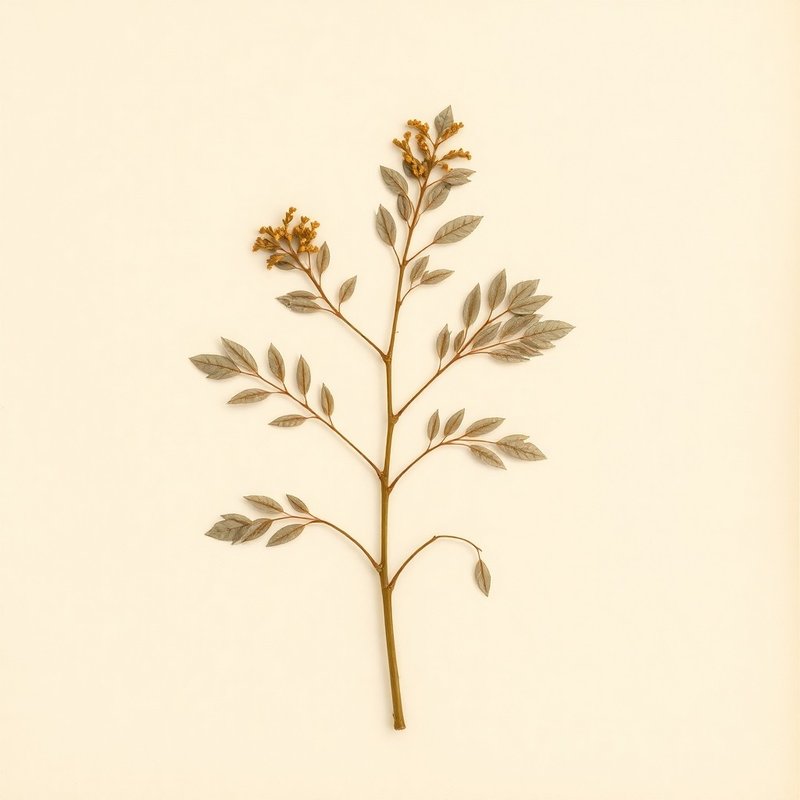
Santalum murrayanum, known as Skip in common parlance and belonging to the Santalaceae family, is native to New South Wales, South Australia, Victoria, and Western Australia. This small tree thrives in a variety of soil types—light (sandy), medium, and heavy (clay)—and requires moist conditions with partial sun or shade for optimal growth. The inner bark of Skip is edible, making it a valuable resource for those familiar with its use. Its adaptability to different habitats and the utility of its inner bark make it an interesting subject in botanical studies.
What is Santalum murrayanum?
Santalum murrayanum, known as Skip in common parlance and belonging to the Santalaceae family, is native to New South Wales, South Australia, Victoria, and Western Australia.
VCultivation
Cultivation
How to grow Santalum murrayanum for the first time
Start with a simple planting of Santalum murrayanum to gain experience in caring for this unique plant.
- 1
What you'll need
A young sapling, well-draining soil mix, and a container or garden spot that receives full sun to partial shade.
- 2
Best time to plant
Plant in spring when the weather is mild and there's no risk of frost.
- 3
Soil and container prep
Ensure your soil is well-draining, with a mix of light (sandy), medium, or heavy clay. For containers, use a potting mix suitable for succulents or cacti.
- 4
Sowing or transplanting
Transplant the sapling carefully to avoid damaging roots. Dig a hole slightly larger than the root ball and place it in the center.
- 5
First two weeks
Water thoroughly after planting, then reduce watering frequency to allow the plant to establish itself.
- 6
Ongoing care
Provide full sun to partial shade. Water when the soil feels dry to the touch and avoid overwatering. Fertilize sparingly with a balanced organic fertilizer in spring.
- 7
Harvest or pruning
Prune lightly during winter to maintain shape, but do not harvest inner bark as it is used for propagation.
- 8
Common mistakes
Overwatering, planting in heavy clay soil without drainage, and harvesting the inner bark too early.
VIEdible & utility
Edible & utility
VIIDistribution
4 native · 0 introduced
Distribution
4 native · 0 introducedXSee also
1 related
See also
1 relatedPlants you might compare or use together — scored by shared family (Santalaceae), common use cases, and growing requirements.
Explore further
About this entry
- Last updated
- Citation
- How to cite this entry · Submit a correction
Continue reading
Get archive updates
Occasional email when substantial new content lands — plant profiles, seasonal growing notes, folk-remedy additions. Free, no tracking, unsubscribe anytime.