
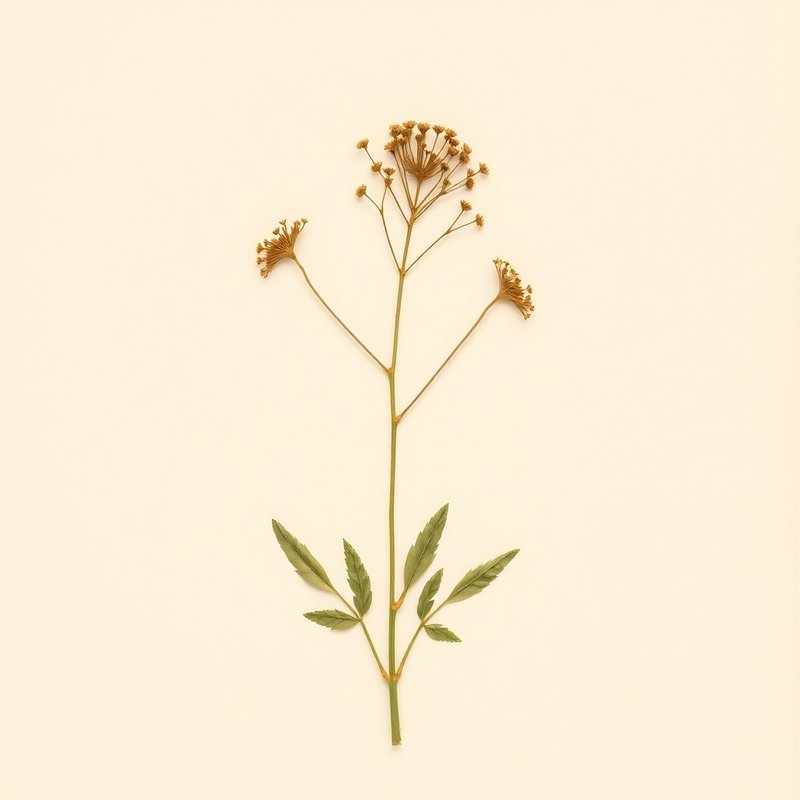
Scandix grandiflora
IOverview
Overview
Scandix grandiflora, a perennial plant native to regions including Bulgaria, Cyprus, Greece, Iran, Italy, Lebanon-Syria, and parts of the East Aegean Islands, is a light-loving species that thrives in moist conditions and prefers soil that is either sandy, medium, or clayey, with an optimal pH range of 7–7.5. This plant is known for its edible leaves, which can be consumed raw or cooked and are often used in salads for their mild flavor or added to soups and stews for extra moisture content. The leaves make it a valuable addition to gardens not only for their culinary uses but also for their ornamental appeal. Scandix grandiflora can grow in diverse habitats across the Mediterranean and Middle Eastern regions, making it a versatile plant for cultivation. For propagation, it can be grown from seeds or divisions. While primarily used for its edible and ornamental value, Scandix grandiflora does not have recognized medicinal properties.
What is Scandix grandiflora?
Scandix grandiflora, a perennial plant native to regions including Bulgaria, Cyprus, Greece, Iran, Italy, Lebanon-Syria, and parts of the East Aegean Islands, is a light-loving species that thrives in moist conditions and prefers soil that is either sandy, medium, or clayey, with an optimal pH range of 7–7.
VCultivation
Cultivation
How to grow Scandix grandiflora for the first time
Start with Scandix grandiflora by planting it in a well-prepared soil and giving it the right care.
- 1
What you'll need
Seeds or young plants, a garden fork, a rake.
- 2
Best time to plant
Plant Scandix grandiflora in spring after the last frost.
- 3
Soil and container prep
Prepare soil that is light (sandy), medium, or heavy with a pH of 7–7.5. Ensure good drainage.
- 4
Sowing or transplanting
Direct sow seeds in the garden or start them indoors 4-6 weeks before planting outside.
- 5
First two weeks
Water regularly to keep soil moist but not waterlogged. Monitor for pests and diseases.
- 6
Ongoing care
Provide light watering during dry spells, especially in summer. Deadhead flowers to encourage more blooms.
- 7
Harvest or pruning
Prune dead leaves and spent flowers to maintain the plant's health and appearance.
- 8
Common mistakes
Overwatering, planting in unsuitable soil, neglecting to prune, not providing enough light.
VIEdible & utility
Edible & utility
VIIDistribution
25 native · 2 introduced
Distribution
25 native · 2 introducedIXSpecimen gallery
1 image
Specimen gallery
1 imageExplore further
About this entry
- Last updated
- Citation
- How to cite this entry · Submit a correction
Continue reading
Get archive updates
Occasional email when substantial new content lands — plant profiles, seasonal growing notes, folk-remedy additions. Free, no tracking, unsubscribe anytime.