
Skip to content
IIIFolio · plant profile№ 2CADedible
Data provenancePermapeopleTrefleWikipediaPFAFPOWOreviewed 15 Oct 2026methodology → read

Sweet Broom

Scoparia dulcis
Educational content — not medical, botanical, or professional advice. Plant identification, safety, and edibility depend on local conditions, cultivars, and correct identification. Consult a qualified botanist or forager before consuming or handling wild specimens. How we source & review →
Updated·Quick Q&A →
Garden journal pausedUse profile notes below
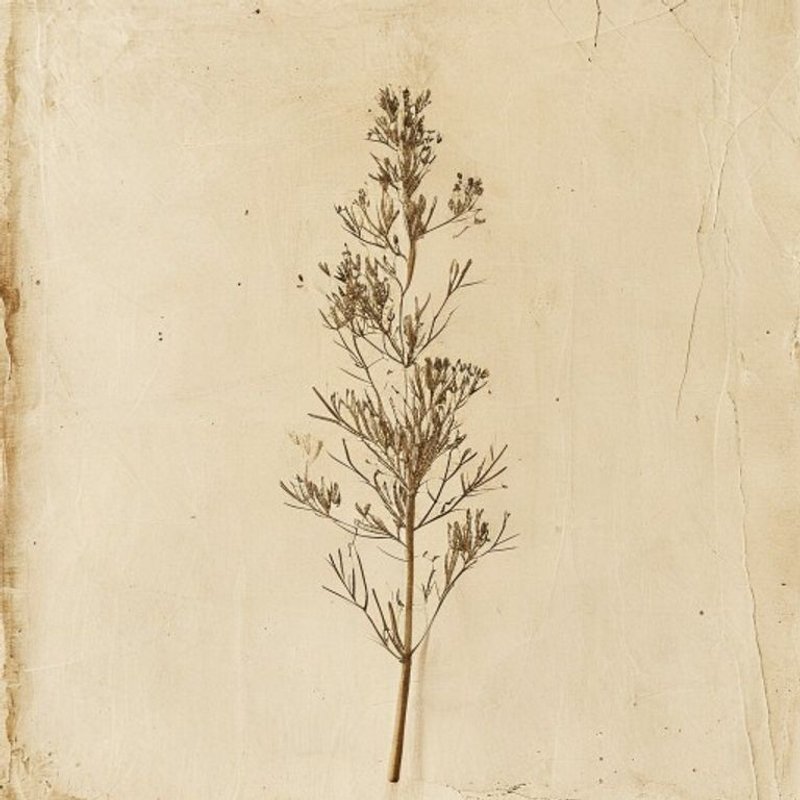
Scoparia dulcis (Sweet Broom) — botanical photograph
Pl. 2CAD — Scoparia dulcis
Scoparia dulcisScoparia dulcisScoparia dulcisScoparia dulcisScoparia dulcisScoparia dulcisScoparia dulcisScoparia dulcisScoparia dulcisScoparia dulcisScoparia dulcisScoparia dulcisScoparia dulcisScoparia dulcis
I

Overview

Sweet Broom (Scoparia dulcis), a member of the Scrophulariaceae family, is a versatile plant found in diverse regions across Central and South America, the Caribbean, and parts of North America, including Florida, Georgia, Texas, and Alabama. This subshrub or herbaceous plant thrives in moist, light to medium soil types and prefers full sun exposure. Known for its edible properties, Sweet Broom is often cultivated for its seeds, which can be consumed. It grows to a height of up to 0.8 meters and is adaptable, performing well in temperate regions from zones 8 to 12. Sweet Broom is also useful for crafting and pest control, making it a valuable addition to gardens and landscapes. While it is native to many regions, it has been introduced to other areas, including parts of Africa, Asia, and the Pacific, where it can sometimes pose a weed threat.

Quick answers

What is Sweet Broom?

Sweet Broom (Scoparia dulcis), a member of the Scrophulariaceae family, is a versatile plant found in diverse regions across Central and South America, the Caribbean, and parts of North America, including Florida, Georgia, Texas, and Alabama.

Growingconditions · propagation · uses
V

Cultivation

Sweet Broom thrives in full sun and prefers moist soil that is light (sandy), medium, or heavy (clay). It can grow as an annual or perennial and reaches a height of 0.8 meters. Hardy in temperate regions from zones 8 to 12, it is adaptable but performs best with regular watering. Propagate through seeds for new plants.
Light
Full sun
Water
Moist
Soil
Light (sandy), Medium, Heavy (clay)
Hardiness
8-12
Life cycle
Annual, Perennial
Habit
Forb/herb, Subshrub
Mature size
0.8 m tall
For first-time growers

How to grow Sweet Broom for the first time

8steps

Sweet Broom is a forgiving plant for beginners, making it an excellent choice for your first gardening project.

  1. 1

    What you'll need

    Seeds or seedlings, a small trowel, and a watering can.

  2. 2

    Best time to plant

    Plant in spring after the last frost when temperatures are consistently above 10°C (50°F).

  3. 3

    Soil and container prep

    Choose a location with well-draining soil that is light, medium, or heavy. Ensure containers have drainage holes.

  4. 4

    Sowing or transplanting

    Direct sow seeds in the ground or start them indoors 4-6 weeks before planting outside. Transplant seedlings when they are about 2 inches tall.

  5. 5

    First two weeks

    Water regularly to keep soil moist but not waterlogged. Monitor for pests and diseases, treating if necessary.

  6. 6

    Ongoing care

    Provide full sun exposure and regular watering, especially during dry spells. Fertilize sparingly with a balanced fertilizer.

  7. 7

    Harvest or pruning

    Prune after flowering to encourage new growth and maintain shape. Remove any dead or diseased parts as needed.

  8. 8

    Common mistakes

    Overwatering, planting in heavy shade, neglecting regular pruning, using too much fertilizer, and not protecting from pests.

VI

Edible & utility

Edible parts:Seed
Edible uses: Drink
Other uses:CraftingPest control
Contextrange · companions · related
VII

Distribution

52 native · 70 introduced
Distribution across4 continents· 52 native· 70 introduced
Asia15 regions
native (1)Georgia
introduced (14)BangladeshCambodiaChinaIndiaLaosMyanmarNepalPalestineSaudi ArabiaSri LankaTaiwanThailandVietnamYemen
Americas22 regions
native (22)BahamasBelizeBoliviaColombiaCosta RicaCubaDominican RepublicEcuadorEl SalvadorFrench GuianaGuatemalaGuyanaHaitiHondurasJamaicaNicaraguaParaguayPeruPuerto RicoSurinameUruguayVenezuela
Africa31 regions
introduced (31)AngolaBeninBurkina FasoCameroonChadComorosCôte d'IvoireEthiopiaGabonGambiaGhanaGuineaGuinea-BissauKenyaLiberiaMadagascarMalawiMaliMauritaniaMauritiusMozambiqueNigerNigeriaSenegalSeychellesSierra LeoneSudanTanzaniaTogoUgandaZambia
Oceania2 regions
introduced (2)FijiNauru
Broader regions
native:Alabama, Argentina Northeast, Argentina Northwest, Aruba, Brazil North, Brazil Northeast, Brazil South, Brazil Southeast, Brazil West-Central, Cayman Is., Florida, Galápagos, Leeward Is., Louisiana, Mexico Central, Mexico Gulf, Mexico Northeast, Mexico Northwest, Mexico Southeast, Mexico Southwest, Mississippi, Netherlands Antilles, Panamá, South Carolina, Southwest Caribbean, Texas, Trinidad-Tobago, Venezuelan Antilles, Windward Is.
introduced:Andaman Is., Caroline Is., Central African Repu, Central American Pac, Chagos Archipelago, Christmas I., Cocos (Keeling) Is., Congo, Czechoslovakia, East Himalaya, Gulf of Guinea Is., KwaZulu-Natal, Lesser Sunda Is., Malaya, Marianas, Marshall Is., Nansei-shoto, Nicobar Is., Society Is., West Himalaya, Zaïre
IX

Specimen gallery

1 image
Scoparia dulcis (Sweet Broom) — botanical photograph
Sweet Broom (Scoparia dulcis)
XI

Explore further

XII

About this entry

Last updated
Citation
How to cite this entry · Submit a correction
Back to the cataloguePlant id · 2cadc99e-5ace-4ffb-ac80-fb4efc6ef534
Decision aid
Choosing between Sweet Broom and something else?
Compare with another plant

Continue reading

❦❦❦❦
Endpaper · archive updates

Get archive updates

Occasional email when substantial new content lands — plant profiles, seasonal growing notes, folk-remedy additions. Free, no tracking, unsubscribe anytime.

Newsletter returning soon.
We are rebuilding the update list around a lightweight editorial workflow. New dispatches will resume after the next content review cycle.
iCare notes