
Saw Palmetto
Serenoa repens
Educational content — not medical, botanical, or professional advice. Always consult a qualified clinician before using any herbal preparation — especially during pregnancy, breastfeeding, while on medication, or for children. How we source & review →
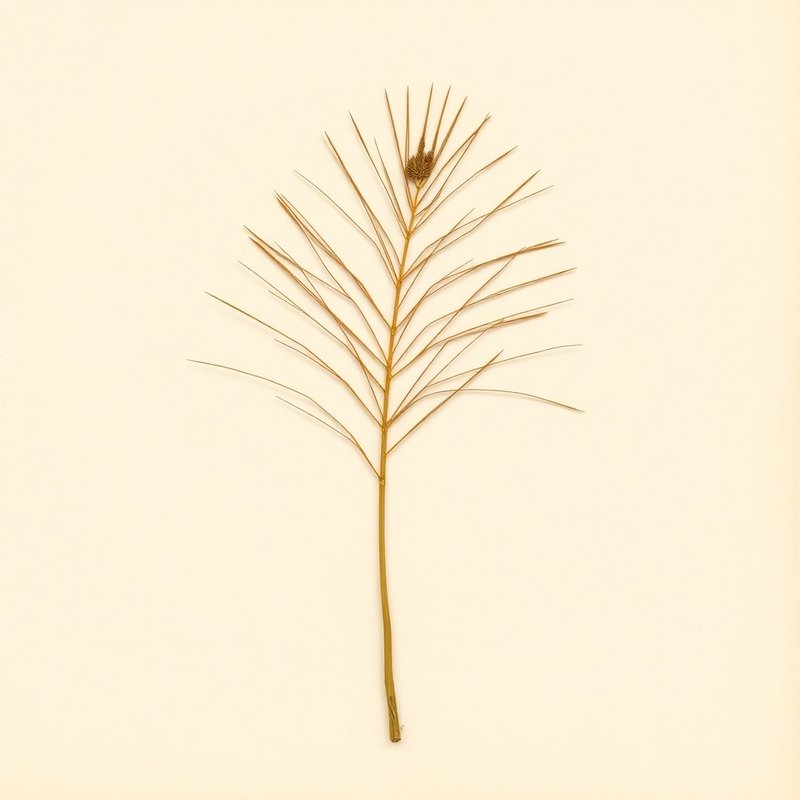
Pl. 2674 — Serenoa repens
Serenoa repensSerenoa repensSerenoa repensSerenoa repensSerenoa repensSerenoa repensSerenoa repensSerenoa repensSerenoa repensSerenoa repensSerenoa repensSerenoa repensSerenoa repensSerenoa repens
IOverview
Overview
Saw Palmetto (Serenoa repens) is a native shrub or small tree found in the southeastern United States, ranging from Alabama to South Carolina. Known for its edible and medicinal properties, this plant thrives in moist environments with light sandy, medium, or clay soils. It prefers full sun and can tolerate soil pH levels between 4.5 and 7.5. The fruit and seed of Saw Palmetto are both edible, making it a valuable resource for foragers. Its distinctive feature is the presence of sharp spines on its stems, which give it a protective appearance.
Quick answers
What is Saw Palmetto?
Saw Palmetto (Serenoa repens) is a native shrub or small tree found in the southeastern United States, ranging from Alabama to South Carolina. Known for its edible and medicinal properties, this plant thrives in moist environments with light sandy, medium, or clay soils.
IV·bMixology suggestions
2 drafts
Mixology suggestions
2 draftsEditorial drafts. These pairings are AI-suggested from traditional herbal lore. Always verify with a qualified herbalist before brewing.
Prostate Health Support
prostatetincture
Traditionally used for prostate health.
Growingconditions · propagation · uses
VCultivation
Cultivation
Saw Palmetto thrives in full sun and prefers moist but well-drained soils ranging from light (sandy) to heavy (clay). It is hardy in zones 8-11, making it suitable for subtropical climates. The plant can grow up to 3 meters tall and is both a tree and a shrub. For propagation, seeds are the most common method. Ensure the soil pH is between 4.5 and 7.5 for optimal growth.
Light
Full sun
Water
Moist
Soil
Light (sandy), Medium, Heavy (clay)
Hardiness
8-11
Habit
Tree, Shrub
Mature size
3.0 m tall
Soil pH
4.5–7.5
For first-time growers
How to grow Saw Palmetto for the first time
8steps
Start with planting a saw palmetto in your garden for its hardiness and low maintenance.
- 1
What you'll need
A saw palmetto sapling, well-draining soil, and a container if starting indoors.
- 2
Best time to plant
Plant in spring or fall when temperatures are mild.
- 3
Soil and container prep
Ensure the soil is light (sandy), medium, or heavy with a pH between 4.5 and 7.5; full sun exposure is ideal.
- 4
Sowing or transplanting
Transplant saplings from containers to your garden bed, ensuring they are planted at the same depth as in their container.
- 5
First two weeks
Water regularly to keep soil moist but not waterlogged; avoid overwatering.
- 6
Ongoing care
Provide full sun and regular watering, especially during dry spells. Mulch around the base for moisture retention.
- 7
Harvest or pruning
Prune dead or damaged branches to maintain shape; fruit can be harvested when ripe.
- 8
Common mistakes
Overwatering, planting in heavy shade, and not providing enough sunlight are common issues beginners face.
VIEdible & utility
Edible & utility
Edible parts:FruitSeed
Edible uses: The saw palmetto fruit and seed are edible. The fruits can be eaten raw or dried, while the seeds are typically consumed after roasting to improve their digestibility. Both parts are often used in herbal preparations such as teas.
Other uses:Weaving materialCrafting
Contextrange · companions · related
VIIDistribution
6 native · 0 introduced
Distribution
6 native · 0 introducedDistribution across1 continent· 6 native
Asia1 region
native (1)Georgia
Broader regions
native:Alabama, Florida, Louisiana, South Carolina, Mississippi
IXSpecimen gallery
1 image
Specimen gallery
1 imageXI
Explore further
Companion planting
Growing zone
XII
About this entry
- Last updated
- Citation
- How to cite this entry · Submit a correction
Back to the cataloguePlant id · 26744146-b668-4e95-a037-10c51ed0a561
Decision aid
Choosing between Saw Palmetto and something else?
Continue reading
❦❦❦❦
Endpaper · archive updates
Get archive updates
Occasional email when substantial new content lands — plant profiles, seasonal growing notes, folk-remedy additions. Free, no tracking, unsubscribe anytime.