
Prickly Sesban
Sesbania bispinosa
Educational content — not medical, botanical, or professional advice. Plant identification, safety, and edibility depend on local conditions, cultivars, and correct identification. Consult a qualified botanist or forager before consuming or handling wild specimens. How we source & review →
Garden journal pausedUse profile notes below
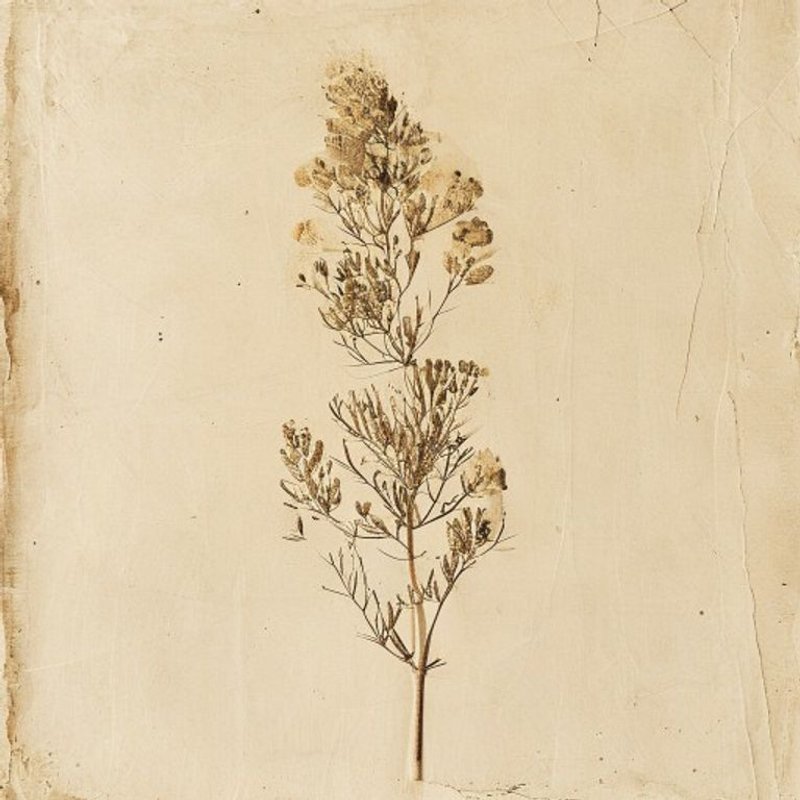
Pl. E1D1 — Sesbania bispinosa
Sesbania bispinosaSesbania bispinosaSesbania bispinosaSesbania bispinosaSesbania bispinosaSesbania bispinosaSesbania bispinosaSesbania bispinosaSesbania bispinosaSesbania bispinosaSesbania bispinosaSesbania bispinosaSesbania bispinosaSesbania bispinosa
IOverview
Overview
Prickly Sesban, scientifically known as Sesbania bispinosa, is an annual or biennial plant native to a wide range of regions including Afghanistan, Andaman Islands, Assam, Bangladesh, Botswana, and many other countries such as Cambodia, Cameroon, and Madagascar. This hardy plant thrives in moist, wet conditions and prefers light (sandy), medium, and heavy (clay) soils, making it adaptable to various environments. It requires full sun exposure and can grow up to 2 meters tall, making it a prominent presence in its growing context. Prickly Sesban is valued for its multiple uses. Its seeds are edible and can be used as a food source, while its spiny stems and leaves make it easily distinguishable from other plants. The plant is also utilized as a cover crop, a wind breaker, and a nitrogen fixer, contributing to soil health and fertility. Additionally, it serves as a useful mulch, gum, and textile material, making it a versatile addition to agricultural and ornamental settings. While primarily native to regions like Afghanistan, Andaman Islands, and Assam, Prickly Sesban has been introduced to other areas such as Argentina Northeast, Aruba, and Cuba, where it can pose a weed potential. This plant's introduction into new regions has made it a valuable resource for soil reclamation and erosion control, but gardeners and farmers should be cautious of its invasive tendencies. In summary, Prickly Sesban is a robust and versatile plant with a wide native range and multiple practical applications. Its distinctive features, including spiny stems and leaves, make it easily identifiable, and its edible seed parts add to its value as a food source. While primarily ornamental and useful in various cultivation contexts, gardeners should be aware of its potential as a weed in new environments.
Quick answers
What is Prickly Sesban?
Prickly Sesban, scientifically known as Sesbania bispinosa, is an annual or biennial plant native to a wide range of regions including Afghanistan, Andaman Islands, Assam, Bangladesh, Botswana, and many other countries such as Cambodia, Cameroon, and Madagascar.
Growingconditions · propagation · uses
VCultivation
Cultivation
Prickly Sesban thrives in full sun and prefers moist to wet soil that is light (sandy), medium, or heavy (clay). It grows as an annual or biennial reaching up to 2 meters in height. Hardy in zones 10-12, this plant requires regular watering but can tolerate a range of soil types. For propagation, seeds are the preferred method.
Light
Full sun
Water
Moist, Wet
Soil
Light (sandy), Medium, Heavy (clay)
Hardiness
10-12
Life cycle
Annual, Biennial
Mature size
2.0 m tall
For first-time growers
How to grow Prickly Sesban for the first time
8steps
Start with Prickly Sesban as an easy-to-grow annual, focusing on basic care and maintenance.
- 1
What you'll need
Seeds or seedlings, a garden fork, a rake, and a watering can.
- 2
Best time to plant
Plant in spring after the last frost, when soil temperatures are warm.
- 3
Soil and container prep
Choose a location with well-draining soil that is light (sandy), medium, or heavy (clay). Ensure it gets full sun.
- 4
Sowing or transplanting
Direct sow seeds 1-2 cm deep and 30-60 cm apart. Transplant seedlings when they have two sets of true leaves.
- 5
First two weeks
Water regularly to keep the soil moist but not waterlogged. Monitor for pests like aphids.
- 6
Ongoing care
Provide regular watering, especially during dry spells. Fertilize lightly with compost every few months.
- 7
Harvest or pruning
Prune back after flowering to encourage more blooms and prevent the plant from becoming too leggy.
- 8
Common mistakes
Overwatering, planting in heavy shade, neglecting regular pruning, not providing enough support for tall plants.
VIEdible & utility
Edible & utility
Edible parts:Seed
Edible uses: Gum
Other uses:FertilizerFiberFire starterCover cropGumHedgerowMulchtextilesPest controlWind breakerSoil conditionerSoil reclamationWeaving materialNitrogen fixer
Contextrange · companions · related
VIIDistribution
43 native · 20 introduced
Distribution
43 native · 20 introducedDistribution across4 continents· 43 native· 20 introduced
Asia17 regions
native (15)AfghanistanBangladeshCambodiaChinaIndiaIranLaosMyanmarOmanPakistanSaudi ArabiaSri LankaThailandVietnamYemen
introduced (2)IraqNepal
Americas5 regions
introduced (5)CubaDominican RepublicHaitiJamaicaPuerto Rico
Africa20 regions
native (18)BotswanaBurkina FasoCabo VerdeCameroonComorosGambiaGuineaKenyaLesothoMadagascarMalawiMauritaniaMauritiusMozambiqueNamibiaSomaliaTanzaniaZimbabwe
introduced (2)EswatiniSeychelles
Oceania1 region
introduced (1)Fiji
Broader regions
native:Andaman Is., Central African Repu, East Himalaya, Hainan, Laccadive Is., Réunion, South China Sea, West Himalaya
introduced:Argentina Northeast, Aruba, Chagos Archipelago, Christmas I., KwaZulu-Natal, Leeward Is., Netherlands Antilles, Northern Provinces, Society Is., Windward Is.
IXSpecimen gallery
1 image
Specimen gallery
1 imageXI
Explore further
Companion planting
Growing zone
Native to
XII
About this entry
- Last updated
- Citation
- How to cite this entry · Submit a correction
Back to the cataloguePlant id · e1d16309-74fe-4281-a8b0-bfb9cbc7cd6b
Decision aid
Choosing between Prickly Sesban and something else?
Continue reading
❦❦❦❦
Endpaper · archive updates
Get archive updates
Occasional email when substantial new content lands — plant profiles, seasonal growing notes, folk-remedy additions. Free, no tracking, unsubscribe anytime.
Newsletter returning soon.
We are rebuilding the update list around a lightweight editorial workflow. New dispatches will resume after the next content review cycle.