
Broom Jute Common Sida Arrow-leaf Sida
Sida rhombifolia
Educational content — not medical, botanical, or professional advice. Plant identification, safety, and edibility depend on local conditions, cultivars, and correct identification. Consult a qualified botanist or forager before consuming or handling wild specimens. How we source & review →
Garden journal pausedUse profile notes below
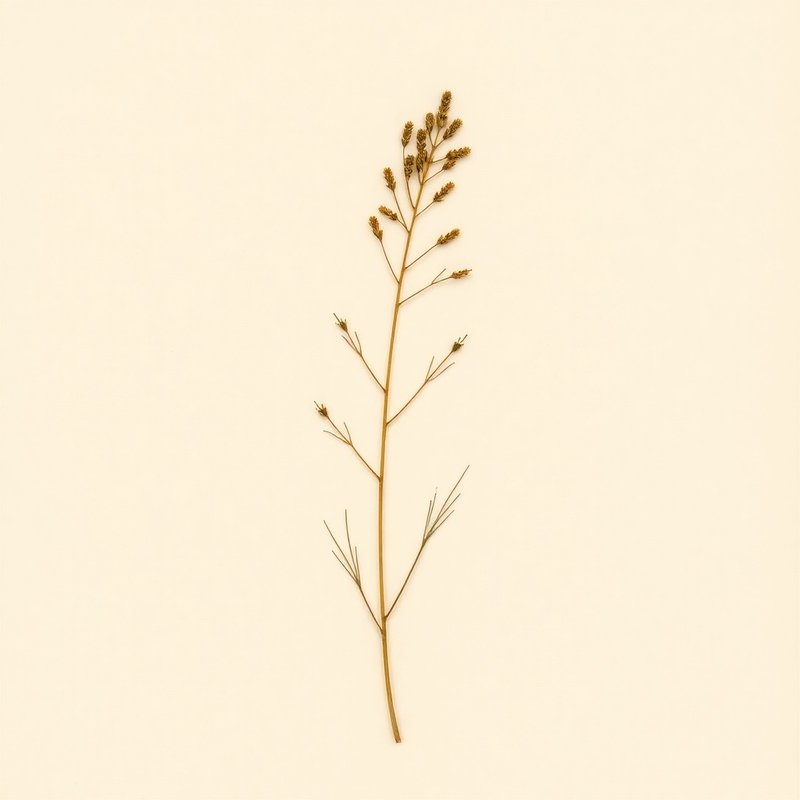
Pl. CC00 — Sida rhombifolia
Sida rhombifoliaSida rhombifoliaSida rhombifoliaSida rhombifoliaSida rhombifoliaSida rhombifoliaSida rhombifoliaSida rhombifoliaSida rhombifoliaSida rhombifoliaSida rhombifoliaSida rhombifoliaSida rhombifoliaSida rhombifolia
IOverview
Overview
Broom Jute (Sida rhombifolia), also known as Common Sida and Arrow-leaf Sida, is a fast-growing shrub in the Malvaceae, or mallow, family. It typically reaches about one meter in height and is distinguished by its rhomboid, or arrow-shaped, leaves, the feature behind its specific epithet. The plant favors full sun and moist, light to medium soils, and is not notably drought tolerant. In cultivation it is hardy in zones 10 to 12. It is not a medicinal species, but its leaves are edible and may be eaten raw or cooked, often prepared in the same manner as spinach, and have long been used as a food source within its native range. The species has a vast native distribution spanning tropical and subtropical Africa and Asia, including Angola, India, Sri Lanka, Bangladesh, Nepal, Thailand, Cambodia, Vietnam, China, Japan, Taiwan, and the Philippines, along with numerous Indian Ocean and Pacific islands. Beyond that range it has been introduced widely, becoming established across the Americas, several Atlantic and Mediterranean locations, and many Pacific islands. This broad spread, together with its rapid growth and capacity to colonize disturbed ground, gives the plant significant weed potential in regions where it is not native. Its combination of edible foliage, shrubby growth form, and ease of establishment gives Broom Jute both culinary and practical interest, though its tendency to spread widely means it is best regarded as a plant to monitor in garden settings.
Quick answers
What is Broom Jute Common Sida Arrow-leaf Sida?
Broom Jute (Sida rhombifolia), also known as Common Sida and Arrow-leaf Sida, is a fast-growing shrub in the Malvaceae, or mallow, family. It typically reaches about one meter in height and is distinguished by its rhomboid, or arrow-shaped, leaves, the feature behind its specific epithet.
Growingconditions · propagation · uses
VCultivation
Cultivation
Sida rhombifolia, known as broom jute, arrow-leaf sida, and common sida, is a full-sun plant that grows to about 1 m tall. It prefers moist conditions and light, sandy to medium soils. Its native range covers tropical Africa and Asia, and it is hardy in zones 10 to 12; elsewhere it is best treated as tender. The edible leaves are the useful part. The data provided does not specify a propagation method, so no recommendation can be made on that point. Growers in warm climates with consistent moisture and free-draining ground will best match these requirements.
Light
Full sun
Water
Moist
Soil
Light (sandy), Medium
Hardiness
10-12
Mature size
1.0 m tall
For first-time growers
How to grow Broom Jute Common Sida Arrow-leaf Sida for the first time
8steps
Start with Broom Jute Common Sida Arrow-leaf Sida by planting it in a sunny spot and following these beginner-friendly steps.
- 1
What you'll need
Seeds or seedlings, potting soil, containers or garden space.
- 2
Best time to plant
Plant in spring when the last frost has passed and temperatures are warm.
- 3
Soil and container prep
Use a well-draining mix with light (sandy) to medium soil. Ensure containers have drainage holes.
- 4
Sowing or transplanting
Direct sow seeds 1 cm deep in the garden or start seedlings indoors and transplant them later.
- 5
First two weeks
Keep the soil moist but not waterlogged. Place a mulch layer to retain moisture.
- 6
Ongoing care
Water regularly, especially during dry spells. Provide full sun exposure for best growth.
- 7
Harvest or pruning
Prune occasionally to encourage bushy growth and remove any dead leaves.
- 8
Common mistakes
Overwatering, planting in heavy soil, neglecting sunlight, not providing enough space for growth.
VIEdible & utility
Edible & utility
Edible parts:Leaves
Edible uses: The leaves of Broom Jute are edible and can be consumed raw or cooked. They are often prepared in similar ways to spinach, providing a nutritious addition to meals.
Contextrange · companions · related
VIIDistribution
75 native · 97 introduced
Distribution
75 native · 97 introducedDistribution across5 continents· 75 native· 97 introduced
Europe4 regions
introduced (4)BelgiumItalyPortugalSpain
Asia17 regions
native (15)BangladeshCambodiaChinaIndiaJapanLaosMyanmarNepalPakistanPhilippinesSri LankaTaiwanThailandVietnamYemen
introduced (2)GeorgiaSouth Korea
Americas23 regions
introduced (23)BahamasBelizeBoliviaColombiaCosta RicaCubaDominican RepublicEcuadorEl SalvadorFrench GuianaGuatemalaGuyanaHaitiHondurasJamaicaNicaraguaParaguayPeruPuerto RicoSurinameUnited StatesUruguayVenezuela
Africa38 regions
native (37)AngolaBeninBotswanaBurkina FasoBurundiCabo VerdeCameroonChadCôte d'IvoireEritreaEswatiniEthiopiaGabonGambiaGhanaGuineaGuinea-BissauKenyaLesothoLiberiaMalawiMaliMauritaniaMauritiusMozambiqueNigerNigeriaRwandaSenegalSeychellesSierra LeoneSudanTanzaniaTogoUgandaZambiaZimbabwe
introduced (1)Comoros
Oceania7 regions
native (1)Vanuatu
introduced (6)FijiNauruNew CaledoniaSamoaTongaTuvalu
Broader regions
native:Cape Provinces, Central African Repu, Christmas I., Congo, East Himalaya, Free State, Gulf of Guinea Is., Hainan, Jawa, Kazan-retto, KwaZulu-Natal, Lesser Sunda Is., Malaya, Marianas, Nansei-shoto, Northern Provinces, Ogasawara-shoto, South China Sea, Sumatera, Zaïre
introduced:Alabama, Aldabra, Andaman Is., Argentina Northeast, Argentina Northwest, Arkansas, Bermuda, Brazil North, Brazil Northeast, Brazil South, Brazil Southeast, Brazil West-Central, Caroline Is., Central American Pac, Chile Central, Cook Is., Czechoslovakia, Easter Is., Florida, Galápagos, Gilbert Is., Kansas, Leeward Is., Line Is., Louisiana, Marquesas, Marshall Is., Maryland, Mexican Pacific Is., Mexico Central, Mexico Gulf, Mexico Northeast, Mexico Northwest, Mexico Southeast, Mexico Southwest, Mississippi, Mozambique Channel I, Niue, Norfolk Is., North Carolina, Oklahoma, Panamá, Pitcairn Is., Réunion, Sinai, Society Is., Solomon Is., South Carolina, Tennessee, Texas, Tokelau-Manihiki, Trinidad-Tobago, Tuamotu, Tubuai Is., Turks-Caicos Is., Venezuelan Antilles, Virginia, Wallis-Futuna Is., Windward Is.
IXSpecimen gallery
1 image
Specimen gallery
1 imageXI
Explore further
Companion planting
Growing zone
Native to
XII
About this entry
- Last updated
- Citation
- How to cite this entry · Submit a correction
Back to the cataloguePlant id · cc004764-e0a0-4d2e-9f3d-d748b21d8496
Decision aid
Choosing between Broom Jute Common Sida Arrow-leaf Sida and something else?
Continue reading
❦❦❦❦
Endpaper · archive updates
Get archive updates
Occasional email when substantial new content lands — plant profiles, seasonal growing notes, folk-remedy additions. Free, no tracking, unsubscribe anytime.
Newsletter returning soon.
We are rebuilding the update list around a lightweight editorial workflow. New dispatches will resume after the next content review cycle.