
Paradise tree
Simarouba amara
Educational content — not medical, botanical, or professional advice. Plant identification, safety, and edibility depend on local conditions, cultivars, and correct identification. Consult a qualified botanist or forager before consuming or handling wild specimens. How we source & review →
Garden journal pausedUse profile notes below
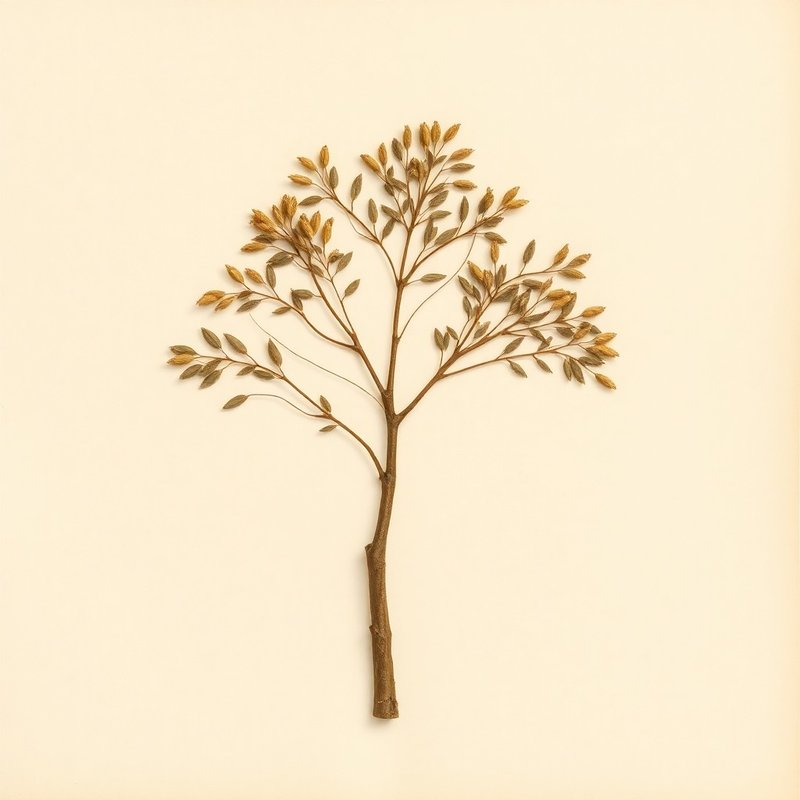
Pl. 51F1 — Simarouba amara
Simarouba amaraSimarouba amaraSimarouba amaraSimarouba amaraSimarouba amaraSimarouba amaraSimarouba amaraSimarouba amaraSimarouba amaraSimarouba amaraSimarouba amaraSimarouba amaraSimarouba amaraSimarouba amara
IOverview
Overview
The Paradise tree (Simarouba amara), a large deciduous tree native to tropical regions of Central and South America, including Belize, Bolivia, Brazil, Colombia, Costa Rica, Ecuador, Guatemala, Guyana, Honduras, Nicaragua, Panama, Peru, Suriname, Trinidad-Tobago, and Venezuela, thrives in diverse environments. This tree can grow up to 25 meters tall and prefers moist to wet conditions with a preference for light or partial sun. It is adaptable to various soil types, including sandy, medium, and clay soils, making it suitable for gardens and landscapes where these conditions are present. The Paradise tree has edible uses, particularly its fruit and seeds, which can be enjoyed as a snack or incorporated into culinary dishes. Its utility extends beyond food; the tree serves multiple purposes such as fire starter, compost material, containers, cosmetic ingredients, fertilizer, lumber, oil production, pest control, soap making, soil conditioner, erosion control, and varnish. It is hardy in zones 10-12, ensuring it can grow well in warmer climates. When cultivating the Paradise tree, ensure the planting site has adequate moisture and well-draining conditions for best growth. Propagation through seeds is recommended, as they are easily accessible and allow for easy propagation of this versatile plant.
Quick answers
What is Paradise tree?
The Paradise tree (Simarouba amara), a large deciduous tree native to tropical regions of Central and South America, including Belize, Bolivia, Brazil, Colombia, Costa Rica, Ecuador, Guatemala, Guyana, Honduras, Nicaragua, Panama, Peru, Suriname, Trinidad-Tobago, and Venezuela, thrives in diverse environments.
Growingconditions · propagation · uses
VCultivation
Cultivation
The Paradise tree (Simarouba amara) thrives in full to partial sun and prefers moist to wet soil that is light (sandy), medium, or heavy (clay). It can grow up to 25 meters tall and is hardy in temperate regions with a minimum temperature range of 10-12. For propagation, seeds are the preferred method. Ensure the tree has adequate moisture and well-draining soil for best growth.
Light
Full sun, Partial sun/shade
Water
Moist, Wet
Soil
Light (sandy), Medium, Heavy (clay)
Hardiness
10-12
Mature size
25.0 m tall
For first-time growers
How to grow Paradise tree for the first time
8steps
Start with a Paradise tree to experience growing a tropical plant in your garden.
- 1
What you'll need
A young Paradise tree sapling, well-draining soil, and a large container or planting space.
- 2
Best time to plant
Plant the Paradise tree during spring when temperatures are warm and stable.
- 3
Soil and container prep
Use a mix of light sandy soil, medium soil, and heavy clay for good drainage. Ensure containers have adequate holes for water to escape.
- 4
Sowing or transplanting
Transplant the sapling into your prepared container or planting area, ensuring it is at the same depth as in its current pot.
- 5
First two weeks
Water regularly to keep the soil moist but not waterlogged. Place the tree in a sunny spot with partial shade during the hottest part of the day.
- 6
Ongoing care
Provide full sun or partial shade, and maintain consistent moisture levels. Fertilize lightly every few months using a balanced fertilizer.
- 7
Harvest or pruning
Prune young branches to shape the tree and remove any dead or damaged parts as needed.
- 8
Common mistakes
Overwatering, planting in heavy soil without proper drainage, and not providing enough sunlight are common issues beginners face.
VIEdible & utility
Edible & utility
Edible parts:FruitSeed
Edible uses: Oil, Drink
Other uses:Fire starterCompostContainersCosmeticFertilizerLumberoilPest controlSoap makingSoil conditionerErosion controlVarnish
Contextrange · companions · related
VIIDistribution
27 native · 0 introduced
Distribution
27 native · 0 introducedDistribution across1 continent· 27 native
Americas14 regions
native (14)BelizeBoliviaColombiaCosta RicaEcuadorEl SalvadorFrench GuianaGuatemalaGuyanaHondurasNicaraguaPeruSurinameVenezuela
Broader regions
native:Brazil North, Brazil Northeast, Brazil Southeast, Brazil West-Central, Leeward Is., Mexico Central, Mexico Gulf, Mexico Southeast, Mexico Southwest, Panamá, Southwest Caribbean, Trinidad-Tobago, Windward Is.
IXSpecimen gallery
1 image
Specimen gallery
1 imageXI
Explore further
Companion planting
Growing zone
Native to
XII
About this entry
- Last updated
- Citation
- How to cite this entry · Submit a correction
Back to the cataloguePlant id · 51f1ea9b-e1d4-47c0-8c98-17af6e9df2a5
Decision aid
Choosing between Paradise tree and something else?
Continue reading
❦❦❦❦
Endpaper · archive updates
Get archive updates
Occasional email when substantial new content lands — plant profiles, seasonal growing notes, folk-remedy additions. Free, no tracking, unsubscribe anytime.
Newsletter returning soon.
We are rebuilding the update list around a lightweight editorial workflow. New dispatches will resume after the next content review cycle.