
Jojoba
Simmondsia chinensis
Educational content — not medical, botanical, or professional advice. Plant identification, safety, and edibility depend on local conditions, cultivars, and correct identification. Consult a qualified botanist or forager before consuming or handling wild specimens. How we source & review →
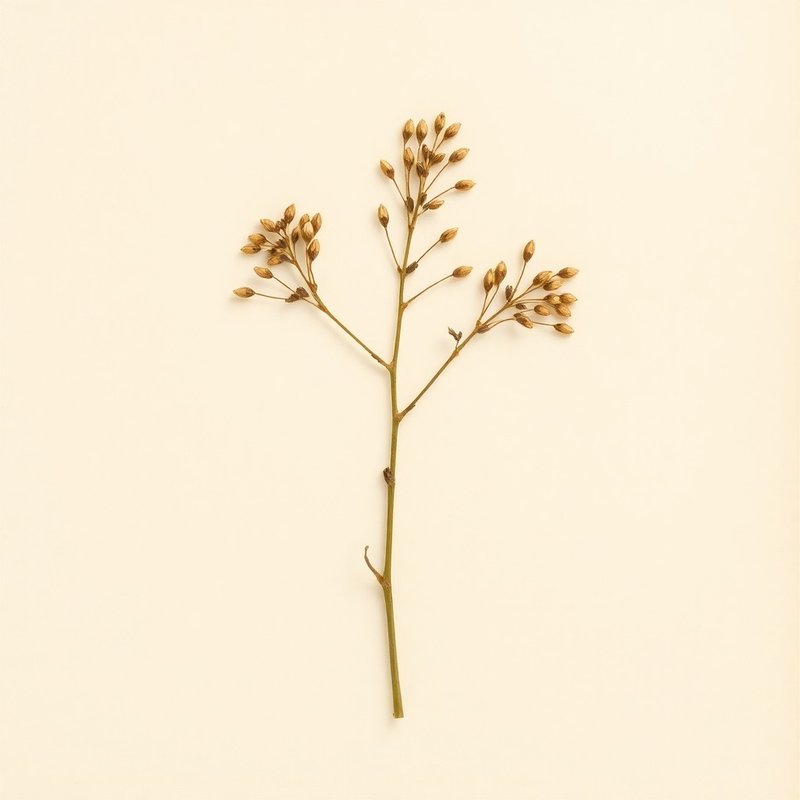
Pl. BC4E — Simmondsia chinensis
Simmondsia chinensisSimmondsia chinensisSimmondsia chinensisSimmondsia chinensisSimmondsia chinensisSimmondsia chinensisSimmondsia chinensisSimmondsia chinensisSimmondsia chinensisSimmondsia chinensisSimmondsia chinensisSimmondsia chinensisSimmondsia chinensisSimmondsia chinensis
IOverview
Overview
Jojoba (Simmondsia chinensis) is a shrub native to the southwestern United States and northwestern Mexico. Known for its versatility, this plant thrives in full sun and well-draining soil with a pH between 7 and 8.5. It can grow up to 2 meters tall and is adaptable to various conditions, making it suitable for cultivation in regions like Arizona, California, New Mexico, Utah, and parts of Mexico. Jojoba is valued for its edible seeds, which are rich in oil and can be used as a cooking ingredient or pressed for jojoba oil. Its distinctive feature lies in the waxy coating on its leaves, which helps it conserve water in arid environments.
Quick answers
What is Jojoba?
Jojoba (Simmondsia chinensis) is a shrub native to the southwestern United States and northwestern Mexico. Known for its versatility, this plant thrives in full sun and well-draining soil with a pH between 7 and 8.5.
Growingconditions · propagation · uses
VCultivation
Cultivation
Jojoba thrives in full sun and requires moist but well-draining soil that is light (sandy) to medium textured. It is hardy in zones 9-12, making it suitable for warmer climates. Propagate through seeds. Regular watering is essential, especially during the growing season. This shrub can reach a height of 2 meters and is native to regions including Arizona, California, and parts of Mexico.
Light
Full sun
Water
Moist
Soil
Light (sandy), Medium
Hardiness
9-12
Habit
Shrub
Mature size
2.0 m tall
Soil pH
7–8.5
For first-time growers
How to grow Jojoba for the first time
8steps
Start with a simple, low-maintenance shrub that thrives in full sun and well-draining soil.
- 1
What you'll need
Jojoba seeds or seedlings, potting mix suitable for cacti or succulents.
- 2
Best time to plant
Plant in late winter or early spring when the soil is moist and warm.
- 3
Soil and container prep
Use a light, sandy soil with good drainage. Ensure containers have adequate holes for water to escape.
- 4
Sowing or transplanting
Plant seeds 1-2 cm deep in the soil. For seedlings, plant them at the same depth they were in their container.
- 5
First two weeks
Water sparingly but thoroughly once a week to avoid waterlogging. Keep the soil moist but not soggy.
- 6
Ongoing care
Provide full sun and regular watering during dry periods, especially when young. Fertilize lightly in spring with a balanced fertilizer.
- 7
Harvest or pruning
Prune to maintain shape and remove dead branches. Harvest seeds when they turn light brown and are easily removed from the pod.
- 8
Common mistakes
Overwatering, planting in heavy soil, not providing enough sunlight, neglecting to prune, and using too much fertilizer.
VIEdible & utility
Edible & utility
Edible parts:Seed
Edible uses: The jojoba seed is edible and can be eaten raw or ground into a meal. It is also used to make oil, which can be consumed or used in cooking. The seeds are typically pressed for their oil, which has a long shelf life and is often used as a substitute for other oils in various applications.
Contextrange · companions · related
VIIDistribution
6 native · 0 introduced
Distribution
6 native · 0 introducedDistribution across0 continents· 6 native
Broader regions
native:Arizona, California, Mexico Northeast, Mexico Northwest, New Mexico, Utah
IXSpecimen gallery
1 image
Specimen gallery
1 imageXI
Explore further
Companion planting
Growing zone
XII
About this entry
- Last updated
- Citation
- How to cite this entry · Submit a correction
Back to the cataloguePlant id · bc4e9a57-8e50-4c73-81a4-6f849e86866e
Decision aid
Choosing between Jojoba and something else?
Continue reading
❦❦❦❦
Endpaper · archive updates
Get archive updates
Occasional email when substantial new content lands — plant profiles, seasonal growing notes, folk-remedy additions. Free, no tracking, unsubscribe anytime.