
Sison amomum
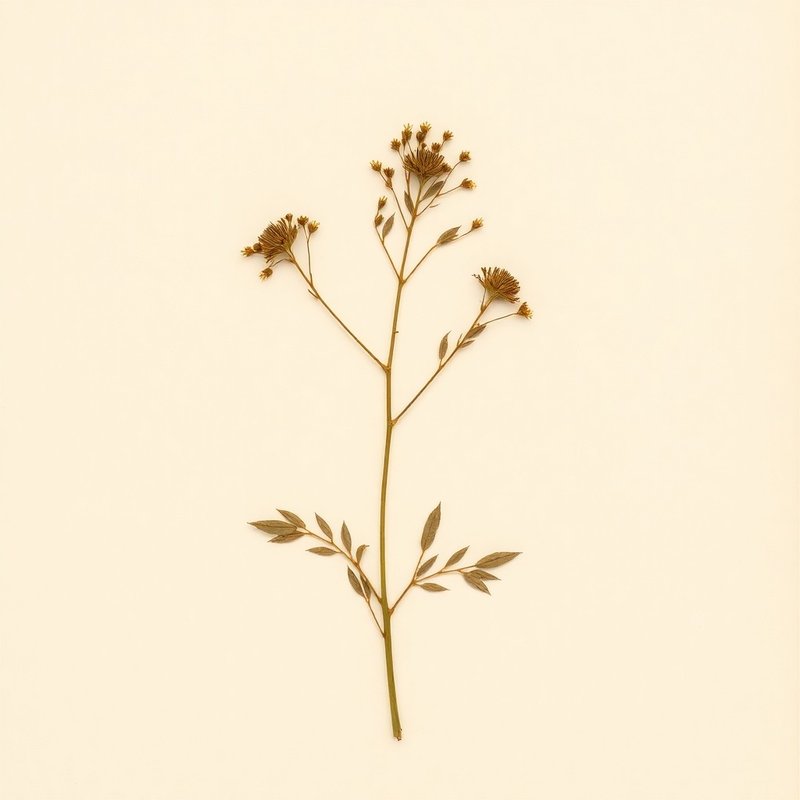
IOverview
Overview
Sison amomum, known by its Latin name Sison amomum, is a biennial plant native to regions including Albania, Algeria, Baleares, Bulgaria, Corse, France, Great Britain, Greece, Italy, North Caucasus, Romania, Sardegna, Sicilia, Spain, Switzerland, Transcaucasus, Turkey, Turkey-in-Europe, and Yugoslavia. This plant thrives in moist, light (sandy), medium, or heavy (clay) soil with a pH of 7.5–8, making it adaptable to various growing conditions. It is notable for its edible root parts, which can be harvested during its biennial life cycle. Sison amomum can grow up to 1 meter tall and is appreciated in gardens for its ornamental value as well as its culinary uses. The plant is often used as a condiment and can add a unique flavor to dishes. While primarily valued for its edible root, Sison amomum is also a decorative plant, suitable for gardens and landscaping in temperate regions.
What is Sison amomum?
Sison amomum, known by its Latin name Sison amomum, is a biennial plant native to regions including Albania, Algeria, Baleares, Bulgaria, Corse, France, Great Britain, Greece, Italy, North Caucasus, Romania, Sardegna, Sicilia, Spain, Switzerland, Transcaucasus, Turkey, Turkey-in-Europe, and Yugoslavia.
VCultivation
Cultivation
How to grow Sison amomum for the first time
Start with a simple planting of Sison amomum to gain experience in basic gardening.
- 1
What you'll need
A small pot, quality soil, and seeds or young plants.
- 2
Best time to plant
Plant in spring when the last frost has passed.
- 3
Soil and container prep
Use a well-draining potting mix with a pH of 7.5–8.
- 4
Sowing or transplanting
Direct sow seeds outdoors or start them indoors and transplant when the weather warms.
- 5
First two weeks
Keep soil consistently moist, providing light shade if necessary.
- 6
Ongoing care
Water regularly to maintain moisture levels. Fertilize sparingly with a balanced plant food.
- 7
Harvest or pruning
Prune after flowering to encourage new growth and remove dead foliage.
- 8
Common mistakes
Overwatering, using incorrect soil pH, neglecting regular watering, not providing enough light, and over-fertilizing.
VIEdible & utility
Edible & utility
VIIDistribution
19 native · 0 introduced
Distribution
19 native · 0 introducedIXSpecimen gallery
1 image
Specimen gallery
1 imageExplore further
About this entry
- Last updated
- Citation
- How to cite this entry · Submit a correction
Continue reading
Get archive updates
Occasional email when substantial new content lands — plant profiles, seasonal growing notes, folk-remedy additions. Free, no tracking, unsubscribe anytime.