
Smilax nipponica
IOverview
Overview
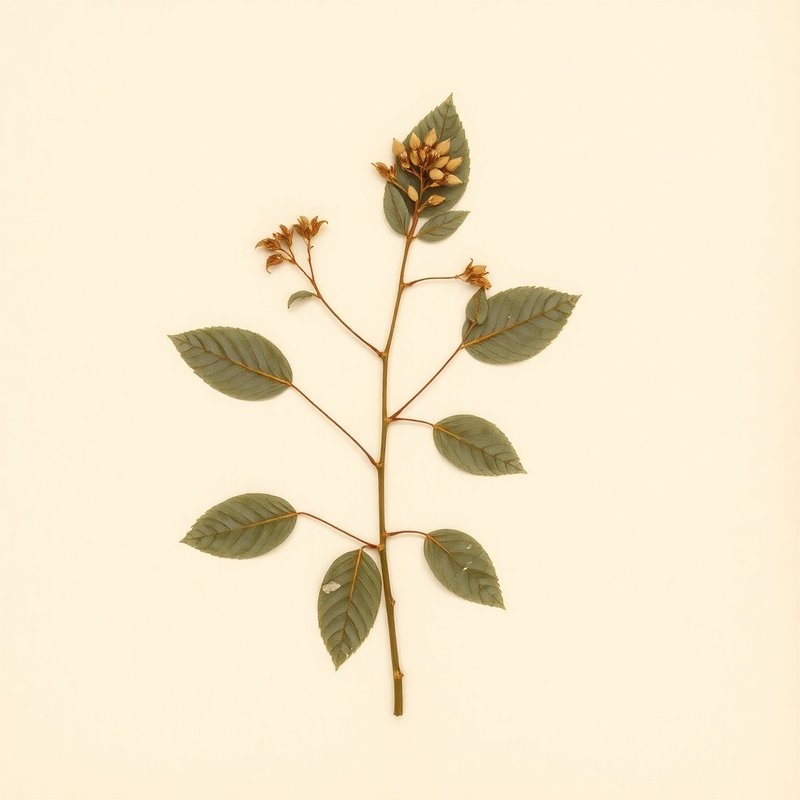
Smilax nipponica, a perennial vine belonging to the family Aristolochiaceae, is native to regions including China North-Central, South-Central, and Southeast, as well as parts of Japan, Korea, and Taiwan. This plant thrives in moist environments with light to partial shade and can grow up to 2 meters tall. Its adaptability is notable, as it can flourish in various soil types, from light sandy to heavy clay. Smilax nipponica is both edible and medicinal, with different parts of the plant—such as the fruit, leaves, roots, and shoots—being utilized in culinary and traditional medicine applications. This versatile plant is known for its resilience and can be found in diverse habitats across its native range. While its use in traditional medicine is recognized, it is important to use caution and consult a healthcare professional before incorporating any plant into a treatment regimen.
What is Smilax nipponica?
Smilax nipponica, a perennial vine belonging to the family Aristolochiaceae, is native to regions including China North-Central, South-Central, and Southeast, as well as parts of Japan, Korea, and Taiwan. This plant thrives in moist environments with light to partial shade and can grow up to 2 meters tall.
IV·bMixology suggestions
2 drafts
Mixology suggestions
2 draftsVCultivation
Cultivation
How to grow Smilax nipponica for the first time
Start with planting Skip in a sunny to partially shaded spot, and follow these steps for success.
- 1
What you'll need
Skip plants, well-draining soil, mulch, water can.
- 2
Best time to plant
Plant Skip in spring or early fall when the weather is mild.
- 3
Soil and container prep
Ensure the soil is light (sandy), medium, or heavy with good drainage. Amend as needed.
- 4
Sowing or transplanting
Transplant Skip from a nursery pot to your garden bed or use containers with holes for drainage.
- 5
First two weeks
Water regularly to keep the soil moist but not waterlogged. Monitor for any signs of stress.
- 6
Ongoing care
Provide partial shade if full sun is too intense, especially in hot climates. Water when dry and mulch to retain moisture.
- 7
Harvest or pruning
Prune Skip in late winter before new growth starts to maintain shape and remove dead parts.
VIEdible & utility
Edible & utility
VIIDistribution
7 native · 0 introduced
Distribution
7 native · 0 introducedIXSpecimen gallery
1 image
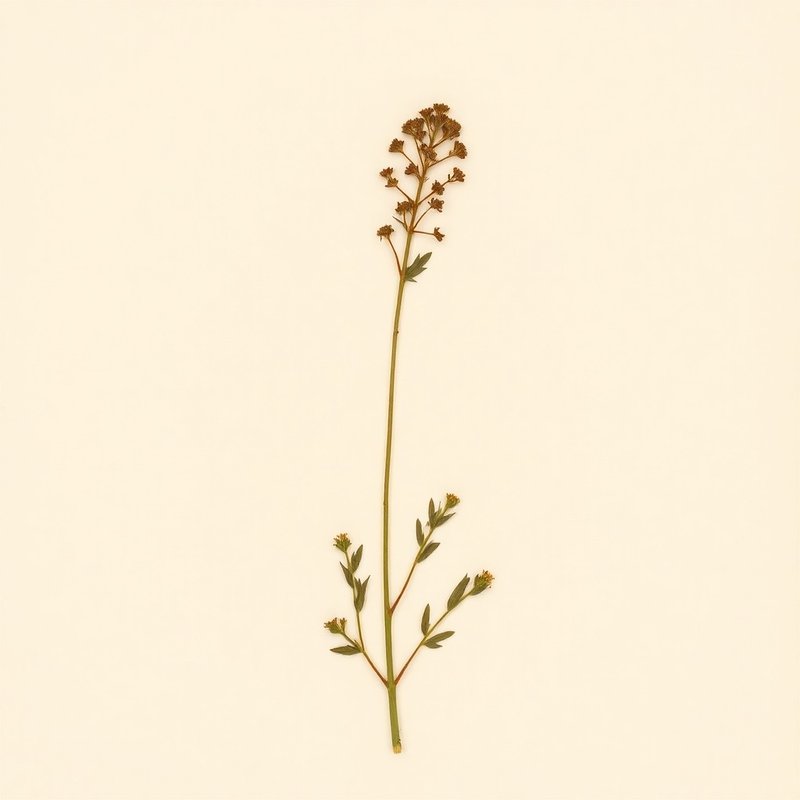
Specimen gallery
1 imageXSee also
8 related
See also
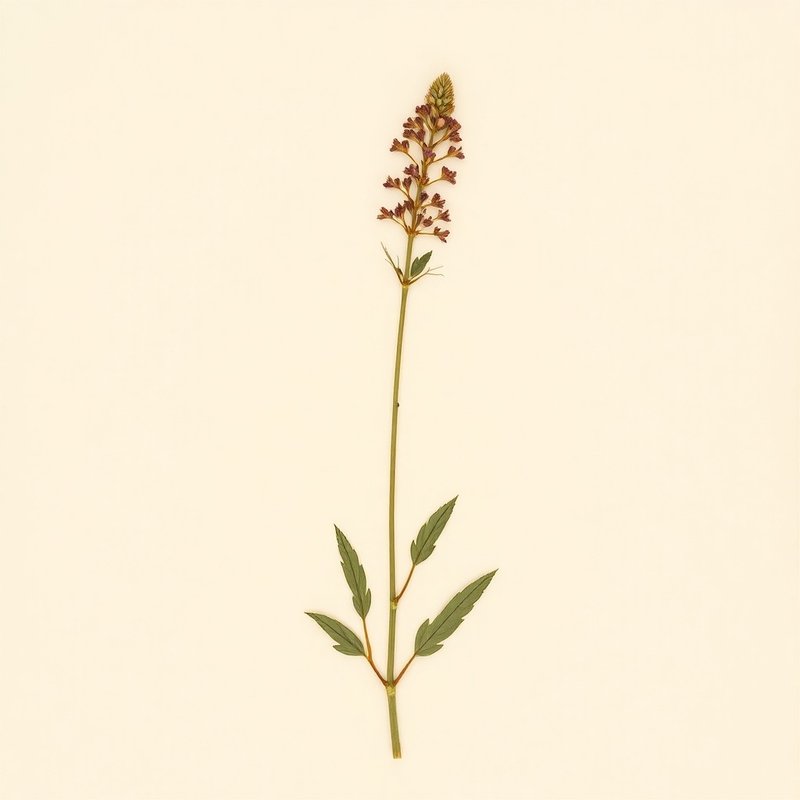
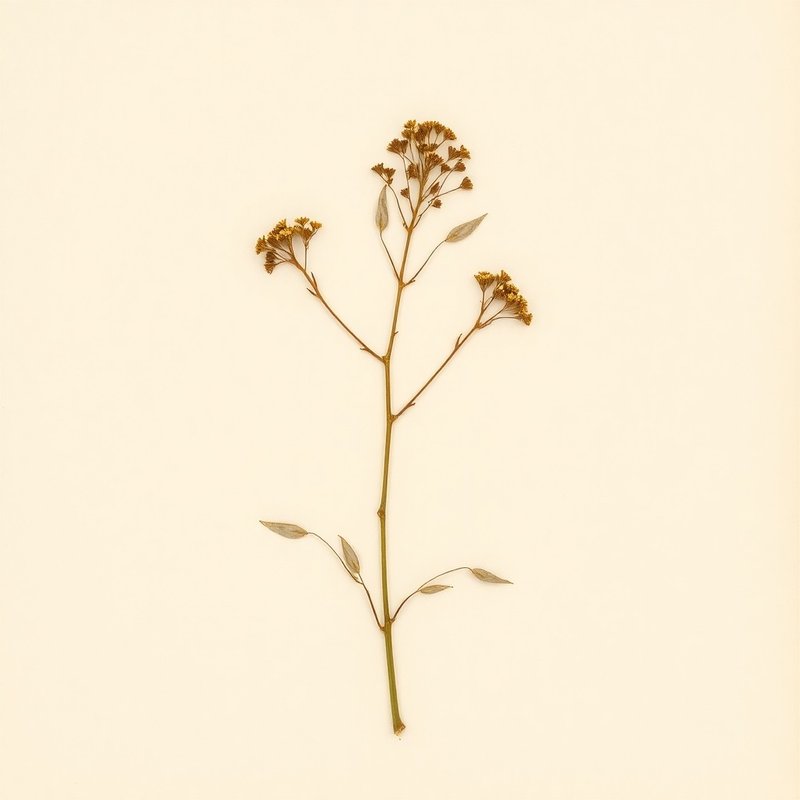
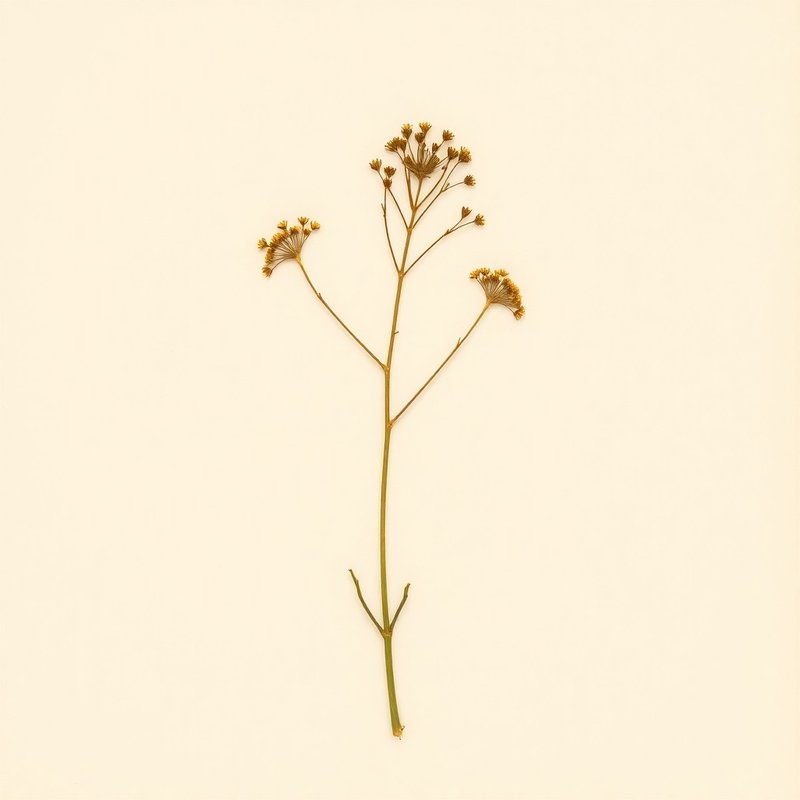
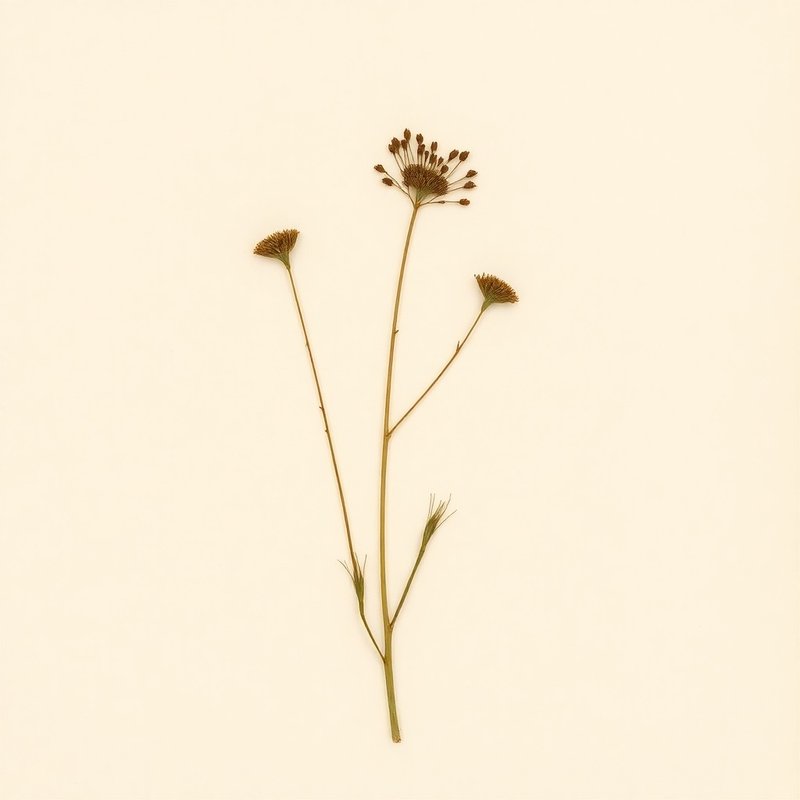
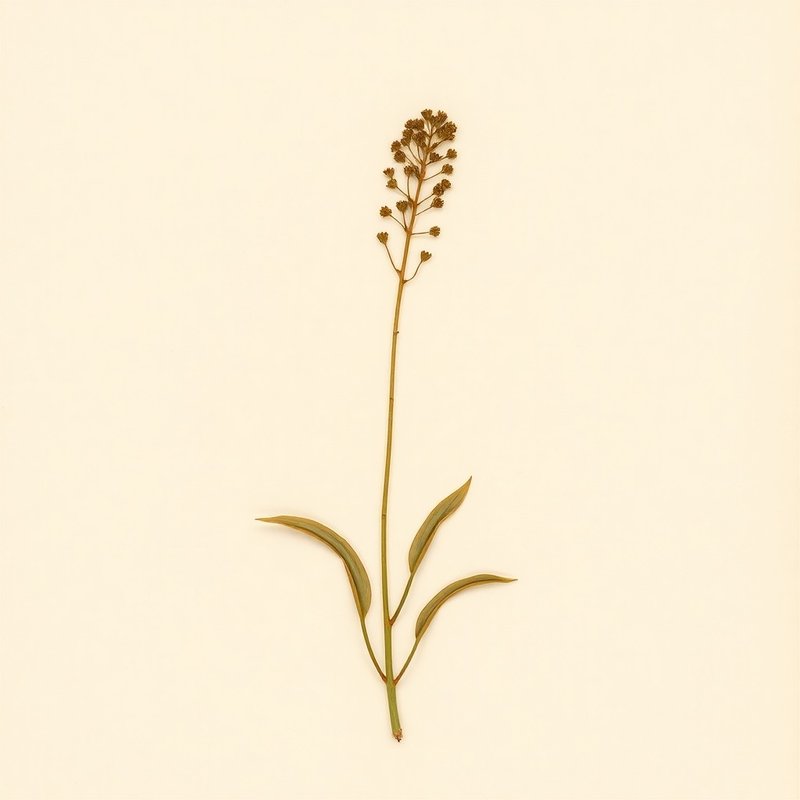
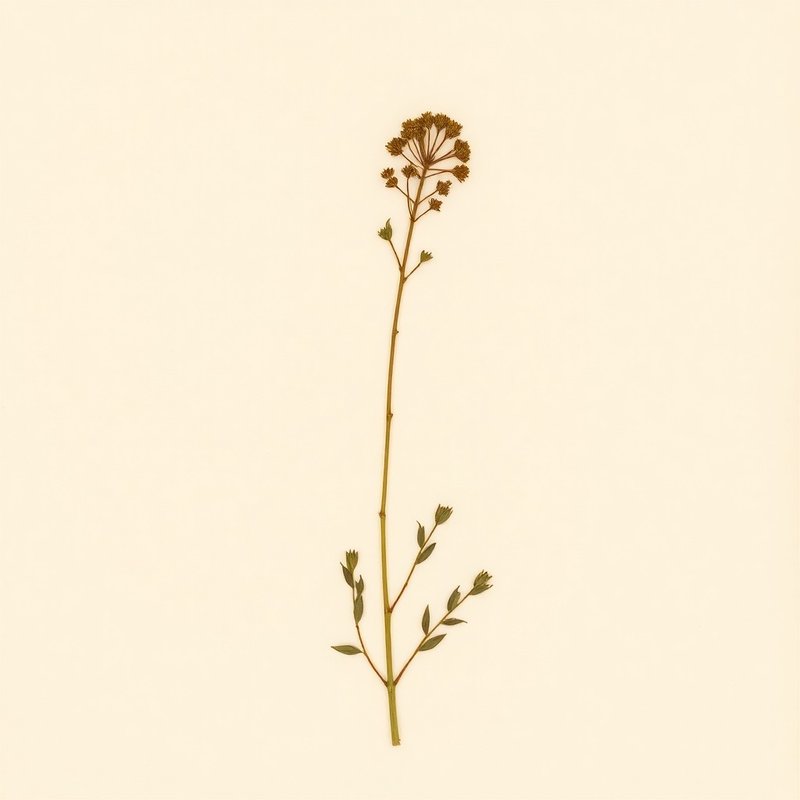
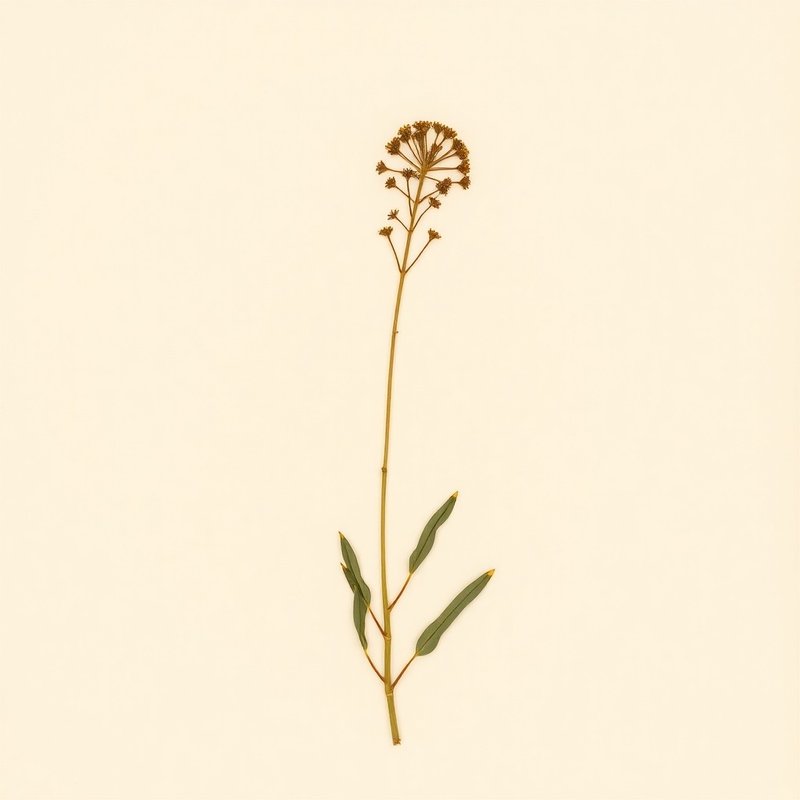
8 relatedPlants you might compare or use together — scored by shared family (Aristolochiaceae), common use cases, and growing requirements.
Explore further
About this entry
- Last updated
- Citation
- How to cite this entry · Submit a correction
Continue reading
Get archive updates
Occasional email when substantial new content lands — plant profiles, seasonal growing notes, folk-remedy additions. Free, no tracking, unsubscribe anytime.