
Smilax riparia
Smilax riparia
Educational content — not medical, botanical, or professional advice. Always consult a qualified clinician before using any herbal preparation — especially during pregnancy, breastfeeding, while on medication, or for children. How we source & review →
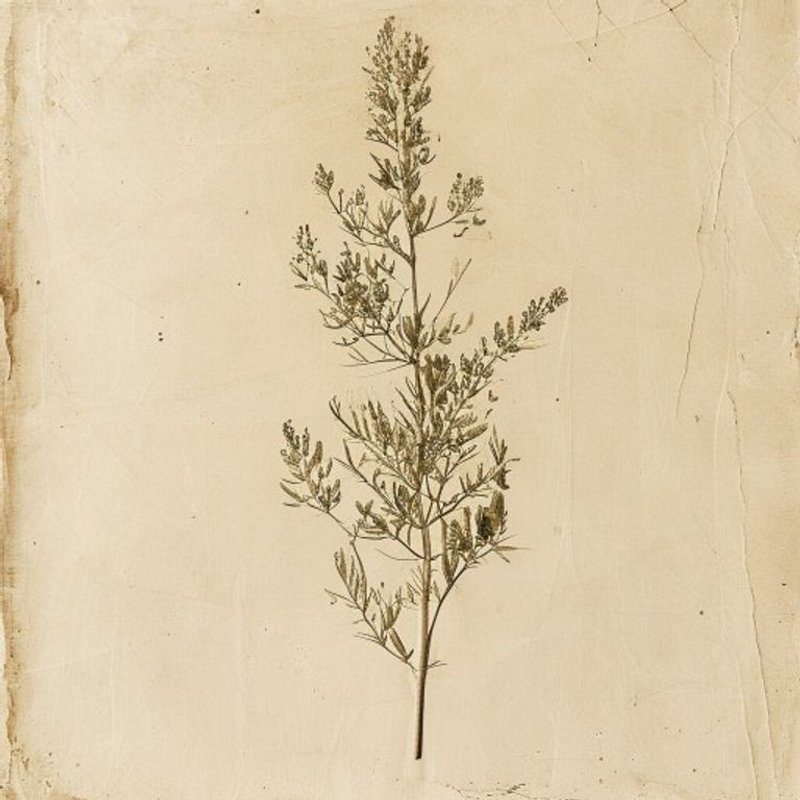
Pl. 799B — Smilax riparia
Smilax ripariaSmilax ripariaSmilax ripariaSmilax ripariaSmilax ripariaSmilax ripariaSmilax ripariaSmilax ripariaSmilax ripariaSmilax ripariaSmilax ripariaSmilax ripariaSmilax ripariaSmilax riparia
IOverview
Overview
Smilax riparia, known as Skip in English, is a perennial plant native to Inner Mongolia and Brazil Southeast. This member of the Dioscoreaceae family thrives in moist environments with light or partial sun exposure. Its edible parts include fruit, leaves, and shoots, making it valuable for both culinary and medicinal purposes. In its natural habitat, Skip can be found growing in soils ranging from light (sandy) to heavy (clay). One distinctive feature of this plant is its adaptability to various soil types and its ability to grow well under a variety of light conditions, from full sun to partial shade.
Quick answers
What is Smilax riparia?
Smilax riparia, known as Skip in English, is a perennial plant native to Inner Mongolia and Brazil Southeast. This member of the Dioscoreaceae family thrives in moist environments with light or partial sun exposure.
IV·bMixology suggestions
2 drafts
Mixology suggestions
2 draftsEditorial drafts. These pairings are AI-suggested from traditional herbal lore. Always verify with a qualified herbalist before brewing.
Digestive Harmony
digestiontincture
Historically used for digestive support.
Growingconditions · propagation · uses
VCultivation
Cultivation
Smilax riparia thrives in full to partial sun and prefers moist, well-drained soil that can be light (sandy), medium, or heavy (clay). This perennial is hardy in temperate regions and grows best when the edible parts—fruit, leaves, and shoots—are harvested. For optimal growth, ensure the plant receives adequate moisture. Propagation can occur through division or by seed.
Light
Full sun, Partial sun/shade
Water
Moist
Soil
Light (sandy), Medium, Heavy (clay)
Life cycle
Perennial
For first-time growers
How to grow Smilax riparia for the first time
8steps
Start with Skip by providing it with the right conditions and care, focusing on basic gardening techniques.
- 1
What you'll need
A young Skip plant or seeds, a container if planting in a pot, well-draining soil, and water.
- 2
Best time to plant
Plant Skip in early spring when the danger of frost has passed or in late summer for cooler climates.
- 3
Soil and container prep
Use a mix of light (sandy), medium, or heavy clay soil. Ensure containers have drainage holes.
- 4
Sowing or transplanting
Transplant Skip from its nursery pot to your garden bed or a larger container if needed.
- 5
First two weeks
Water the plant regularly to keep the soil moist but not waterlogged. Avoid direct sunlight for the first week.
- 6
Ongoing care
Provide full sun to partial shade and water when the top inch of soil feels dry. Prune occasionally to maintain shape.
- 7
Harvest or pruning
Prune Skip in late winter to encourage new growth and remove any dead or damaged parts.
- 8
Common mistakes
Overwatering, planting in full sun, neglecting regular pruning, not providing enough support for climbing, and using unsuitable soil types.
VIEdible & utility
Edible & utility
Edible parts:FruitLeavesShoots
Edible uses: The Smilax riparia plant from Inner Mongolia is edible and can be consumed in various forms. The leaves, shoots, and fruit are typically eaten raw or cooked. In some regions, the young shoots are prepared by steaming or boiling before consumption. The fruits may also be enjoyed fresh or used in cooking.
Contextrange · companions · related
VIIDistribution
2 native · 11 introduced
Distribution
2 native · 11 introducedDistribution across1 continent· 2 native· 11 introduced
Asia7 regions
native (1)China
introduced (6)ChinaJapanPhilippinesSouth KoreaTaiwanVietnam
Broader regions
native:Brazil Southeast
introduced:Hainan, Primorye
IXSpecimen gallery
1 image
Specimen gallery
1 imageXI
Explore further
Companion planting
XII
About this entry
- Last updated
- Citation
- How to cite this entry · Submit a correction
Back to the cataloguePlant id · 799b0cea-6b81-4508-917d-b251253e8485
Decision aid
Choosing between Smilax riparia and something else?
Continue reading
❦❦❦❦
Endpaper · archive updates
Get archive updates
Occasional email when substantial new content lands — plant profiles, seasonal growing notes, folk-remedy additions. Free, no tracking, unsubscribe anytime.