
Solanum sisymbriifolium
Solanum sisymbriifoliumfam. Solanaceae
Educational content — not medical, botanical, or professional advice. Always consult a qualified clinician before using any herbal preparation — especially during pregnancy, breastfeeding, while on medication, or for children. How we source & review →
Garden journal pausedUse profile notes below
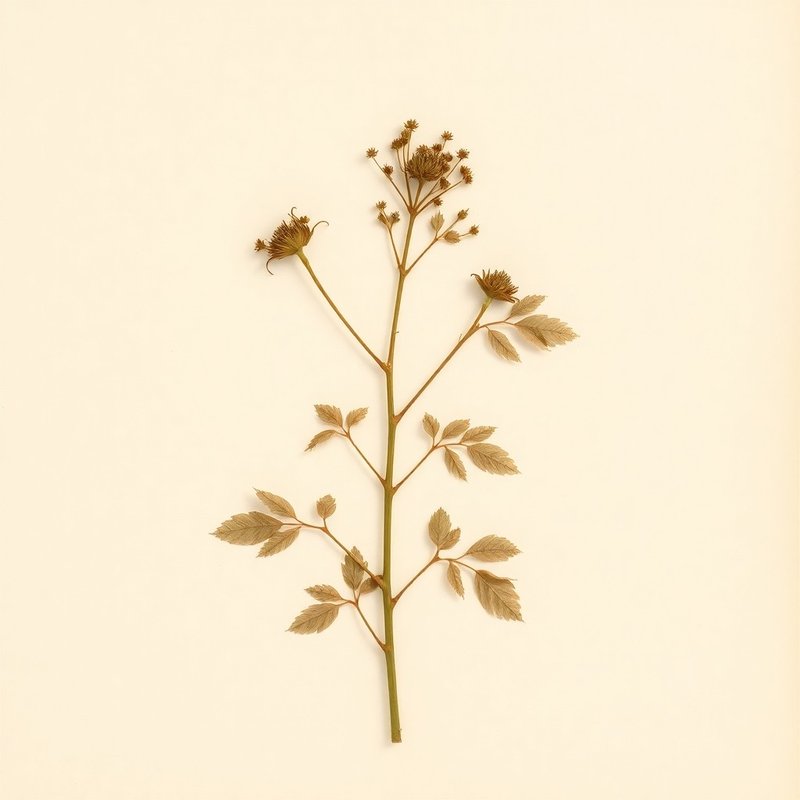
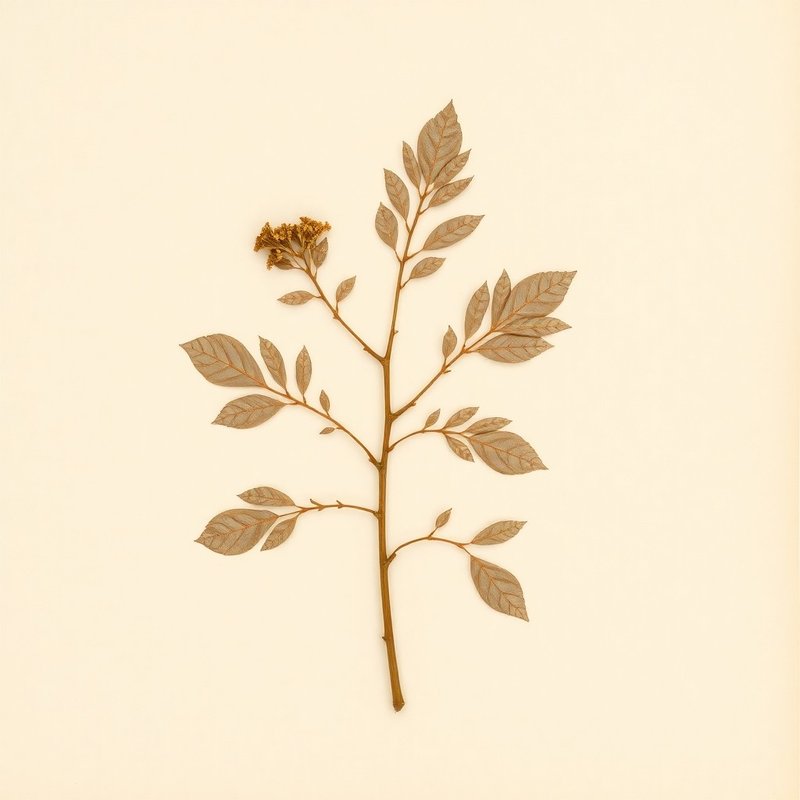
Pl. BB56 — Solanum sisymbriifolium
Solanum sisymbriifoliumSolanum sisymbriifoliumSolanum sisymbriifoliumSolanum sisymbriifoliumSolanum sisymbriifoliumSolanum sisymbriifoliumSolanum sisymbriifoliumSolanum sisymbriifoliumSolanum sisymbriifoliumSolanum sisymbriifoliumSolanum sisymbriifoliumSolanum sisymbriifoliumSolanum sisymbriifoliumSolanum sisymbriifolium
IOverview
Overview
Solanum sisymbriifolium, commonly known as prickly nightshade or Argentine groundcherry, is a perennial herb belonging to the Solanaceae family. Native to several regions across South America, including Argentina, Bolivia, Brazil, Chile, Colombia, Ecuador, Paraguay, and Peru, this plant thrives in a variety of environments, particularly in moist, light to partial sun conditions. Its adaptability allows it to grow up to 1 meter tall, making it a versatile addition to gardens and natural landscapes. The fruit of Solanum sisymbriifolium is both edible and medicinal. It can be enjoyed raw or cooked, adding a tangy flavor to stews and soups. The plant has been introduced to numerous regions worldwide, including parts of North America, Europe, and Asia, highlighting its widespread appeal. In traditional medicine, the plant is valued for its potential health benefits, though specific uses and benefits should be approached with caution. While the plant is generally safe for consumption, it is important to exercise caution when handling and consuming any part of Solanum sisymbriifolium, as some members of the Solanaceae family can be toxic. Always ensure proper identification and seek guidance from a healthcare professional before using any plant for medicinal purposes.
Quick answers
What is Solanum sisymbriifolium?
Solanum sisymbriifolium, commonly known as prickly nightshade or Argentine groundcherry, is a perennial herb belonging to the Solanaceae family.
IV·bMixology suggestions
2 drafts
Mixology suggestions
2 draftsEditorial drafts. These pairings are AI-suggested from traditional herbal lore. Always verify with a qualified herbalist before brewing.
Digestive Harmony
digestiontincture
Used traditionally for digestive support.
Growingconditions · propagation · uses
VCultivation
Cultivation
Solanum sisymbriifolium thrives in full to partial sun and prefers moist, well-draining soil that can be light (sandy), medium, or heavy (clay). This perennial plant grows up to 1 meter tall and is hardy in temperate regions. For best results, ensure the soil remains consistently moist. Propagation can be done through seeds or cuttings. The edible parts are the fruit, which can be enjoyed fresh or used in various culinary applications.
Light
Full sun, Partial sun/shade
Water
Moist
Soil
Light (sandy), Medium, Heavy (clay)
Life cycle
Perennial
Habit
Forb/herb
Mature size
1.0 m tall
For first-time growers
How to grow Solanum sisymbriifolium for the first time
8steps
Start with a simple, light-loving Skip plant in your garden for a beginner-friendly experience.
- 1
What you'll need
Skip seeds or seedlings, a small trowel, and a watering can.
- 2
Best time to plant
Plant Skip during spring when the weather is warm and stable.
- 3
Soil and container prep
Choose a spot with well-draining soil that's light (sandy), medium, or heavy (clay). Ensure it gets full sun to partial shade.
- 4
Sowing or transplanting
Direct sow seeds 1 cm deep in the ground after all danger of frost has passed. Alternatively, start seedlings indoors and transplant them when they have two sets of true leaves.
- 5
First two weeks
Water regularly to keep the soil moist but not waterlogged. Monitor for pests and diseases.
- 6
Ongoing care
Provide regular watering, especially during dry spells. Fertilize lightly every few months with compost or a balanced fertilizer.
- 7
Harvest or pruning
Prune Skip to maintain its shape and encourage new growth. Harvest the fruit when it turns bright red.
- 8
Common mistakes
Overwatering, planting in heavy shade, neglecting regular pruning, and not providing enough nutrients.
VIEdible & utility
Edible & utility
Edible parts:Fruit
Edible uses: The fruit of Solanum sisymbriifolium is edible and can be eaten raw or cooked. It is often prepared in stews or soups, adding a tangy flavor to dishes. The plant thrives in light to partial shade with moist soil and is native to several regions across South America.
Contextrange · companions · related
VIIDistribution
14 native · 51 introduced
Distribution
14 native · 51 introducedDistribution across4 continents· 14 native· 51 introduced
Europe3 regions
introduced (3)BelgiumGermanyRussia
Asia8 regions
introduced (8)BangladeshChinaGeorgiaIndiaNepalSouth KoreaTaiwanUzbekistan
Americas8 regions
native (6)BoliviaColombiaEcuadorParaguayPeruUruguay
introduced (2)Costa RicaCuba
Africa5 regions
introduced (5)BeninEswatiniKenyaLesothoMorocco
Broader regions
native:Argentina Northeast, Argentina Northwest, Brazil North, Brazil Northeast, Brazil South, Brazil Southeast, Brazil West-Central, Chile Central
introduced:Alabama, Arizona, Baltic States, California, Cape Provinces, Delaware, East Himalaya, Florida, Free State, Jawa, KwaZulu-Natal, Louisiana, Masachusettes, Massachusetts, Mississippi, New Jersey, New South Wales, New York, North Carolina, Northern Provinces, Ontario, Oregon, Pennsylvania, Queensland, South Carolina, Texas, Transcaucasus, Virginia, West Himalaya, Western Australia, Zaïre
IXSpecimen gallery
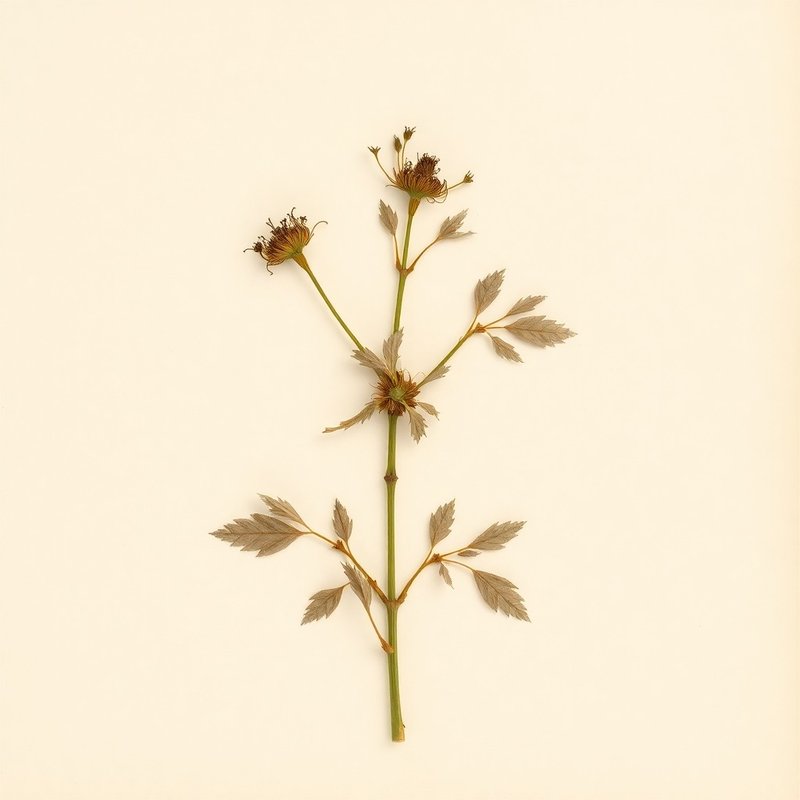
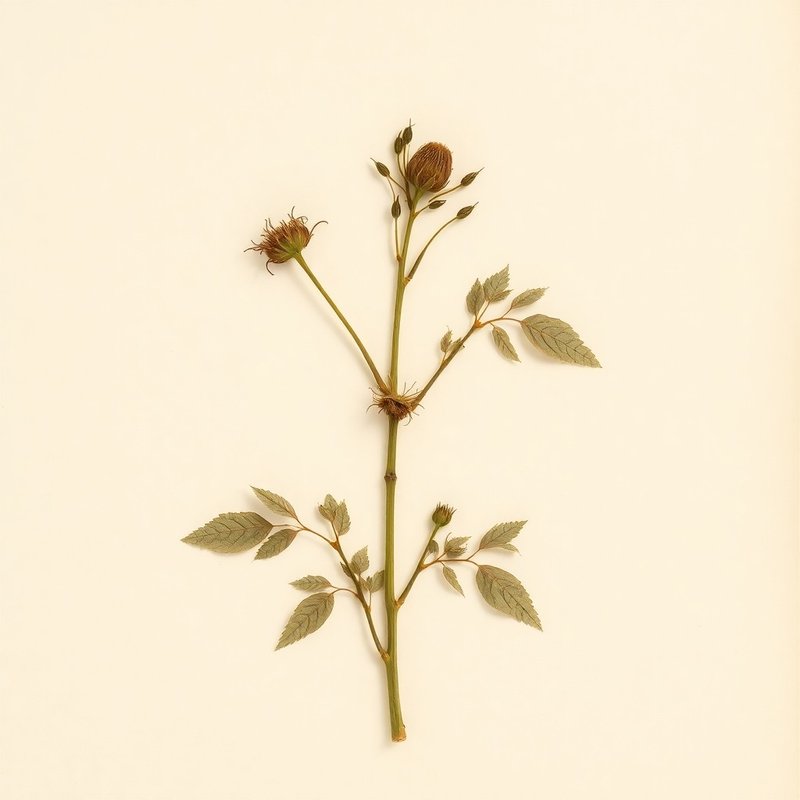
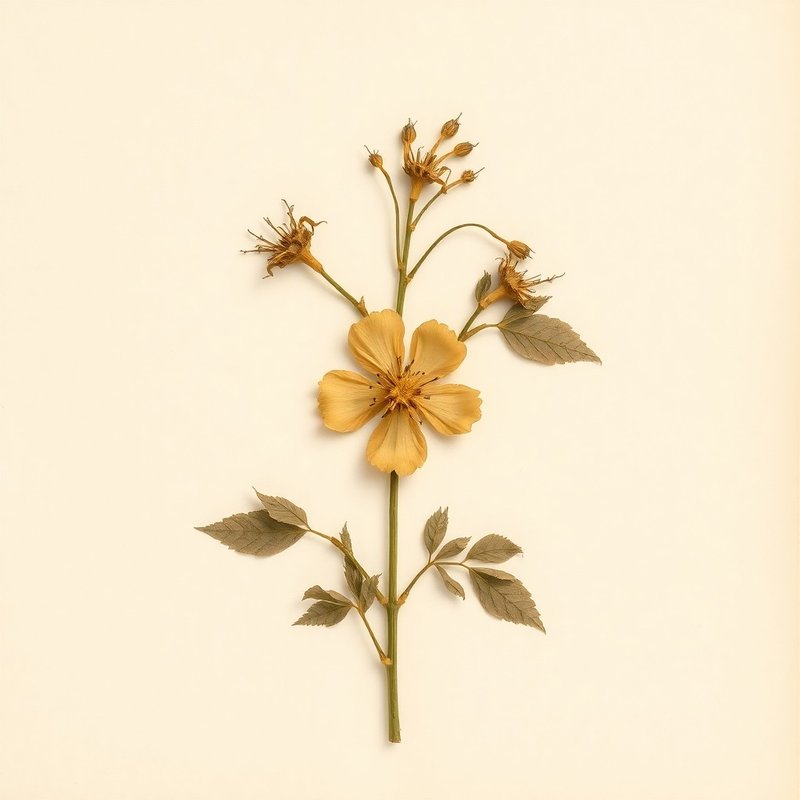
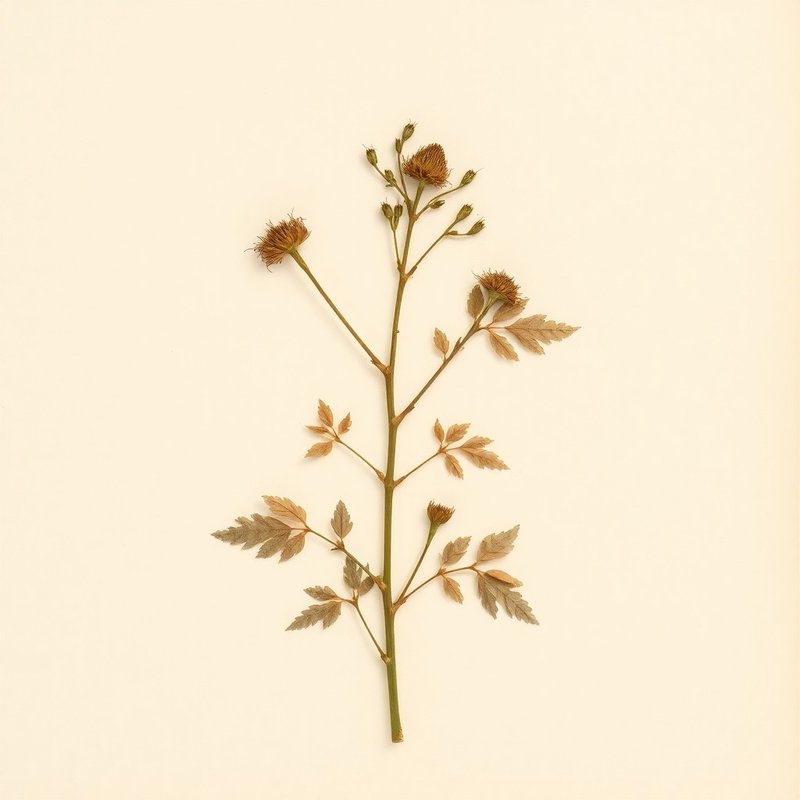
1 image
Specimen gallery
1 imageXSee also
8 related
See also
8 relatedPlants you might compare or use together — scored by shared family (Solanaceae), common use cases, and growing requirements.
same family · Solanaceae
Botanical relatives — often share phytochemistry + growing needs.
XI
Explore further
Companion planting
Compare with similar plants
XII
About this entry
- Last updated
- Citation
- How to cite this entry · Submit a correction
Back to the cataloguePlant id · bb563464-3c94-4e67-a261-db69ee7150da
Decision aid
Choosing between Solanum sisymbriifolium and something else?
Continue reading
❦❦❦❦
Endpaper · archive updates
Get archive updates
Occasional email when substantial new content lands — plant profiles, seasonal growing notes, folk-remedy additions. Free, no tracking, unsubscribe anytime.
Newsletter returning soon.
We are rebuilding the update list around a lightweight editorial workflow. New dispatches will resume after the next content review cycle.