
Sophora davidii
Sophora davidii
Educational content — not medical, botanical, or professional advice. Plant identification, safety, and edibility depend on local conditions, cultivars, and correct identification. Consult a qualified botanist or forager before consuming or handling wild specimens. How we source & review →
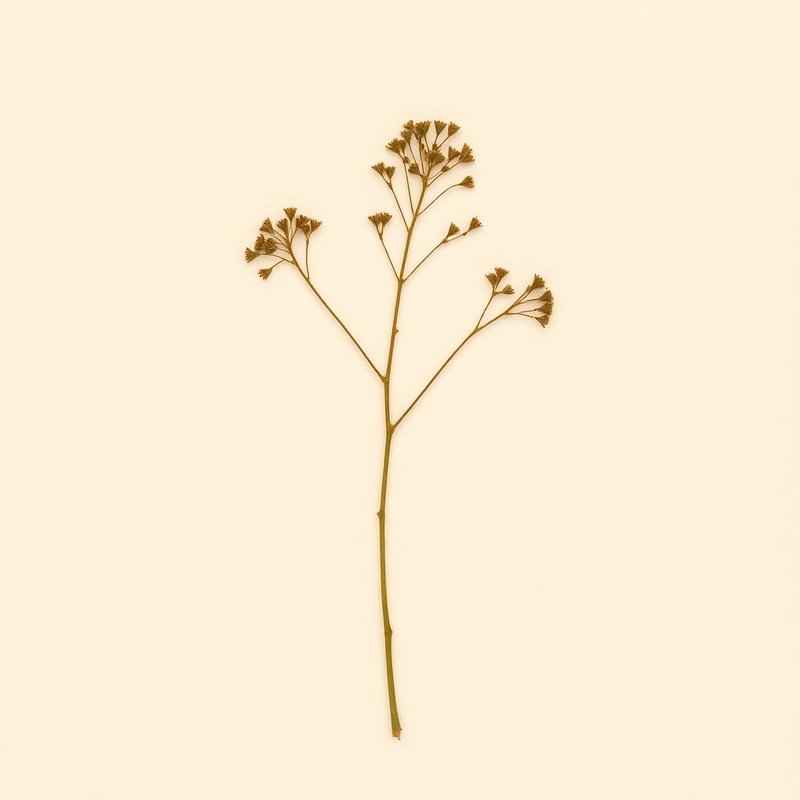
Pl. 7115 — Sophora davidii
Sophora davidiiSophora davidiiSophora davidiiSophora davidiiSophora davidiiSophora davidiiSophora davidiiSophora davidiiSophora davidiiSophora davidiiSophora davidiiSophora davidiiSophora davidiiSophora davidii
IOverview
Overview
Sophora davidii, commonly known as David's sophora, is a deciduous shrub or small tree native to China and Korea. It thrives in full sun but can tolerate partial shade, making it adaptable to various light conditions. This plant prefers well-drained soils that are either dry or moist, with a tolerance for both light (sandy) and heavy (clay) soil types. Hardy from zones 5-8, David's sophora reaches heights of about 2.5 meters. It is valued not only for its ornamental appeal but also for its edible flowers, which can be used in culinary applications. One distinctive feature is the plant’s ability to grow well in a variety of soil conditions, while another notable characteristic is its light green foliage that turns yellowish-brown in autumn, adding color to the landscape.
Quick answers
What is Sophora davidii?
Sophora davidii, commonly known as David's sophora, is a deciduous shrub or small tree native to China and Korea. It thrives in full sun but can tolerate partial shade, making it adaptable to various light conditions.
Growingconditions · propagation · uses
VCultivation
Cultivation
Sophora davidii thrives in full sun and prefers well-drained soil that can be light (sandy), medium, or heavy (clay). It is drought-tolerant but will also grow in moist conditions. This plant is hardy in zones 5-8 and can reach a height of 2.5 meters. For propagation, seeds or cuttings are effective methods. The flowers are edible and can be used for various culinary purposes.
Light
Full sun
Water
Dry, Moist
Soil
Light (sandy), Medium, Heavy (clay)
Hardiness
5-8
Mature size
2.5 m tall
For first-time growers
How to grow Sophora davidii for the first time
8steps
Start with planting Sophora davidii in a sunny spot, and follow these steps for success.
- 1
What you'll need
Sophora davidii saplings or seeds, garden gloves, trowel.
- 2
Best time to plant
Plant Sophora davidii in spring after the last frost or fall before the first freeze.
- 3
Soil and container prep
Ensure soil is well-draining; amend with compost if necessary. For containers, use a mix of light, medium, and heavy soils.
- 4
Sowing or transplanting
Transplant saplings 2-3 meters apart in the garden. Sow seeds directly where they will grow, covering them lightly.
- 5
First two weeks
Water regularly to keep soil moist but not waterlogged. Monitor for pests and diseases.
- 6
Ongoing care
Provide full sun exposure. Water when the top inch of soil feels dry. Fertilize sparingly in spring with compost.
- 7
Harvest or pruning
Prune lightly to shape during dormant season; flowers can be appreciated but are not typically harvested.
- 8
Common mistakes
Overwatering, planting too deep, neglecting winter protection in colder zones.
VIEdible & utility
Edible & utility
Edible parts:Flowers
Edible uses: The flowers of Sophora davidii are edible and can be enjoyed raw or lightly cooked. They add a mild, slightly sweet flavor to salads or can be used in light dishes where their delicate taste is desired. Skip the deep frying as it may alter their subtle flavors.
Other uses:Nitrogen fixer
Contextrange · companions · related
IXSpecimen gallery
1 image
Specimen gallery
1 imageXI
Explore further
Companion planting
Growing zone
XII
About this entry
- Last updated
- Citation
- How to cite this entry · Submit a correction
Back to the cataloguePlant id · 71156d65-9bac-45ad-af7f-93481e3e6cde
Decision aid
Choosing between Sophora davidii and something else?
Continue reading
❦❦❦❦
Endpaper · archive updates
Get archive updates
Occasional email when substantial new content lands — plant profiles, seasonal growing notes, folk-remedy additions. Free, no tracking, unsubscribe anytime.