
Bollwyller Pear
IOverview
Overview
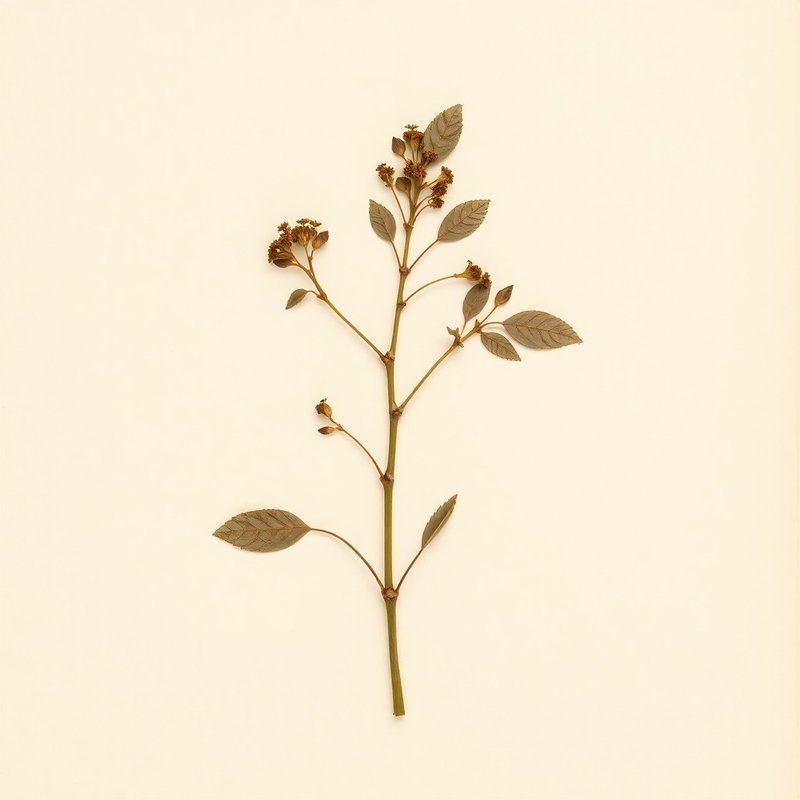
Bollwyller Pear, scientifically known as Sorbopyrus auricularis, is a deciduous tree that belongs to the Rosaceae family. Native to eastern Asia, this pear-like fruit-bearing plant thrives in well-drained soils and prefers partial sun to full sun exposure. It can grow up to 12 meters tall and is hardy in zones 4-8. Known for its edible fruits, Bollwyller Pear provides a light, refreshing taste that makes it a delightful addition to the landscape. The fruit is often used in jams and preserves due to its sweet taste and can also be dried for later use. This plant is versatile, adapting well to various soil types, including sandy, medium, and clay soils, making it suitable for gardeners in different conditions. While primarily cultivated for its fruit, Bollwyller Pear can also be appreciated for its ornamental value, adding a touch of elegance to gardens and landscapes. The tree's fruit is safe to consume but should be enjoyed in moderation as part of a balanced diet.
What is Bollwyller Pear?
Bollwyller Pear, scientifically known as Sorbopyrus auricularis, is a deciduous tree that belongs to the Rosaceae family. Native to eastern Asia, this pear-like fruit-bearing plant thrives in well-drained soils and prefers partial sun to full sun exposure.
VCultivation
Cultivation
How to grow Bollwyller Pear for the first time
Start with a Bollwyller Pear in your garden for a manageable and rewarding project.
- 1
What you'll need
A young Bollwyller Pear tree, a trowel, mulch, and water.
- 2
Best time to plant
Plant the Bollwyller Pear in spring or fall when temperatures are mild.
- 3
Soil and container prep
Ensure soil is well-draining; amend with compost if necessary. For containers, use a pot at least 50 cm wide and deep.
- 4
Sowing or transplanting
Transplant the young tree from its nursery pot to your garden bed, ensuring roots are spread out.
- 5
First two weeks
Water regularly to keep soil moist. Monitor for signs of stress such as wilting.
- 6
Ongoing care
Provide full sun or partial shade, water when the top inch of soil is dry, and mulch around the base to retain moisture.
- 7
Harvest or pruning
Prune in late winter to maintain shape and remove dead branches. Harvest fruit when it turns yellow.
- 8
Common mistakes
Overwatering, planting in heavy clay soil, not providing enough sunlight, and neglecting regular pruning.
VIEdible & utility
Edible & utility
IXSpecimen gallery
1 image
Specimen gallery
1 imageExplore further
About this entry
- Last updated
- Citation
- How to cite this entry · Submit a correction
Continue reading
Get archive updates
Occasional email when substantial new content lands — plant profiles, seasonal growing notes, folk-remedy additions. Free, no tracking, unsubscribe anytime.