
Yellow Mombin
Spondias mombin
Educational content — not medical, botanical, or professional advice. Plant identification, safety, and edibility depend on local conditions, cultivars, and correct identification. Consult a qualified botanist or forager before consuming or handling wild specimens. How we source & review →
Garden journal pausedUse profile notes below
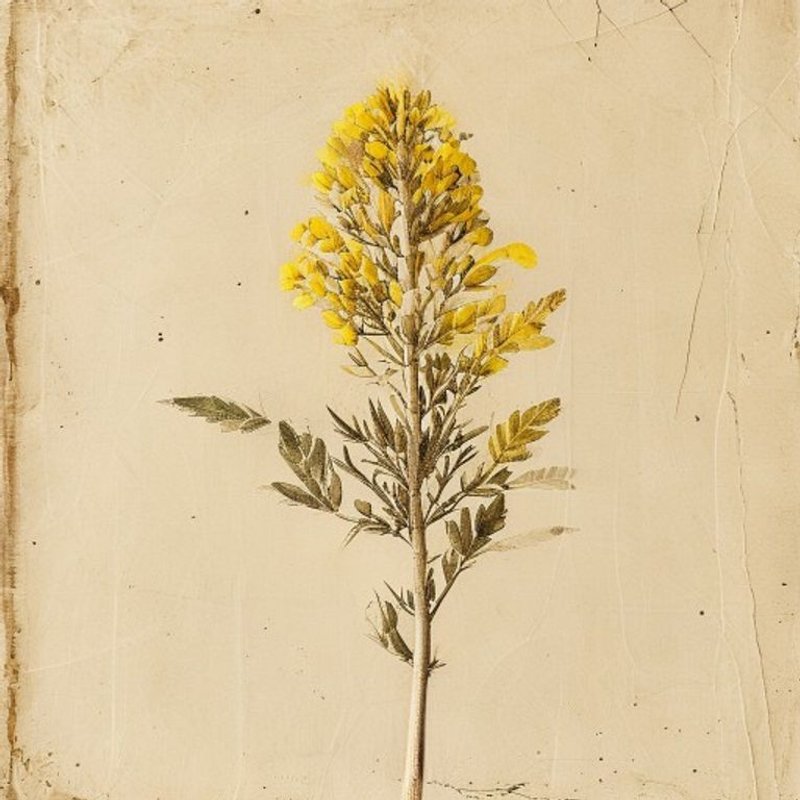
Pl. D864 — Spondias mombin
Spondias mombinSpondias mombinSpondias mombinSpondias mombinSpondias mombinSpondias mombinSpondias mombinSpondias mombinSpondias mombinSpondias mombinSpondias mombinSpondias mombinSpondias mombinSpondias mombin
IOverview
Overview
Yellow Mombin (Spondias mombin), a member of the Anacardiaceae family, is a tall tree native to Central and South America, including regions such as Aruba, Belize, Bolivia, Brazil, Colombia, Costa Rica, and Venezuela. Thriving in various habitats from dry to moist conditions, this tree can grow up to 20 meters tall and prefers full sun with medium to heavy clay soil that has a pH ranging from 4.8 to 7.9. Hardy in zones 10-12, Yellow Mombin is adaptable to different soil types and climates within its native range. All parts of the plant are edible, making it a valuable resource for local communities. The fruit, leaves, roots, sap, seeds, and shoots can be consumed, providing a diverse array of culinary uses. The tree's adaptability extends beyond its fruit; its versatility includes utility in containers, fencing, fire starting, lumber production, textiles, and soap making. While primarily known for its edible parts, Yellow Mombin is not considered medicinal according to the provided data. However, caution should be exercised when consuming any plant part, as some may contain compounds that could be harmful if consumed improperly or in large quantities.
Quick answers
What is Yellow Mombin?
Yellow Mombin (Spondias mombin), a member of the Anacardiaceae family, is a tall tree native to Central and South America, including regions such as Aruba, Belize, Bolivia, Brazil, Colombia, Costa Rica, and Venezuela.
Growingconditions · propagation · uses
VCultivation
Cultivation
Yellow Mombin thrives in full sun and is adaptable to various soil types, from medium to heavy clay, with a preferred pH range of 4.8 to 7.9. It requires dry to moist conditions and can grow up to 20 meters tall. Hardy in temperate regions, this tree is best propagated through seeds or cuttings. Regular watering during dry periods will ensure optimal growth, but it also tolerates drought well.
Light
Full sun
Water
Dry, Moist
Soil
Medium, Heavy (clay)
Hardiness
10-12
Habit
Tree
Mature size
20.0 m tall
Soil pH
4.8–7.9
For first-time growers
How to grow Yellow Mombin for the first time
8steps
Start with a simple, full-sun tree that thrives in various soil types and is perfect for beginners.
- 1
What you'll need
Yellow Mombin saplings or seeds.
- 2
Best time to plant
Plant during the spring or early summer when temperatures are warm.
- 3
Soil and container prep
Choose a well-draining soil with a pH between 4.8 and 7.9. Ensure containers have drainage holes.
- 4
Sowing or transplanting
Transplant saplings directly into the ground or start seeds in small pots before transferring to larger ones.
- 5
First two weeks
Water regularly, keeping the soil moist but not waterlogged. Place in a sunny spot.
- 6
Ongoing care
Provide full sun and regular watering, especially during dry periods. Fertilize once or twice a year with organic compost.
- 7
Harvest or pruning
Prune to maintain shape and remove dead branches. Harvest fruit when it turns yellow and is soft to the touch.
- 8
Common mistakes
Overwatering, planting in heavy clay soil without drainage, not providing enough sunlight, and neglecting regular pruning.
VIEdible & utility
Edible & utility
Edible parts:FruitLeavesRootSapSeedShoots
Edible uses: Drink, Tea
Other uses:ContainersFencingFire starterLumbertextilesSoap making
Contextrange · companions · related
VIIDistribution
38 native · 31 introduced
Distribution
38 native · 31 introducedDistribution across4 continents· 38 native· 31 introduced
Asia2 regions
introduced (2)IndiaSri Lanka
Americas19 regions
native (19)BelizeBoliviaColombiaCosta RicaCubaDominican RepublicEcuadorEl SalvadorFrench GuianaGuatemalaGuyanaHaitiHondurasJamaicaNicaraguaPeruPuerto RicoSurinameVenezuela
Africa19 regions
introduced (19)AngolaBeninBurkina FasoCabo VerdeCameroonChadCôte d'IvoireGabonGambiaGhanaGuineaGuinea-BissauLiberiaMaliNigeriaSenegalSierra LeoneSudanTogo
Oceania1 region
introduced (1)Nauru
Broader regions
native:Aruba, Brazil North, Brazil Northeast, Brazil Southeast, Brazil West-Central, Cayman Is., Leeward Is., Mexico Central, Mexico Gulf, Mexico Northeast, Mexico Northwest, Mexico Southeast, Mexico Southwest, Netherlands Antilles, Panamá, Southwest Caribbean, Trinidad-Tobago, Venezuelan Antilles, Windward Is.
introduced:Bermuda, Cabinda, Caroline Is., Central African Repu, Congo, Gulf of Guinea Is., Jawa, Sumatera, Zaïre
IXSpecimen gallery
1 image
Specimen gallery
1 imageXI
Explore further
XII
About this entry
- Last updated
- Citation
- How to cite this entry · Submit a correction
Back to the cataloguePlant id · d8640cae-2d87-4bb2-8e3e-4615a1cab329
Decision aid
Choosing between Yellow Mombin and something else?
Continue reading
❦❦❦❦
Endpaper · archive updates
Get archive updates
Occasional email when substantial new content lands — plant profiles, seasonal growing notes, folk-remedy additions. Free, no tracking, unsubscribe anytime.
Newsletter returning soon.
We are rebuilding the update list around a lightweight editorial workflow. New dispatches will resume after the next content review cycle.