
Purple Mombin Red Mombin
Spondias purpurea
Educational content — not medical, botanical, or professional advice. Plant identification, safety, and edibility depend on local conditions, cultivars, and correct identification. Consult a qualified botanist or forager before consuming or handling wild specimens. How we source & review →
Garden journal pausedUse profile notes below
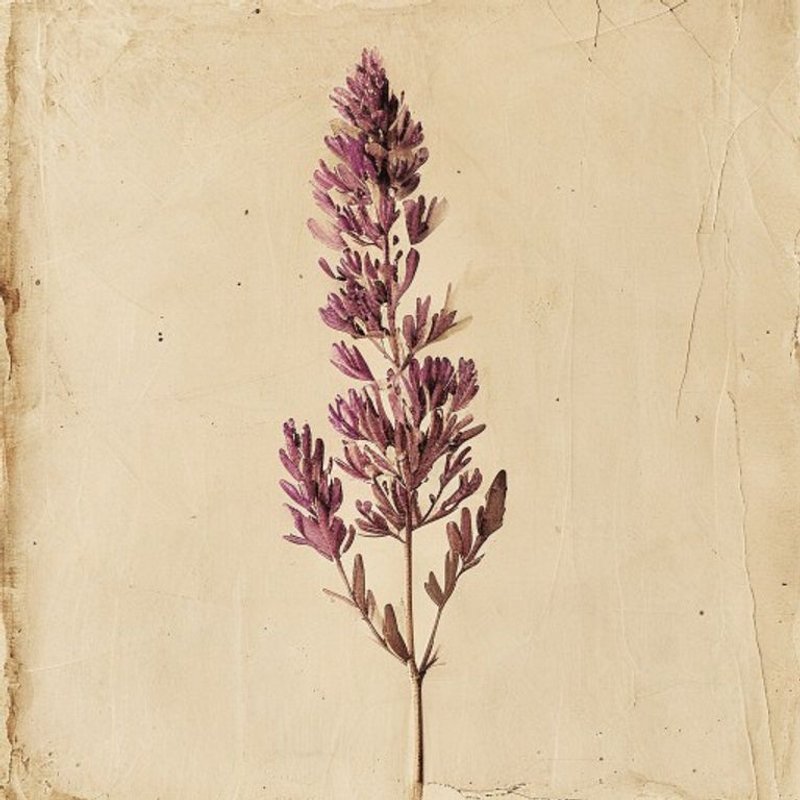
Pl. 8872 — Spondias purpurea
Spondias purpureaSpondias purpureaSpondias purpureaSpondias purpureaSpondias purpureaSpondias purpureaSpondias purpureaSpondias purpureaSpondias purpureaSpondias purpureaSpondias purpureaSpondias purpureaSpondias purpureaSpondias purpurea
IOverview
Overview
Purple Mombin (Spondias purpurea), also known as Red Mombin, is a fast-growing shrub or small tree in the Anacardiaceae family, the same family as cashew and mango. It typically reaches about 10 meters tall and performs best in full sun on medium to heavy, clay-rich soils, tolerating both dry and moist conditions. Though not especially drought resistant, its rapid growth and adaptability make it a familiar presence in tropical and subtropical settings, where it is also grown for ornamental and cosmetic purposes. The species is native to Central America and the Caribbean, with records spanning Belize, Guatemala, Honduras, El Salvador, Costa Rica, Nicaragua, Panama, Colombia, Jamaica, the southwestern Caribbean, and several regions of Mexico. It has been widely introduced beyond that range and is now found in the Bahamas, Cuba, the Dominican Republic, Haiti, Puerto Rico, Trinidad and Tobago, Florida, Peru, Bolivia, Venezuela, the Galápagos, parts of West Africa including Gambia and Guinea-Bissau, and as far as Bangladesh, Java, and the Philippines. Nearly every above-ground part is listed as edible. Alongside the fruit, the leaves, seeds, and shoots are all recorded as food, and a gum is among its edible products. The fruit is the tree's signature feature, and the common name refers to the color of the ripe fruit. Beyond food, the plant is valued for a broad set of practical uses, including cosmetics, soap making, textiles, gum, lumber, fencing, and fire starter material, reflecting how heavily it is worked where it grows. It is hardy in zones 10 to 12 and can be raised from seed or from shoots.
Quick answers
What is Purple Mombin Red Mombin?
Purple Mombin (Spondias purpurea), also known as Red Mombin, is a fast-growing shrub or small tree in the Anacardiaceae family, the same family as cashew and mango. It typically reaches about 10 meters tall and performs best in full sun on medium to heavy, clay-rich soils, tolerating both dry and moist conditions.
Growingconditions · propagation · uses
VCultivation
Cultivation
Purple Mombin, or Spondias purpurea, grows as a shrub or small tree reaching about 10 meters. Give it full sun. It tolerates dry to moist conditions and prefers medium to heavy clay soils. Hardy in temperate regions within zones 10 to 12. The fruit, leaves, seed, and shoots are all edible. Native to parts of Central America, Mexico, and the Caribbean, it also occurs across Belize, Colombia, Costa Rica, El Salvador, Guatemala, Honduras, Jamaica, and the Southwest Caribbean. Propagation methods are not specified in the available data.
Light
Full sun
Water
Dry, Moist
Soil
Medium, Heavy (clay)
Hardiness
10-12
Habit
Shrub, Tree
Mature size
10.0 m tall
For first-time growers
How to grow Purple Mombin Red Mombin for the first time
8steps
Start with a simple, sun-loving tree that thrives in warm climates.
- 1
What you'll need
A Purple Mombin Red Mombin sapling and well-draining soil.
- 2
Best time to plant
Plant in spring or early summer when the weather is warming up.
- 3
Soil and container prep
Ensure the soil is well-draining, slightly acidic to neutral. For containers, use a pot with drainage holes.
- 4
Sowing or transplanting
Transplant the sapling carefully, ensuring not to damage the roots.
- 5
First two weeks
Water regularly but avoid overwatering. Keep the soil moist but not soggy.
- 6
Ongoing care
Provide full sun and regular watering during dry periods. Fertilize once a year in spring.
- 7
Harvest or pruning
Prune to maintain shape and remove dead branches. Harvest fruit when it turns red and softens.
- 8
Common mistakes
Overwatering, planting in heavy soil, not providing enough sun, neglecting regular pruning.
VIEdible & utility
Edible & utility
Edible parts:FruitLeavesSeedShoots
Edible uses: Gum
Other uses:CosmeticFencingFire starterGumtextilesSoap makingLumber
Contextrange · companions · related
VIIDistribution
16 native · 23 introduced
Distribution
16 native · 23 introducedDistribution across3 continents· 16 native· 23 introduced
Asia2 regions
introduced (2)BangladeshPhilippines
Americas18 regions
native (8)BelizeColombiaCosta RicaEl SalvadorGuatemalaHondurasJamaicaNicaragua
introduced (10)BahamasBoliviaCubaDominican RepublicFrench GuianaGuyanaHaitiPeruPuerto RicoVenezuela
Africa3 regions
introduced (3)GambiaGuinea-BissauSenegal
Broader regions
native:Mexico Central, Mexico Gulf, Mexico Northeast, Mexico Northwest, Mexico Southeast, Mexico Southwest, Panamá, Southwest Caribbean
introduced:Cayman Is., Florida, Galápagos, Jawa, Leeward Is., Trinidad-Tobago, Venezuelan Antilles, Windward Is.
IXSpecimen gallery
1 image
Specimen gallery
1 imageXI
Explore further
Companion planting
Growing zone
Native to
XII
About this entry
- Last updated
- Citation
- How to cite this entry · Submit a correction
Back to the cataloguePlant id · 8872d9a1-8a88-4b66-9cde-72a2b1497032
Decision aid
Choosing between Purple Mombin Red Mombin and something else?
Continue reading
❦❦❦❦
Endpaper · archive updates
Get archive updates
Occasional email when substantial new content lands — plant profiles, seasonal growing notes, folk-remedy additions. Free, no tracking, unsubscribe anytime.
Newsletter returning soon.
We are rebuilding the update list around a lightweight editorial workflow. New dispatches will resume after the next content review cycle.