
American Bladder Nut
Staphylea trifolia
Educational content — not medical, botanical, or professional advice. Plant identification, safety, and edibility depend on local conditions, cultivars, and correct identification. Consult a qualified botanist or forager before consuming or handling wild specimens. How we source & review →
Garden journal pausedUse profile notes below
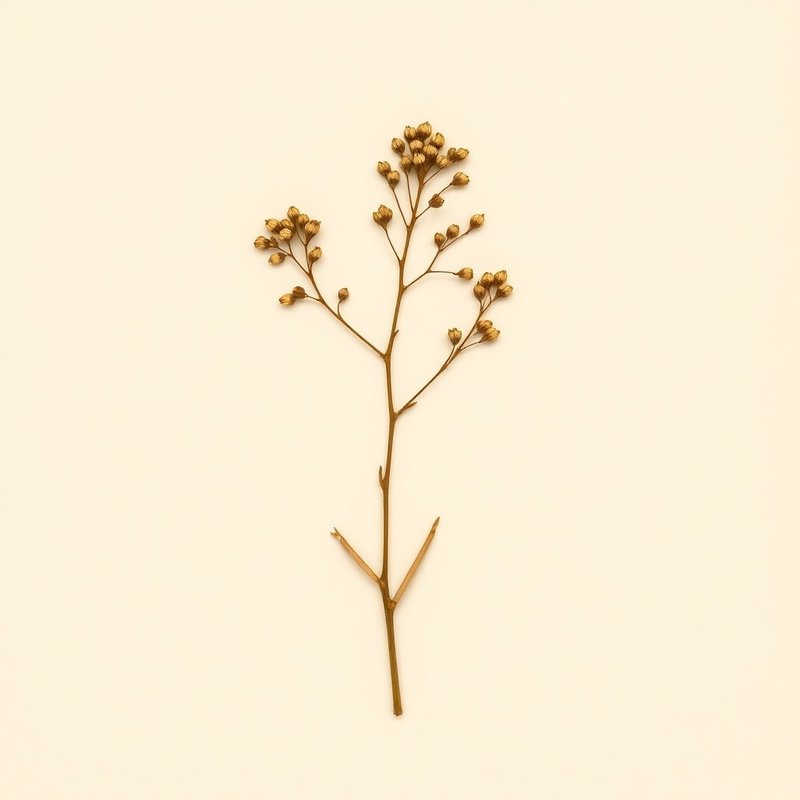
Pl. 37F5 — Staphylea trifolia
Staphylea trifoliaStaphylea trifoliaStaphylea trifoliaStaphylea trifoliaStaphylea trifoliaStaphylea trifoliaStaphylea trifoliaStaphylea trifoliaStaphylea trifoliaStaphylea trifoliaStaphylea trifoliaStaphylea trifoliaStaphylea trifoliaStaphylea trifolia
IOverview
Overview
The American Bladder Nut (Staphylea trifolia) is a deciduous shrub or small tree native to the eastern United States, found in a range of habitats from Alabama and Arkansas to Wisconsin. This plant thrives in moist, well-drained soils that are light (sandy), medium, or heavy (clay), and can tolerate full sun to partial shade. Growing up to 4 meters tall, the American Bladder Nut is hardy in zones 4-8, making it a versatile addition to gardens and landscapes. Its distinctive feature is the bladder-like seed pods, which give this plant its common name. The American Bladder Nut is known for its edible seeds, which can be harvested and used in various culinary applications. In addition to its edible uses, this plant is valued for its erosion control properties and can be used in landscaping for its attractive form and foliage. The American Bladder Nut is native to the eastern United States and can be found in a variety of habitats, including forests, fields, and along streams. While it is not typically used for medicinal purposes, it is important to exercise caution when handling any plant, as some parts may be toxic.
Quick answers
What is American Bladder Nut?
The American Bladder Nut (Staphylea trifolia) is a deciduous shrub or small tree native to the eastern United States, found in a range of habitats from Alabama and Arkansas to Wisconsin.
Growingconditions · propagation · uses
VCultivation
Cultivation
American Bladder Nut thrives in full to partial sun and prefers moist soil that is light (sandy), medium, or heavy (clay). It grows well in hardiness zones 4-8, making it suitable for temperate regions. This plant can reach a height of 4 meters and can be cultivated as either a tree or shrub. For propagation, seeds are the recommended method. Ensure the soil remains consistently moist to support healthy growth.
Light
Full sun, Partial sun/shade
Water
Moist
Soil
Light (sandy), Medium, Heavy (clay)
Hardiness
4-8
Habit
Tree, Shrub
Mature size
4.0 m tall
For first-time growers
How to grow American Bladder Nut for the first time
8steps
Start with planting American Bladder Nut in a sunny spot and follow these simple steps for success.
- 1
What you'll need
American Bladder Nut seedlings or seeds, garden gloves, trowel.
- 2
Best time to plant
Plant in spring after the last frost or fall before the first freeze.
- 3
Soil and container prep
Choose a location with light to medium soil that stays moist. Ensure good drainage.
- 4
Sowing or transplanting
Direct sow seeds in the ground or start them indoors 6-8 weeks before planting outside.
- 5
First two weeks
Water regularly, keeping the soil consistently moist but not waterlogged. Monitor for pests and diseases.
- 6
Ongoing care
Provide full sun to partial shade. Water when dry, especially in hot weather. Prune only if necessary to shape or remove dead wood.
- 7
Harvest or pruning
Prune in late winter before new growth starts to maintain the plant's shape and health.
- 8
Common mistakes
Overwatering, planting in heavy clay soil, neglecting to prune, not providing enough sunlight.
VIEdible & utility
Edible & utility
Edible parts:Seed
Edible uses: Oil
Other uses:oilErosion control
Contextrange · companions · related
VIIDistribution
22 native · 0 introduced
Distribution
22 native · 0 introducedDistribution across1 continent· 22 native
Asia1 region
native (1)Georgia
Broader regions
native:Alabama, Arkansas, Florida, Illinois, Kentucky, Louisiana, Maryland, Minnesota, Mississippi, Nebraska, New Jersey, New York, North Carolina, Oklahoma, Pennsylvania, South Carolina, Tennessee, Vermont, Virginia, West Virginia, Wisconsin
IXSpecimen gallery
1 image
Specimen gallery
1 imageXI
Explore further
Companion planting
Growing zone
XII
About this entry
- Last updated
- Citation
- How to cite this entry · Submit a correction
Back to the cataloguePlant id · 37f5633a-c90e-4e70-ad17-21076fbb81a5
Decision aid
Choosing between American Bladder Nut and something else?
Continue reading
❦❦❦❦
Endpaper · archive updates
Get archive updates
Occasional email when substantial new content lands — plant profiles, seasonal growing notes, folk-remedy additions. Free, no tracking, unsubscribe anytime.
Newsletter returning soon.
We are rebuilding the update list around a lightweight editorial workflow. New dispatches will resume after the next content review cycle.