
Stellaria nipponica
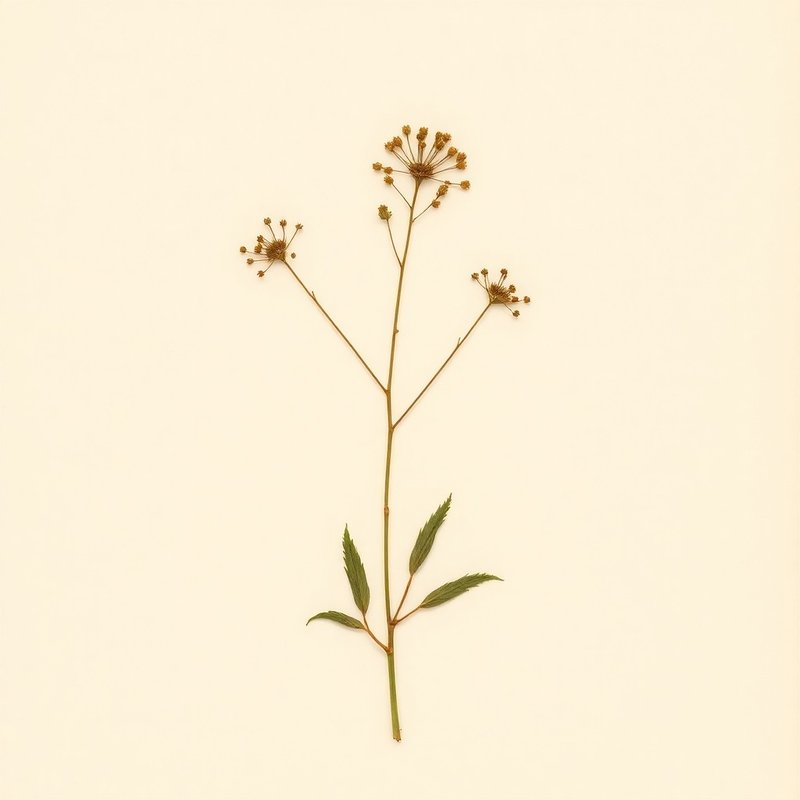
IOverview
Overview
Stellaria nipponica, a perennial plant native to China South-Central and Japan, is a versatile species with both culinary and medicinal uses. This small, light-loving plant can thrive in various soil types, including sandy, medium, and heavy clay, and prefers full sun. It can tolerate both dry and moist conditions, making it adaptable to different growing environments. The edible leaves of Stellaria nipponica are often used in cooking, adding a mild flavor to salads, soups, and stews. Additionally, the plant has documented uses in traditional medicine, making it valuable for both food and healing purposes. Stellaria nipponica can grow up to 20 cm tall, contributing to its ornamental appeal in gardens. While it is not recommended to consume or use the plant medicinally without proper guidance, its dual utility makes it a valuable addition to both culinary and herbal practices.
What is Stellaria nipponica?
Stellaria nipponica, a perennial plant native to China South-Central and Japan, is a versatile species with both culinary and medicinal uses. This small, light-loving plant can thrive in various soil types, including sandy, medium, and heavy clay, and prefers full sun.
IV·bMixology suggestions
2 drafts
Mixology suggestions
2 draftsVCultivation
Cultivation
How to grow Stellaria nipponica for the first time
Start with Stellaria nipponica as a simple, low-maintenance perennial for your garden.
- 1
What you'll need
Seeds or small plants, a trowel, and a watering can.
- 2
Best time to plant
Plant in spring after the last frost or in fall before the first freeze.
- 3
Soil and container prep
Choose a location with full sun. Prepare soil that is well-draining but also slightly moist, suitable for light (sandy), medium, or heavy (clay) soils.
- 4
Sowing or transplanting
Direct sow seeds 0.5 cm deep and about 10-15 cm apart. Transplant young plants with care to avoid damaging roots.
- 5
First two weeks
Water regularly, keeping the soil moist but not waterlogged. Monitor for pests and diseases.
- 6
Ongoing care
Provide consistent moisture during dry spells. Prune dead or damaged leaves as needed to maintain plant health.
- 7
Harvest or pruning
Prune regularly to encourage bushy growth and remove any yellowing or diseased leaves.
VIEdible & utility
Edible & utility
VIIDistribution
2 native · 0 introduced
Distribution
2 native · 0 introducedIXSpecimen gallery
1 image
Specimen gallery
1 imageExplore further
About this entry
- Last updated
- Citation
- How to cite this entry · Submit a correction
Continue reading
Get archive updates
Occasional email when substantial new content lands — plant profiles, seasonal growing notes, folk-remedy additions. Free, no tracking, unsubscribe anytime.