
Wild Cucumber
Streptopus amplexifolius
Educational content — not medical, botanical, or professional advice. Plant identification, safety, and edibility depend on local conditions, cultivars, and correct identification. Consult a qualified botanist or forager before consuming or handling wild specimens. How we source & review →
Garden journal pausedUse profile notes below
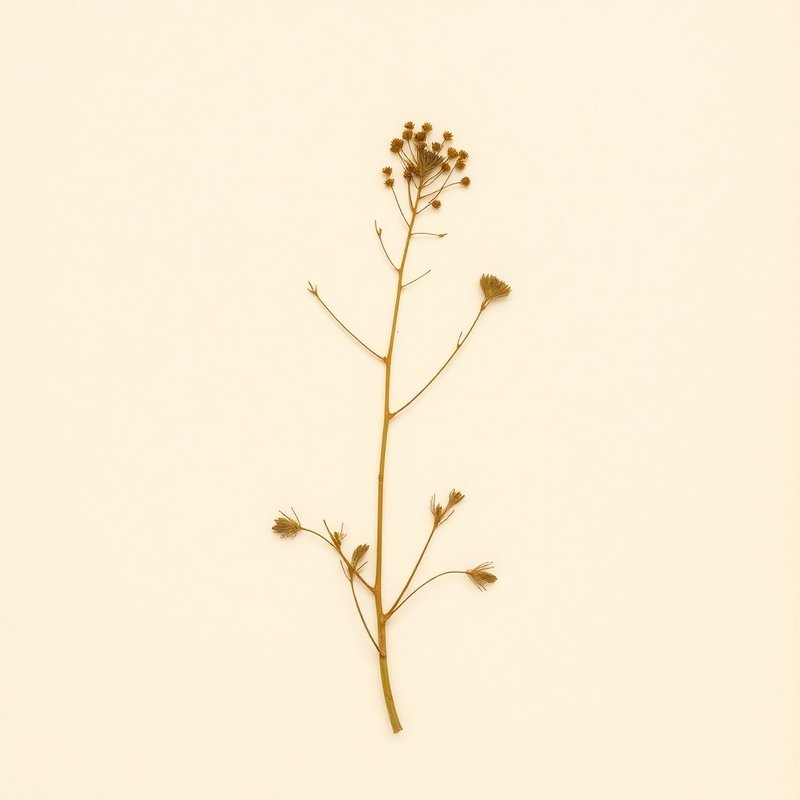
Pl. EDC8 — Streptopus amplexifolius
Streptopus amplexifoliusStreptopus amplexifoliusStreptopus amplexifoliusStreptopus amplexifoliusStreptopus amplexifoliusStreptopus amplexifoliusStreptopus amplexifoliusStreptopus amplexifoliusStreptopus amplexifoliusStreptopus amplexifoliusStreptopus amplexifoliusStreptopus amplexifoliusStreptopus amplexifoliusStreptopus amplexifolius
IOverview
Overview
Wild Cucumber (Streptopus amplexifolius) is a perennial herb that thrives in moist, light to medium soils across a wide range including North America and parts of Europe and Asia. Native to Alaska, Alberta, and other regions from Arizona to Yakutskiya, this plant can reach heights of up to 1 meter. Its leaves are distinctive for their heart-shaped form, resembling the grip of a hand (hence its name), making it easily identifiable in its growing environment. Wild Cucumber is known for its edible parts, including fruits, leaves, roots, and shoots, which can be prepared fresh or dried for later use. Typically, young shoots and leaves are used in salads or cooked as greens, while the fruits can be consumed raw or processed. This plant's adaptability to various climates makes it a valuable resource in areas where it grows. Thriving in soil with a pH between 6.5 and 7, Wild Cucumber prefers partial shade to full sun and is hardy in zones 4-8. It requires well-drained conditions to prevent root rot. Propagation can be achieved through root division or seed sowing. Harvest the edible parts as they become available throughout the growing season. While not traditionally used for medicinal purposes, Wild Cucumber's edible nature makes it a useful plant for foragers and gardeners alike in regions where it is native or introduced.
Quick answers
What is Wild Cucumber?
Wild Cucumber (Streptopus amplexifolius) is a perennial herb that thrives in moist, light to medium soils across a wide range including North America and parts of Europe and Asia. Native to Alaska, Alberta, and other regions from Arizona to Yakutskiya, this plant can reach heights of up to 1 meter.
Growingconditions · propagation · uses
VCultivation
Cultivation
Wild Cucumber thrives in moist conditions and prefers light to medium soil. It is hardy in zones 4-8, making it suitable for temperate regions. This perennial plant grows up to 1 meter tall and requires partial shade to full sun. Well-drained soil with a pH between 6.5 and 7 is ideal. Propagate through root division or seed sowing. Harvest the edible parts—leaves, shoots, roots, and fruit—as they become available throughout the growing season.
Light
5/10
Water
Moist
Soil
Light (sandy), Medium
Hardiness
4-8
Life cycle
Perennial
Habit
Forb/herb
Mature size
1.0 m tall
Soil pH
6.5–7
For first-time growers
How to grow Wild Cucumber for the first time
8steps
Start with a simple planting of Wild Cucumber to gain experience in caring for perennials.
- 1
What you'll need
A small pot, quality potting soil, and seeds or young plants.
- 2
Best time to plant
Plant in early spring after the last frost or in late summer for fall harvests.
- 3
Soil and container prep
Use a light, well-draining potting mix with a pH between 6.5 and 7.
- 4
Sowing or transplanting
Direct sow seeds outdoors after the last frost or start young plants indoors about 4 weeks before planting.
- 5
First two weeks
Keep soil consistently moist, providing light shade to prevent wilting.
- 6
Ongoing care
Water when the top inch of soil feels dry and mulch around the base for moisture retention.
- 7
Harvest or pruning
Prune back any dead or yellowing leaves to encourage new growth and remove spent flowers.
- 8
Common mistakes
Overwatering, planting in heavy soil, neglecting to mulch, and not providing enough light.
VIEdible & utility
Edible & utility
Edible parts:FruitLeavesRootShoots
Edible uses: The wild cucumber (Streptopus amplexifolius) is a perennial plant that can be eaten. Its leaves, shoots, roots, and fruit are all edible. Typically, the young shoots and leaves are prepared fresh in salads or cooked as greens. The fruits can also be consumed raw or dried for later use.
Other uses:Fragrance
Contextrange · companions · related
VIIDistribution
65 native · 0 introduced
Distribution
65 native · 0 introducedDistribution across3 continents· 65 native
Europe10 regions
native (10)AustriaBulgariaFranceGermanyItalyPolandRomaniaSpainSwitzerlandUkraine
Asia3 regions
native (3)JapanMyanmarSouth Korea
Americas2 regions
native (2)GreenlandUnited States
Broader regions
native:Alberta, Aleutian Is., Amur, Arizona, British Columbia, California, Colorado, Connecticut, Czechoslovakia, Idaho, Kamchatka, Khabarovsk, Kuril Is., Labrador, Maine, Manitoba, Masachusettes, Massachusetts, Michigan, Minnesota, Montana, New Brunswick, New Hampshire, New Mexico, New York, Newfoundland, North Carolina, Northwest Territorie, Nova Scotia, Ontario, Oregon, Pennsylvania, Primorye, Prince Edward I., Québec, Sakhalin, Saskatchewan, South Dakota, Tennessee, Utah, Vermont, Virginia, Washington, West Virginia, Wisconsin, Wyoming, Yakutskiya, Yugoslavia, Yukon
IXSpecimen gallery
1 image
Specimen gallery
1 imageXI
Explore further
Companion planting
Growing zone
Native to
XII
About this entry
- Last updated
- Citation
- How to cite this entry · Submit a correction
Back to the cataloguePlant id · edc83690-d260-44a9-8d08-880c46143a4f
Decision aid
Choosing between Wild Cucumber and something else?
Continue reading
❦❦❦❦
Endpaper · archive updates
Get archive updates
Occasional email when substantial new content lands — plant profiles, seasonal growing notes, folk-remedy additions. Free, no tracking, unsubscribe anytime.
Newsletter returning soon.
We are rebuilding the update list around a lightweight editorial workflow. New dispatches will resume after the next content review cycle.